If you have inflammatory bowel disease (IBD), you might also experience joint pain and stiffness. This connection is common, as arthritis affects approximately one in four people with IBD. Understanding this relationship can help you recognise symptoms early and work with your healthcare team to manage both conditions together.
What Is IBD-Related Arthritis?
IBD-related arthritis occurs when the same inflammatory processes affecting your bowel also target your joints. This happens because IBD, which includes Crohn’s disease and ulcerative colitis, is a systemic condition. It affects the entire body, and can cause inflammation far beyond the digestive tract.
Doctors refer to this as an “extraintestinal manifestation,” which simply means the inflammation has extended beyond your digestive system to affect other parts of the body, like the joints.
Types of Arthritis Associated With IBD
Several distinct forms of arthritis can develop alongside IBD, each affecting different parts of your body:
Peripheral arthritis: Affects joints in your arms and legs, commonly your knees, ankles, wrists, and elbows. This type often flares when your IBD symptoms worsen.
Axial arthritis: Targets your spine and pelvis, causing lower back pain and stiffness that’s typically worse in the morning. This includes conditions like ankylosing spondylitis, a type of arthritis that primarily causes long-term inflammation of the spine.
Sacroiliitis: Involves inflammation of the joints connecting your spine to your pelvis, causing deep buttock or lower back pain that may worsen with sitting.
Reactive arthritis: Can develop after certain infections, causing joint pain along with eye irritation or skin changes in some people with IBD.
Common Symptoms in IBD-related arthritis
Joint symptoms in IBD related arthritis can vary depending on which type you develop, but certain patterns are common:
Morning stiffness: Lasting more than 30 minutes, particularly affecting your spine or large joints like knees and ankles.
Swelling and tenderness: In multiple joints, often appearing symmetrically (affecting both sides of your body equally).
Lower back pain: That improves with movement and worsens with rest, especially if you have axial arthritis.
Joint symptoms that mirror IBD flares: Often, arthritis pain intensifies when your digestive symptoms worsen.
Treatment Approaches for IBD-related arthritis
Managing IBD-related arthritis typically involves treating both your bowel and joint inflammation simultaneously:
Anti-inflammatory medications: Medications known as biologics, which are derived from living organisms, can target the specific inflammatory pathways affecting both your gut and joints.
Disease-modifying drugs: Medications like methotrexate can help slow the progression of joint damage while supporting your primary IBD treatment.
Physiotherapy: Can maintain joint mobility and strengthen the muscles supporting affected joints, particularly helpful for spinal involvement.
Specialist and Surgical Care: For direct joint management, an orthopaedic specialist in Singapore is key to monitoring long-term damage and recommending interventions, from advanced imaging to joint replacement surgery, to preserve function.
However, given how IBD can impact different parts of the body, they may need to refer you to a colorectal surgeon for comprehensive inflammatory bowel disease management and care.
Managing Knee Symptoms in IBD-related Arthritis
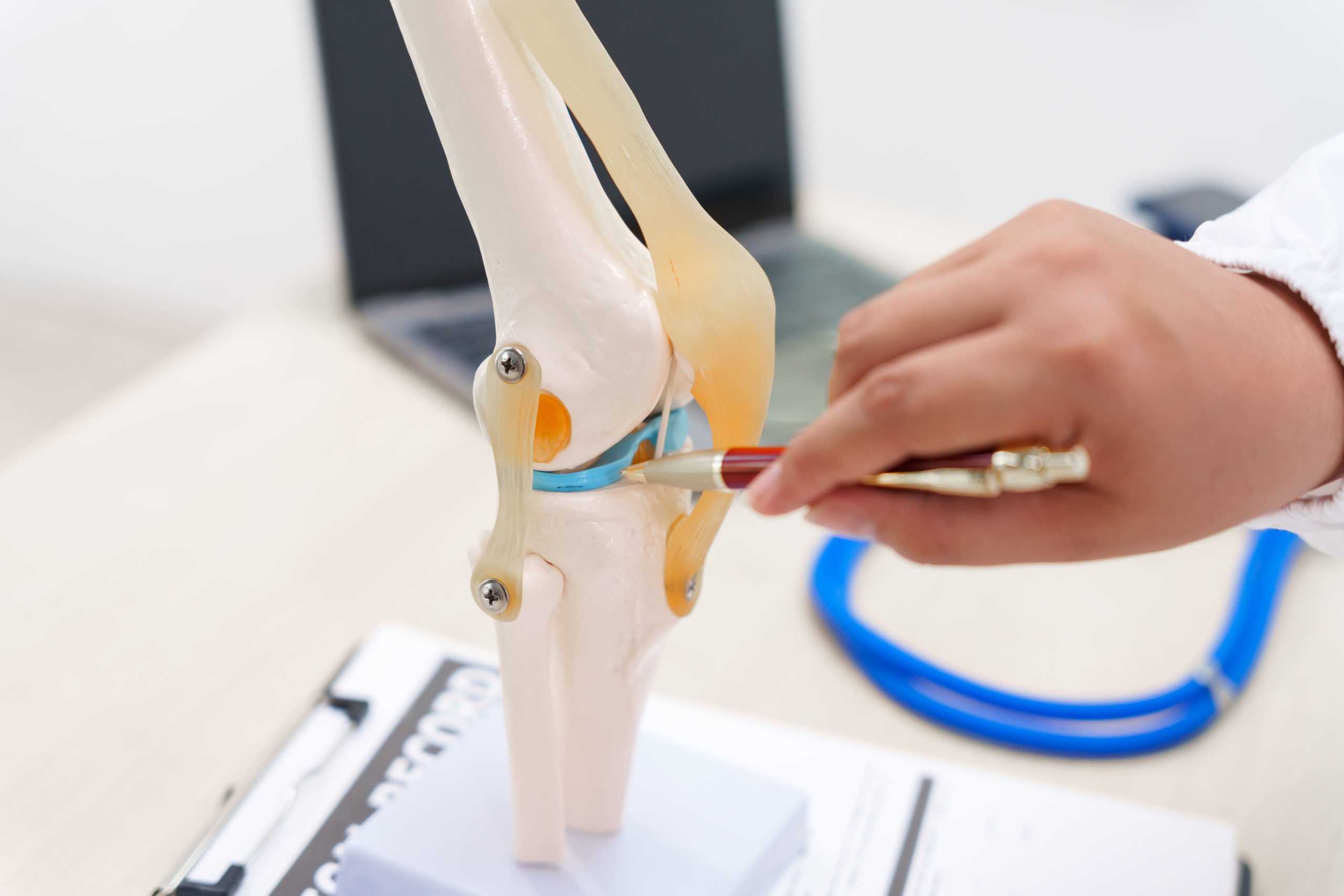
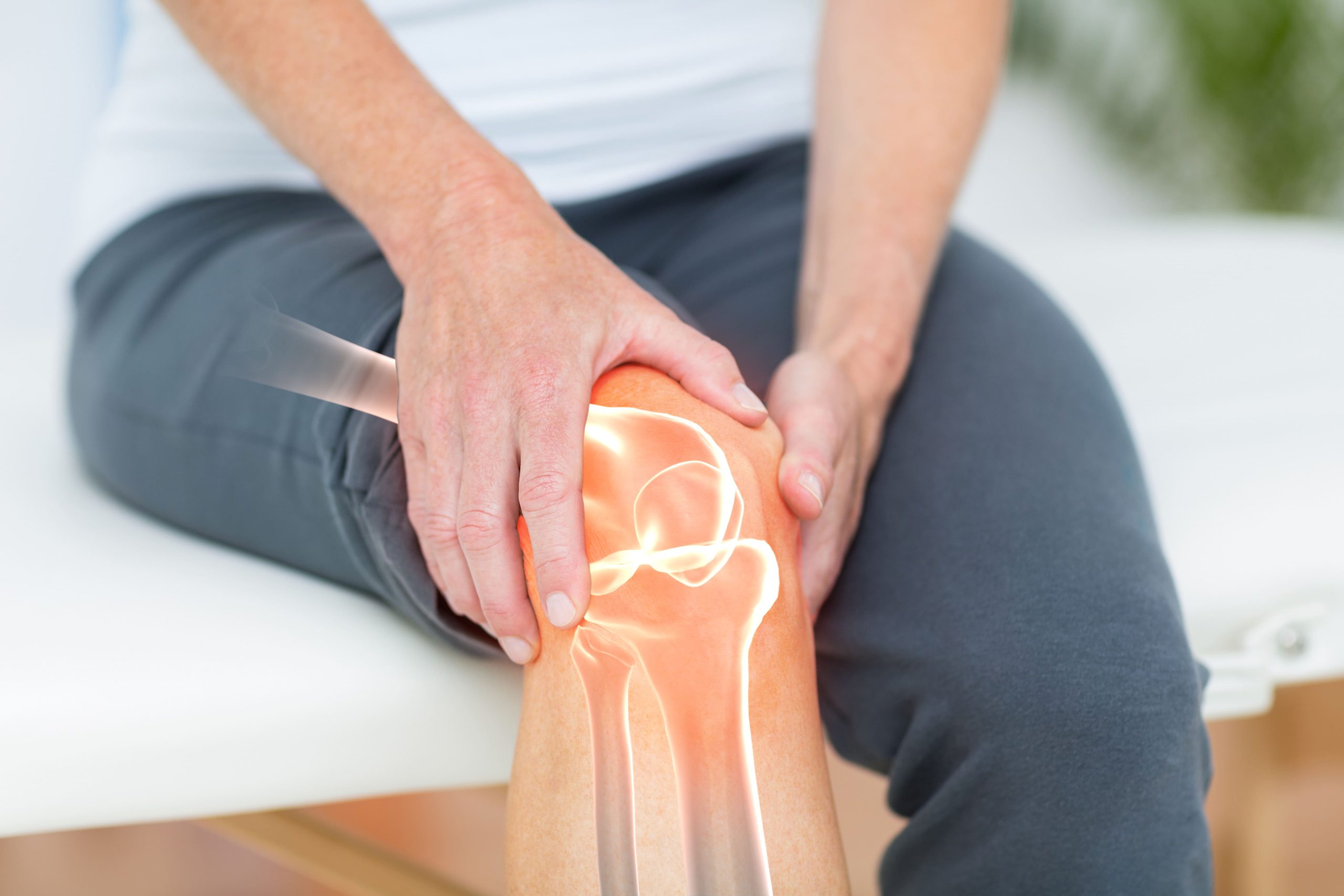
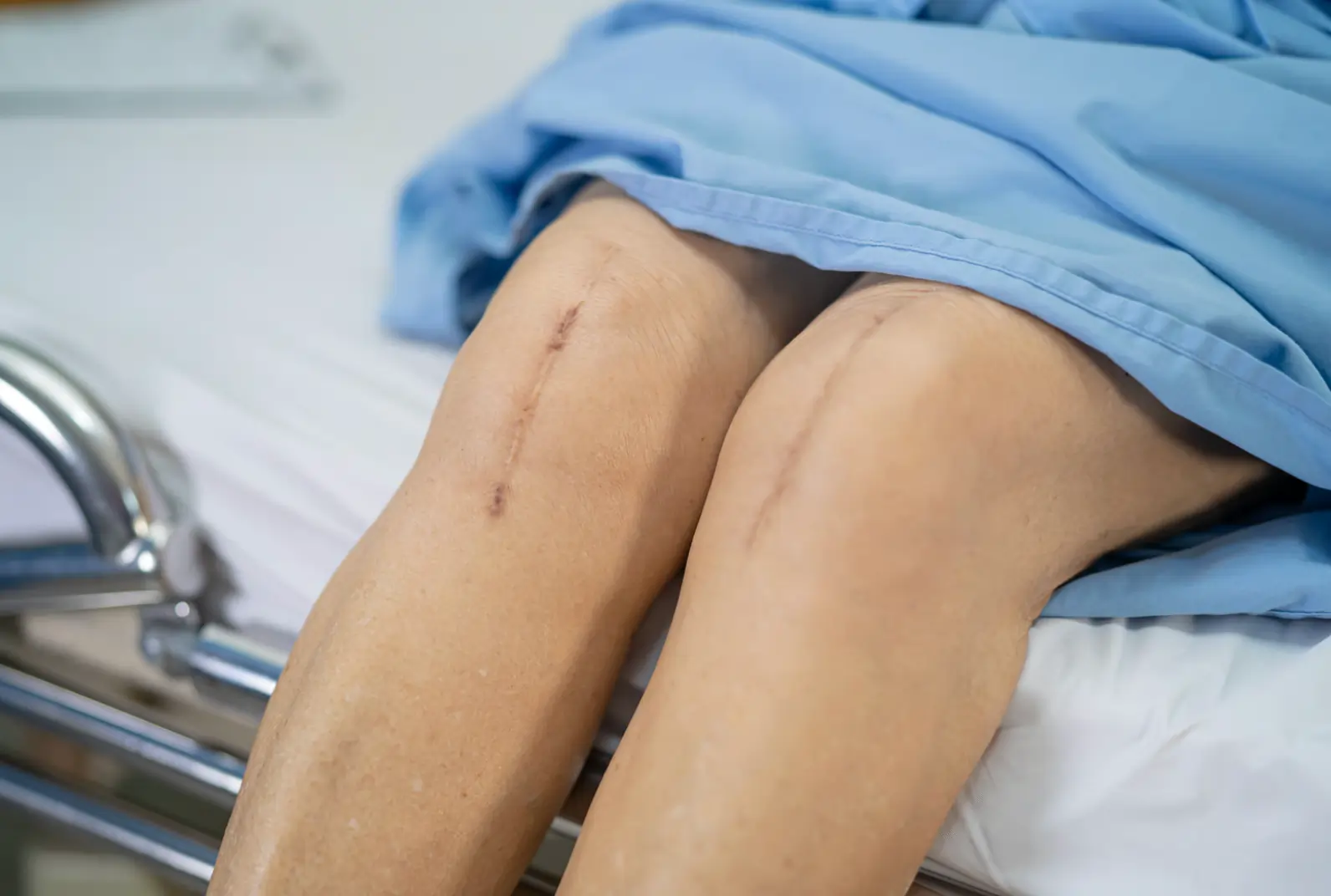
IBD-related arthritis commonly affects large joints such as the knees, leading to pain and reduced mobility. When symptoms persist despite medical management, targeted evaluation for knee pain treatment in Singapore may help improve joint function and overall quality of life.
Managing Daily Life With Both Conditions
Living with IBD and arthritis requires adjustments to support both your digestive and joint health:
Gentle exercise: Like swimming or walking can reduce joint stiffness without triggering digestive symptoms, though timing around meals matters.
Stress management: Techniques such as mindfulness or yoga can help manage both conditions, as stress often worsens inflammation.
Sleep positioning: With supportive pillows can reduce morning joint stiffness, whilst sleeping on your left side may help with digestive comfort.
Dietary considerations: Foods that reduce inflammation may benefit your joints whilst supporting your digestive health.
When to Seek Specialist Care
Recognising when your symptoms need professional attention helps prevent long-term joint damage:
Persistent joint pain: Lasting more than six weeks, especially if it’s affecting your daily activities or sleep quality.
New back pain: With morning stiffness that improves throughout the day, particularly if you’re under 45 years old.
Joint swelling: That doesn’t respond to rest and over-the-counter pain relief within a few days.
Symptoms affecting multiple joints: Or those that seem to follow patterns with your IBD flares.
Conclusion
Inflammatory bowel disease can affect your whole body, not just your digestive system. Effectively managing your underlying IBD is key to controlling these associated conditions, which can help prevent complications and improve your overall quality of life.
Consult an orthopaedic surgeon if you experience joint pain alongside your IBD symptoms, to address these specific concerns.