Meniscus tear healing can take anywhere from four weeks to several months. Recovery time depends largely on where the tear is located, how severe it is, and which treatment approach is used. This guide walks through what affects healing speed and what recovery typically looks like.
Meniscus Tear Types and Their Healing Patterns
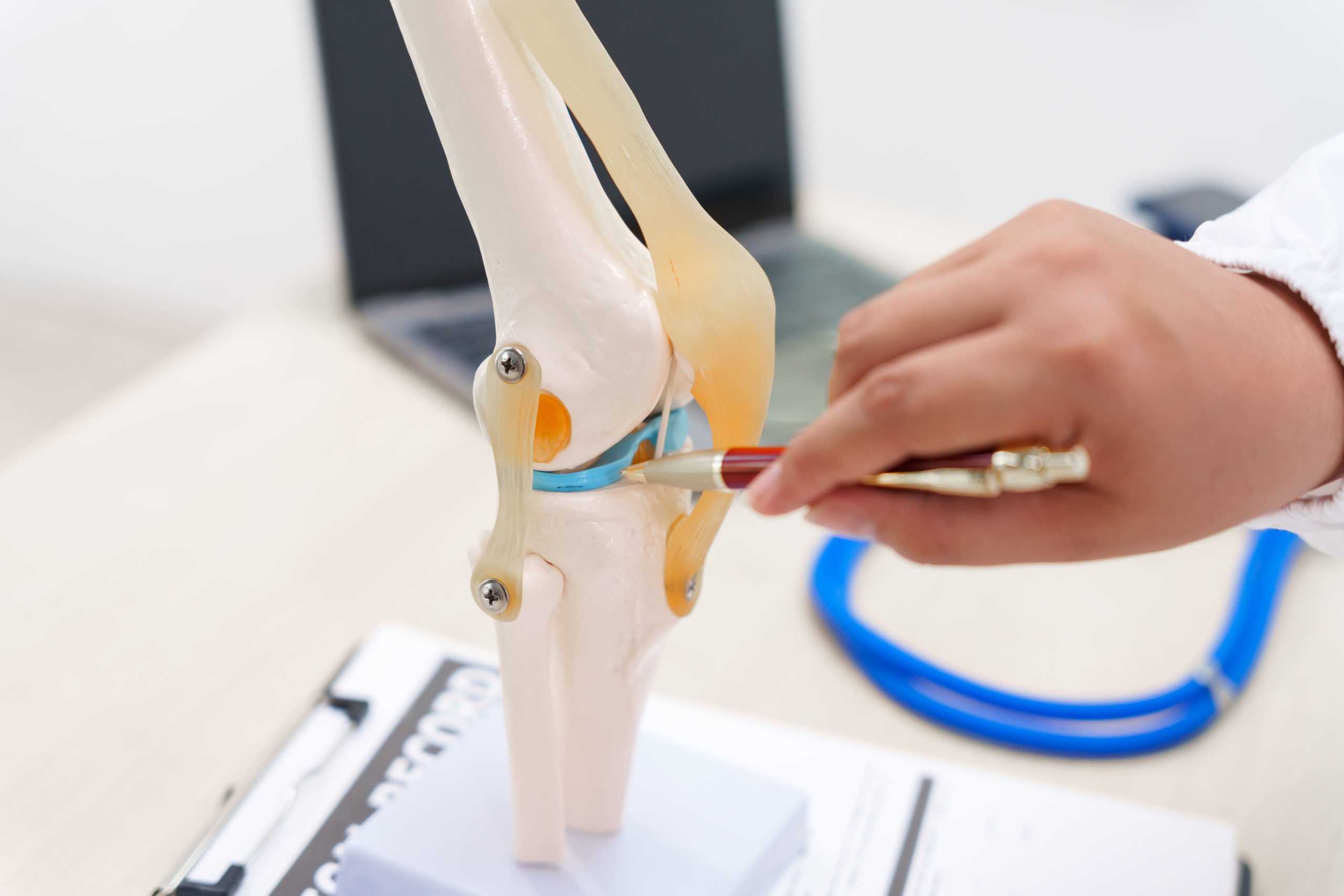
The meniscus is a C-shaped cartilage cushion between the thighbone and shinbone. Its inner regions have limited blood supply, which is the main reason some tears heal on their own while others need surgical repair.
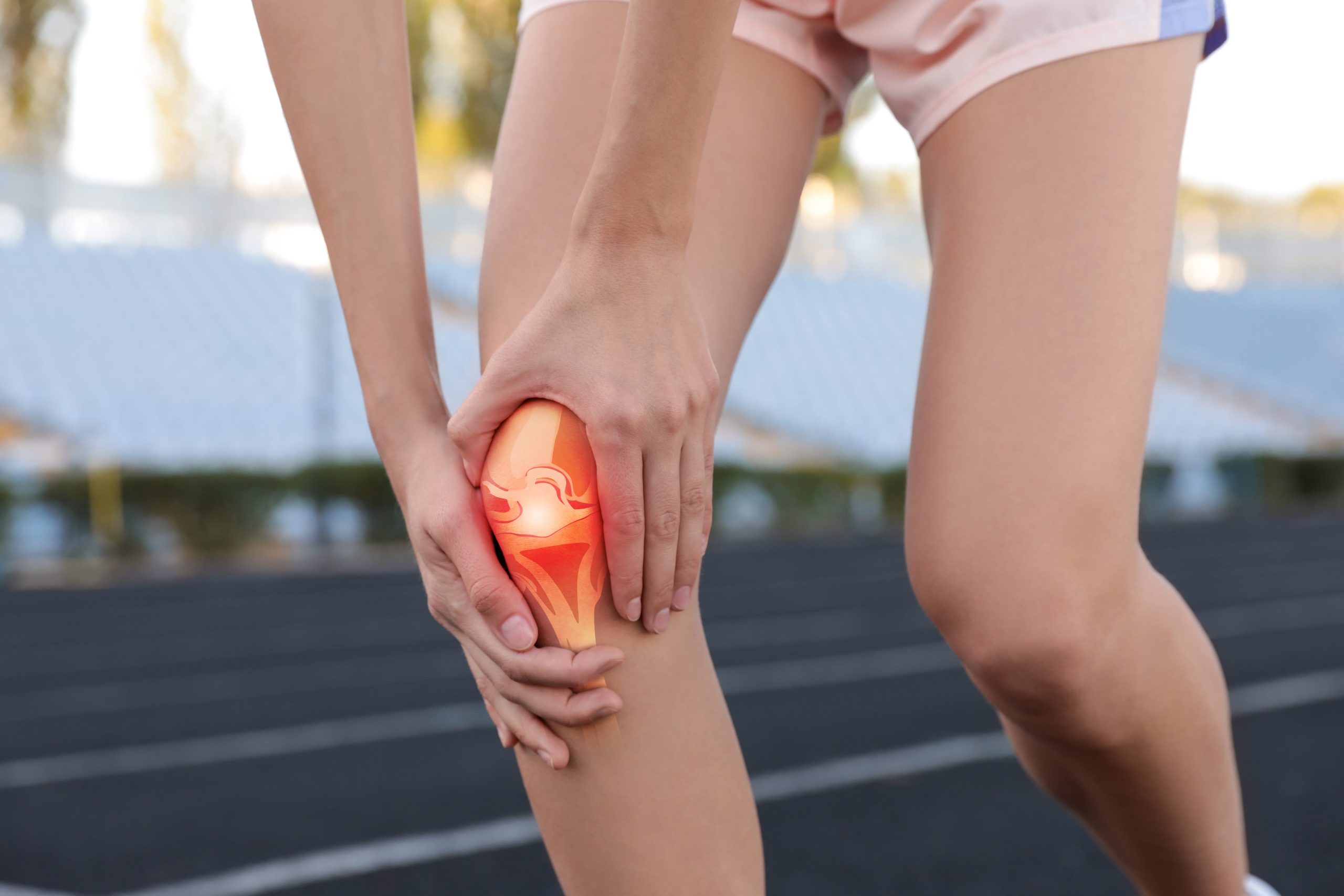
Your knee contains two menisci that absorb shock, distribute weight, and stabilise joint movement. When torn, these structures lose some of their ability to protect the underlying bone surfaces, leading to pain, swelling, and mechanical symptoms like catching or locking.
Not all meniscus tears behave the same way. The tear’s shape and location determine how well it can heal and whether surgery is needed.
- Radial tears: Extend from the inner edge outward, disrupting the meniscus’s ability to distribute load.
- Horizontal tears: Split the meniscus into upper and lower segments.
- Bucket handle tears: Involve a large flap that can flip into the joint space, causing sudden locking.
- Degenerative tears: Typically occur in older adults through gradual wear rather than acute injury, often with frayed edges that heal less predictably than traumatic tears in younger patients.
- Complex tears: Combine multiple patterns and present the greatest treatment challenges, sometimes requiring tailored surgical approaches within a single tear.
Conservative Treatment Timeline
Non-surgical management can work well for small, stable tears located in the outer meniscal zone. Many patients notice pain reduction within the first two weeks as acute swelling subsides.
- Weeks 1 to 2: Rest, ice, compression, and elevation to reduce inflammation.
- Weeks 2 to 3: Physical therapy typically begins, focusing on range of motion and preventing muscle wasting in the quadriceps and hamstrings.
- Weeks 4 to 6: Return to light activities for minor tears responding well to conservative care.
- Weeks 8 to 12: Full recovery allowing sports participation, guided by symptoms rather than a fixed calendar.
Did You Know?
The meniscus receives much of its nutrition through joint fluid rather than blood vessels. Controlled movement and weight-bearing may help support this process, which is one reason gradual activity is often favoured over complete immobilisation.
Surgical Repair Recovery
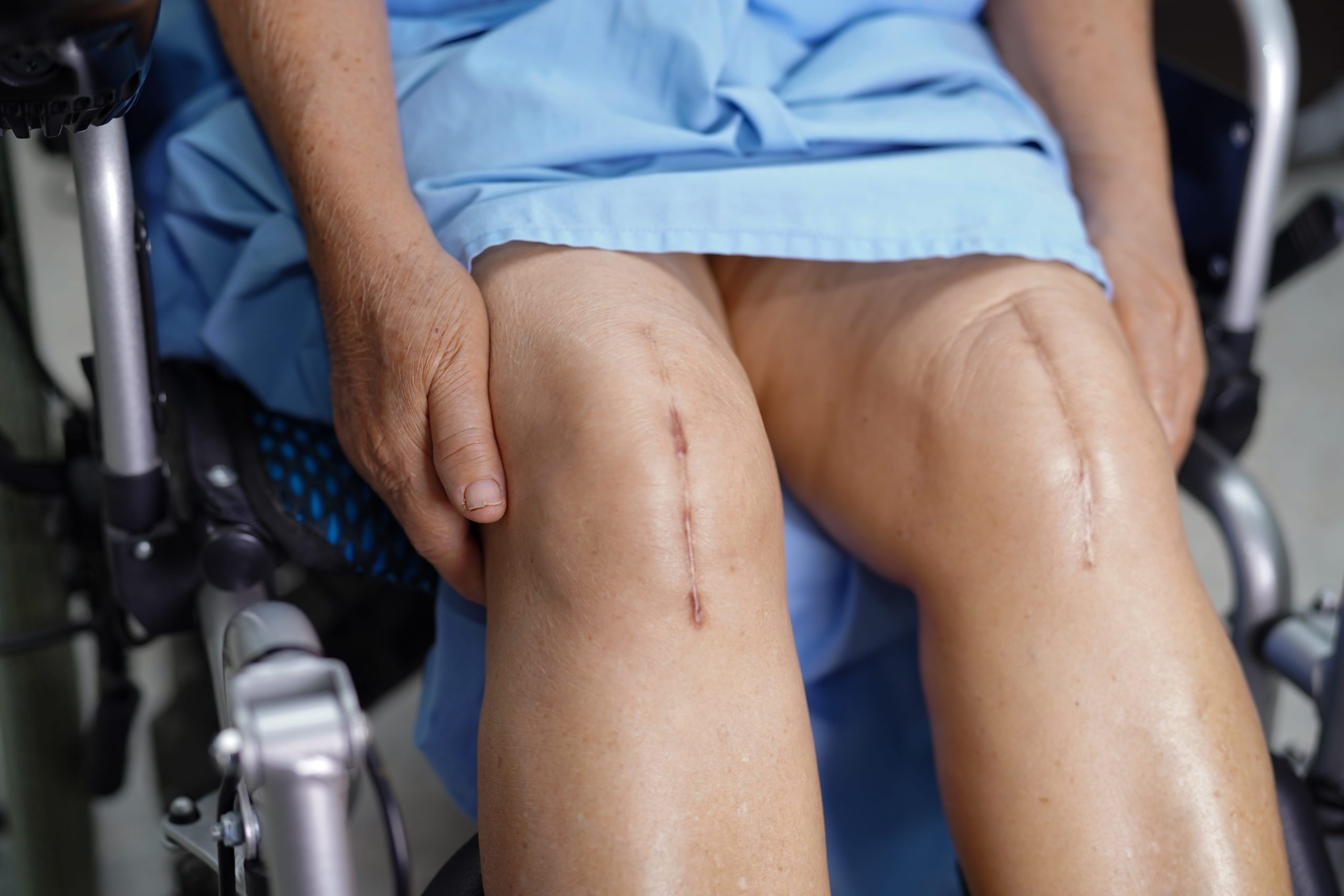
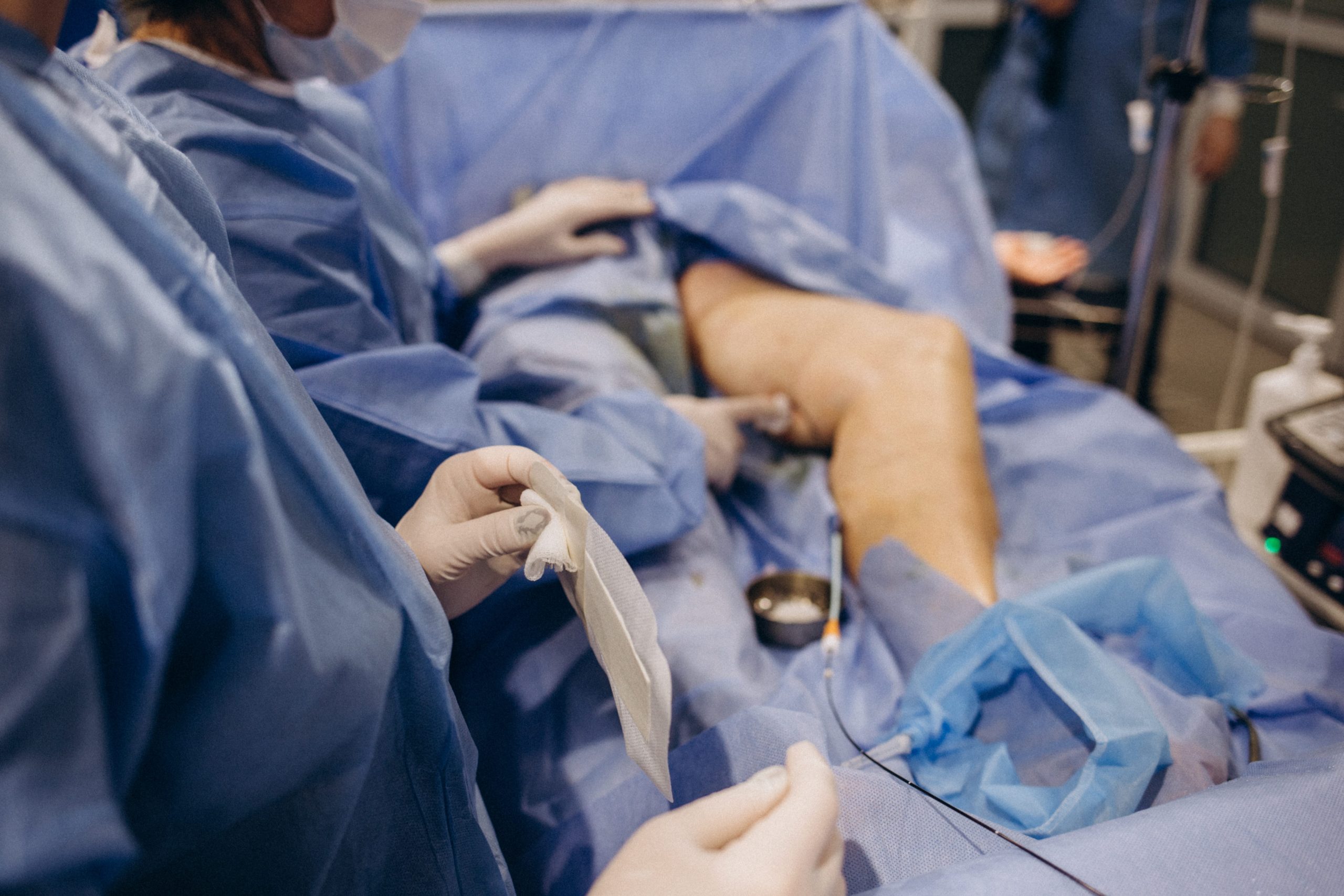
Meniscus repair surgery stitches torn tissue back together to preserve the meniscus rather than remove it. This approach maintains the knee’s natural shock absorption but generally takes longer to recover from than tissue removal.
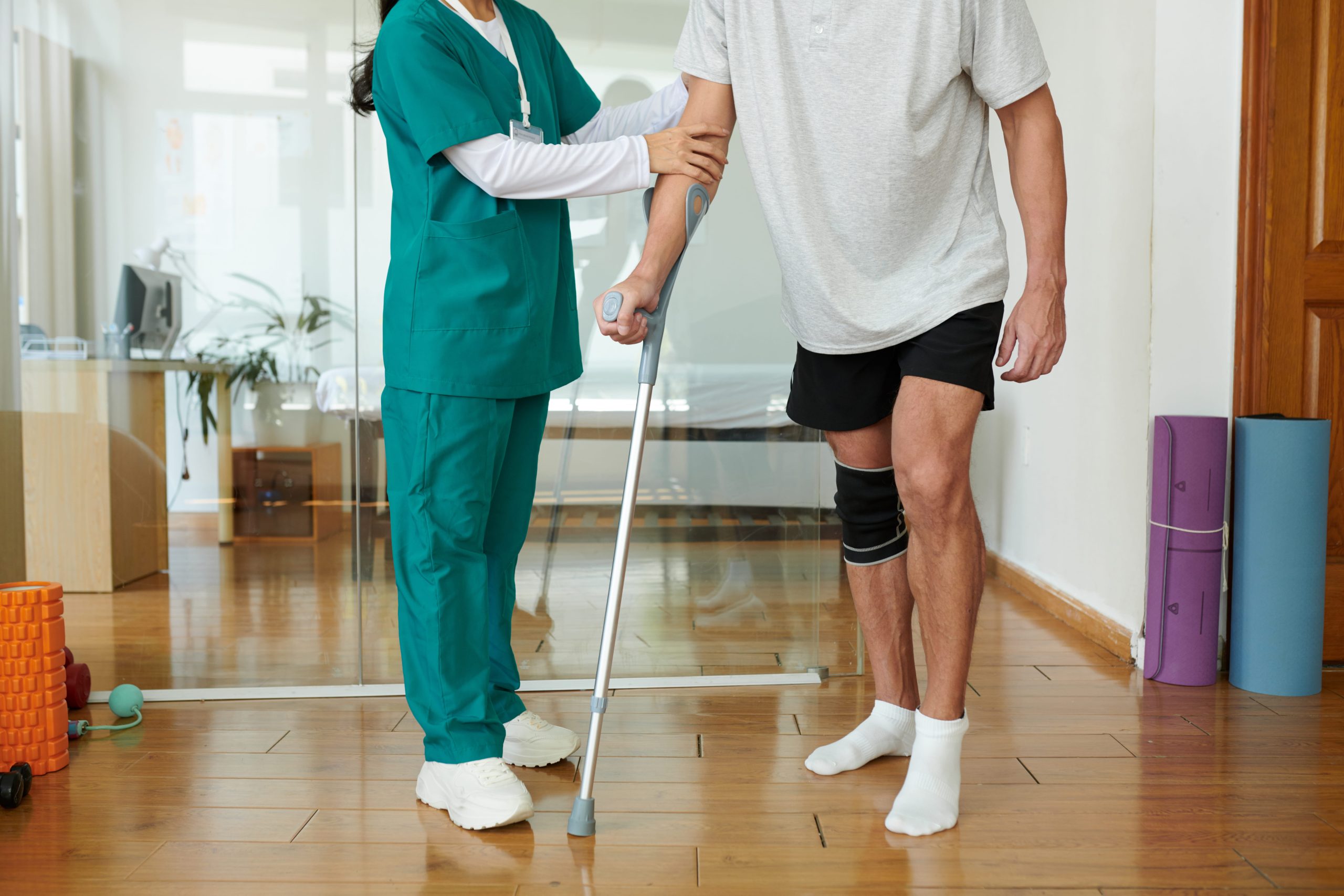
- Weeks 1 to 6: Protected weight-bearing, often with crutches and a brace limiting knee flexion, alongside gentle range of motion exercises.
- Weeks 6 to 12: Progressive weight-bearing and increased strengthening; many patients walk without assistance by around week eight.
- Months 4 to 6: Running and cutting activities may resume, depending on individual progress.
- Months 6 to 9: Full sports clearance is commonly reached, though a 2021 review of return-to-play studies found timelines ranging from about 3 to 10 months across patients (source linked below).
Partial Meniscectomy Recovery
Partial meniscectomy removes only the damaged portion of the meniscus that cannot heal. Recovery is generally shorter than repair because no tissue needs time to knit back together.
- Days after surgery: Many patients bear full weight quickly.
- 1 to 2 weeks: Return to desk-based work is common.
- 4 to 6 weeks: Physical jobs involving squatting, kneeling, or heavy lifting may need this long before full duties resume.
- 6 to 8 weeks: Athletic activities may resume depending on sport demands and individual healing.
Long-term, less meniscal tissue remaining may be associated with a somewhat increased risk of knee arthritis over time. Maintaining strong supporting muscles and modifying activity levels can help protect the joint. Many meniscectomies and repairs are performed using knee arthroscopy, a minimally invasive technique.
Factors That Influence Healing Speed
- Age and tissue quality: Younger patients tend to have better blood supply to the meniscus. After age forty, meniscal tissue may become less resilient.
- Tear location: The outer third of the meniscus (red zone) is well vascularised; the middle third (red-white zone) has limited blood supply; the inner third (white zone) has little to no blood supply and relies mainly on synovial fluid for nutrition (source: StatPearls, NCBI).
- Concurrent injuries: ACL tears commonly occur alongside meniscus damage, and rehabilitation must account for healing of multiple structures at once.
- Adherence to rehabilitation: Patients who follow physical therapy protocols consistently tend to report better function.
- Body weight: Managing weight may help reduce strain on healing tissue.
What Our Orthopaedic Specialist Says
Patients often want a specific date when they’ll be ‘back to normal,’ but meniscus healing doesn’t follow a fixed schedule. I guide patients through milestone-based recovery, progressing when the knee shows readiness rather than simply counting weeks. This approach may help prevent setbacks while avoiding unnecessary delays in returning to activity.
Optimising Your Recovery
- Follow weight-bearing restrictions precisely. Putting weight on a repaired meniscus too early may disrupt healing tissue.
- Complete your full physical therapy programme. Stopping once pain resolves can leave strength and stability deficits unaddressed.
- Manage swelling actively. Ice, elevation, and compression help control inflammation; persistent swelling may signal the knee needs more time before advancing activities.
- Progress activities gradually. Moving from walking to running without intermediate steps places excess stress on the knee.
- Address muscle imbalances. Quadriceps strengthening may help protect the healing meniscus and reduce re-injury risk.
When to Seek Professional Help
- Knee locking or inability to fully straighten the leg
- Giving way or instability during walking
- Swelling that persists beyond two weeks after injury
- Pain that worsens despite rest and conservative measures
- Catching sensations with knee movement
- Inability to bear weight on the affected leg
- Recurring symptoms after previous meniscus treatment
Commonly Asked Questions
Can a meniscus tear heal on its own without surgery?
Tears in the outer vascular zone may heal with conservative treatment over weeks to months. Inner zone tears lack the blood supply needed for natural healing and often require surgical evaluation if symptoms persist.
Why does meniscus repair take longer to recover from than meniscectomy?
Repair surgery stitches torn tissue together, requiring protected healing time for the edges to fuse. Meniscectomy removes damaged tissue, so recovery mainly involves the surgical site rather than tissue regrowth.
What activities should I avoid during meniscus healing?
Deep squatting, kneeling, twisting movements, and impact activities can stress the meniscus and are generally avoided until your treating physician clears you. Specific restrictions vary based on tear type and treatment.
How do I know if my meniscus tear is getting worse?
Increasing pain, new mechanical symptoms like catching or locking, worsening swelling, or decreased range of motion may suggest the tear is progressing. These changes warrant reassessment by an orthopaedic specialist.
Will my knee return to normal after meniscus treatment?
Many patients report good functional outcomes, though results depend on tear severity and treatment type. Consistent rehabilitation may help support recovery.
Next Steps
Recovery timelines vary widely: some minor tears treated conservatively resolve in weeks, while complex surgical repairs in athletes can take several months. Tear location remains one of the most important factors in determining whether conservative management or surgery is appropriate.
If you are experiencing knee pain, swelling, catching, or locking, consult an accredited orthopaedic specialist for an evaluation and discussion of your treatment options.