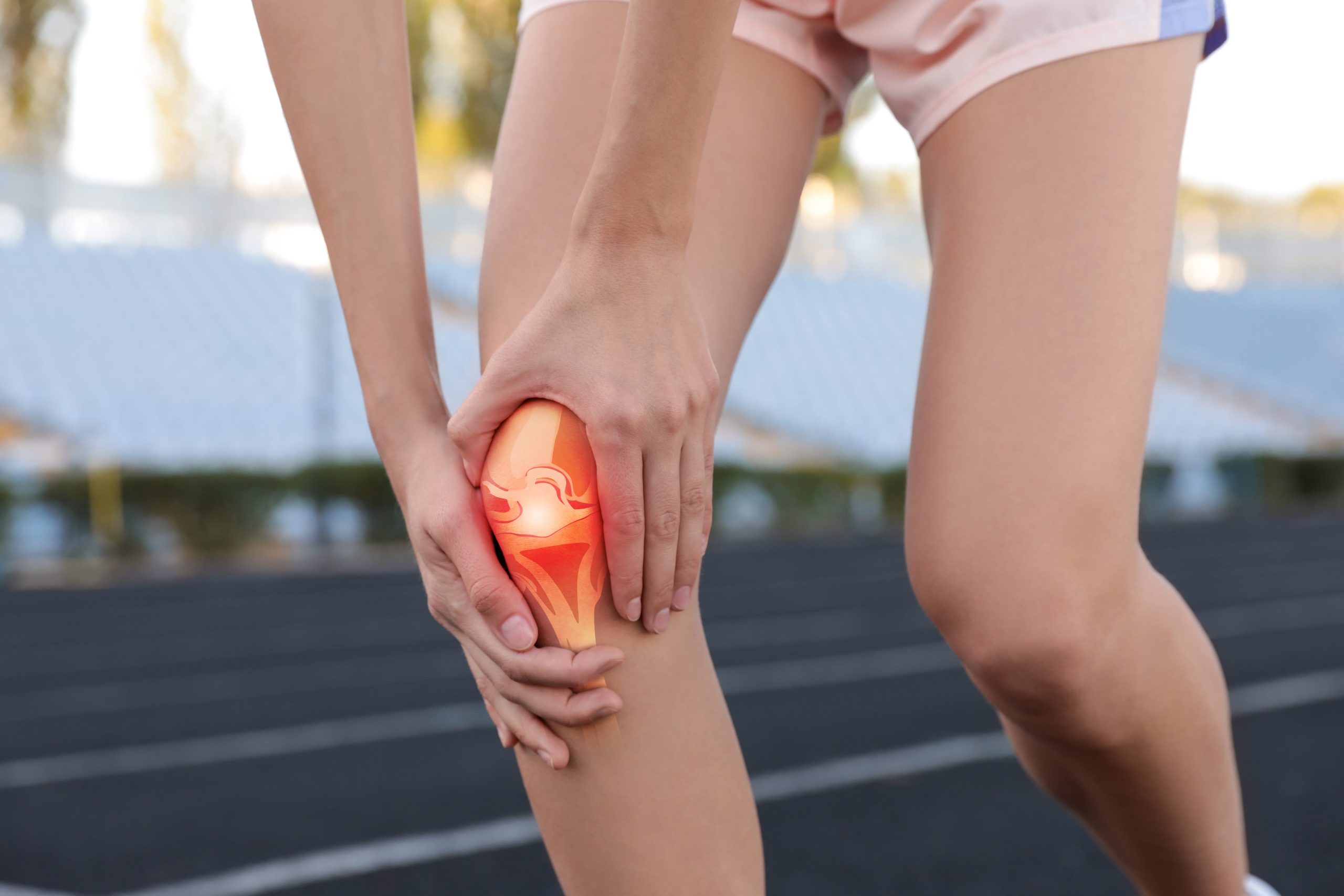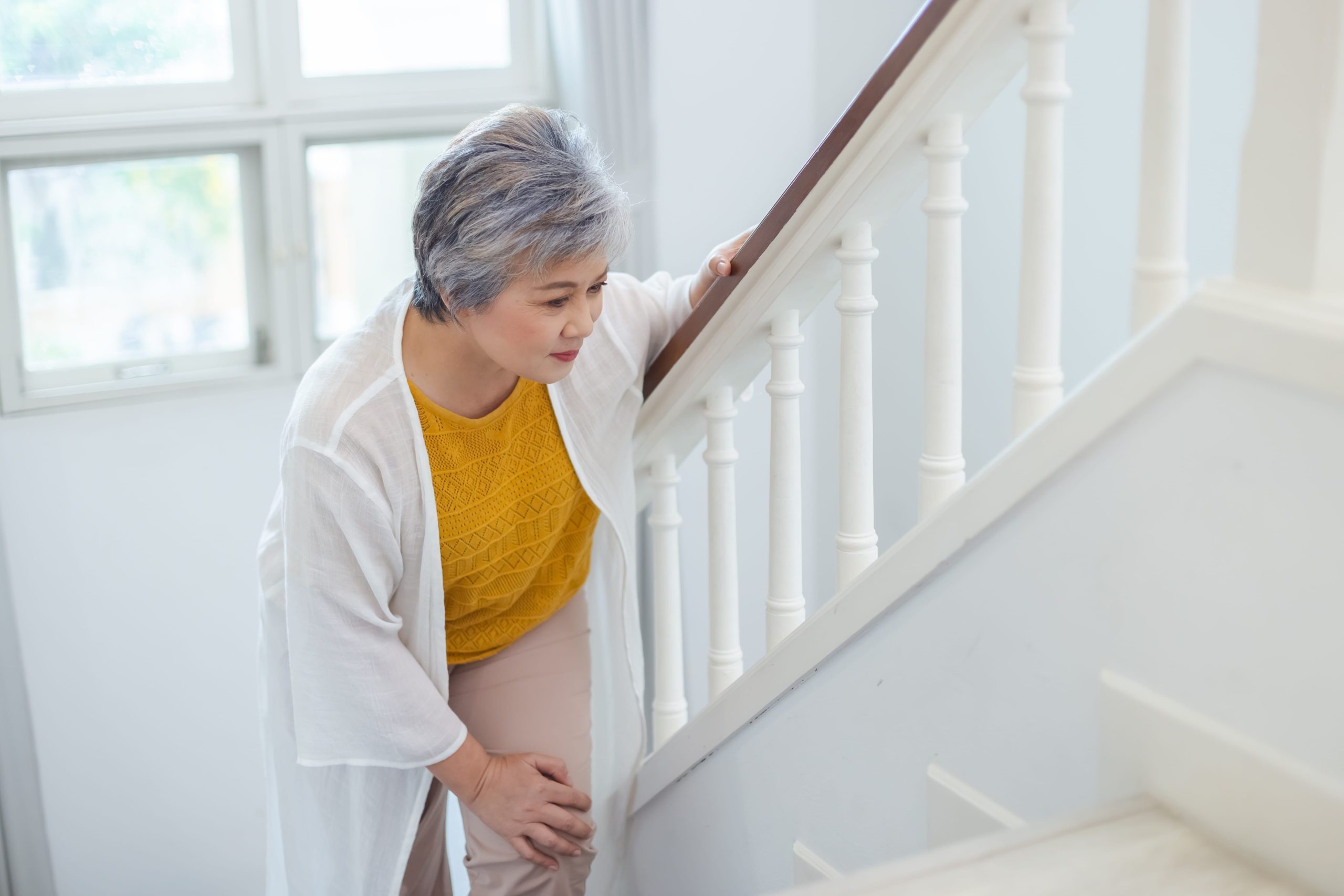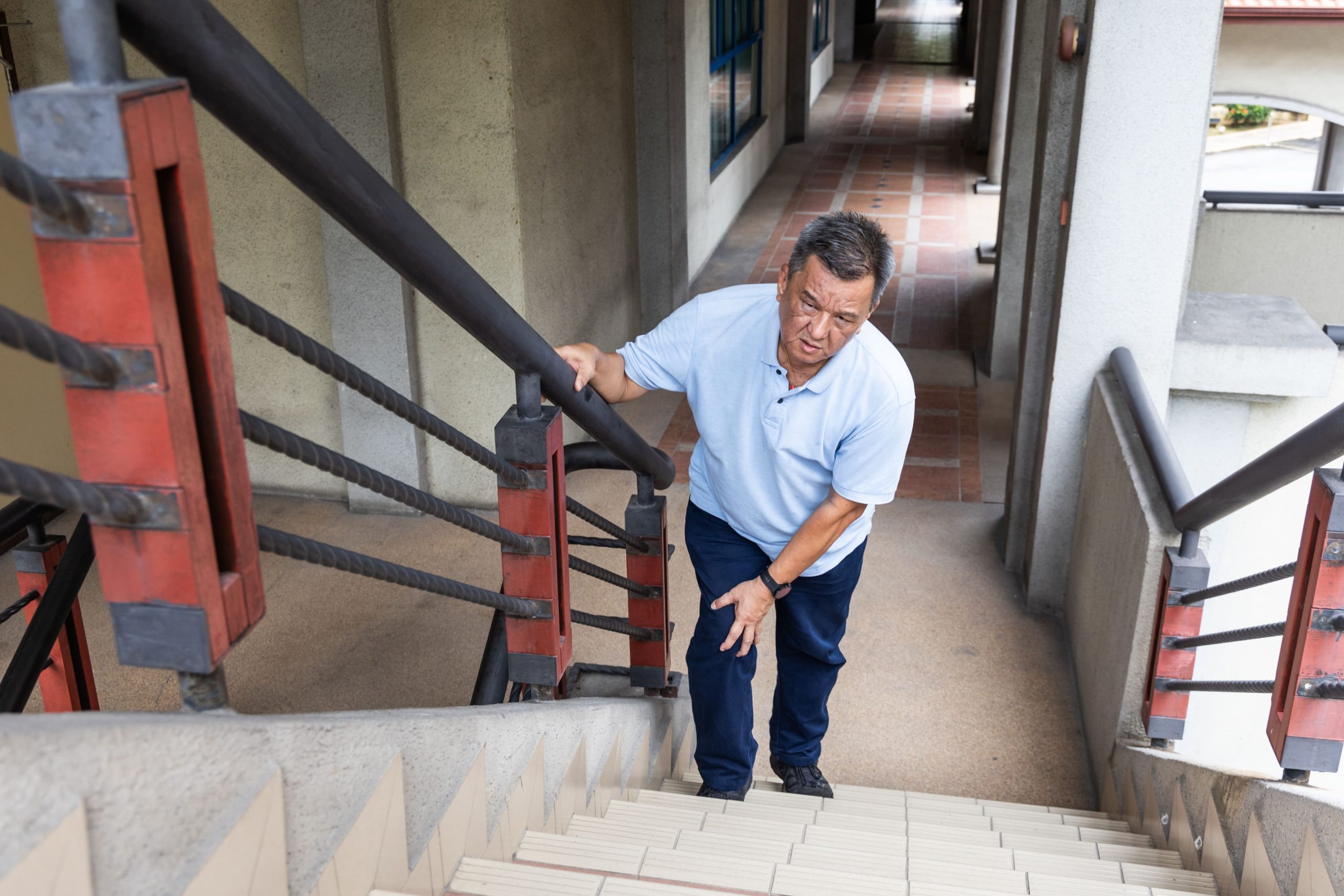
Stair climbing may place forces estimated at three to four times body weight through the patellofemoral joint, notably greater than those recorded during level walking — making stairs a common trigger for knee pain before other activities become problematic. The patellofemoral joint, where the kneecap meets the thigh bone, bears a substantial portion of this stress during the bending and straightening motion required for each step.
The specific pattern of discomfort, whether it occurs on going up, on coming down, or in both directions, may provide useful diagnostic information about which structures are involved.
Anatomy of Stair Climbing
The knee functions as a modified hinge joint, but stair climbing demands more complex movement than simple bending and straightening. As you ascend, the quadriceps muscles contract forcefully to extend the knee against gravity while the patella (kneecap) tracks through a groove in the femur called the trochlea.
During descent, your quadriceps work eccentrically, lengthening while under tension, to control your body weight. This eccentric loading pattern generates higher forces than ascending and explains why many people experience more pain going downstairs than up.
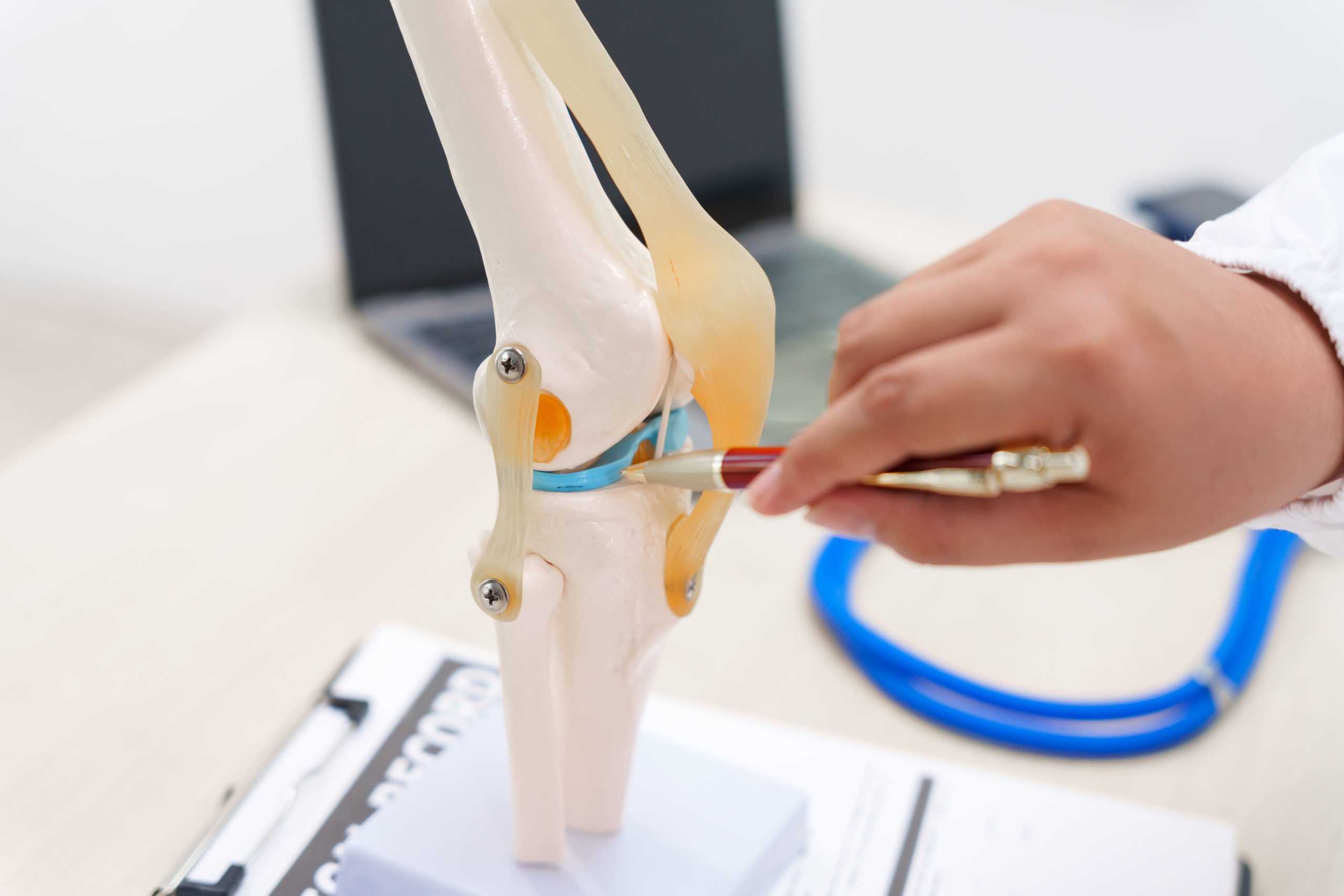
The menisci, two C-shaped cartilage pads, distribute weight across the joint surface. When you climb, these structures compress and shift to accommodate the changing angles. Any tears or degeneration in the menisci alter this weight distribution, concentrating stress on smaller areas of cartilage.
The anterior cruciate ligament (ACL) and posterior cruciate ligament (PCL) provide front-to-back stability, while the collateral ligaments prevent sideways movement. Stair climbing challenges all these structures simultaneously, making it a sensitive test for knee joint integrity.
Common Causes of Knee Pain When Climbing Stairs
Patellofemoral Pain Syndrome
Patellofemoral pain syndrome may produce diffuse discomfort around and behind the kneecap. The pain typically worsens with prolonged sitting, squatting, and stair use. Research indicates the condition is multifactorial, with contributing factors that may include abnormal patellar tracking, uneven pressure on the underlying cartilage, quadriceps weakness, tight hamstrings or iliotibial band, and foot mechanics that rotate the leg inward. Runners and individuals who rapidly increase their activity levels are among those who may develop this condition.
Osteoarthritis
Cartilage degeneration in the knee joint may cause pain that builds gradually over months to years. Morning stiffness lasting less than 30 minutes, crepitus (grinding sensations), and activity-related pain that improves with rest are features commonly associated with osteoarthritic knees.
The medial (inner) compartment typically shows wear first, but patellofemoral arthritis may specifically affect stair-climbing ability. X-rays showing bone spurs and narrowed joint spaces can support the diagnosis, though symptoms do not always correlate with imaging findings.
Meniscal Tears
Acute meniscal tears typically follow a twisting injury and may cause immediate pain and swelling. Degenerative tears can develop gradually without specific trauma, particularly in people over 40. Both types may produce mechanical symptoms, such as catching, locking, or giving way, alongside stair-related pain.
The meniscus has three distinct zones based on vascular supply. The outer third is well-vascularised and retains stronger healing potential; the middle third has limited blood supply; and the inner third is avascular. This zonal difference influences whether a tear may respond to conservative management or may require surgical intervention, depending on its location and pattern.
Chondromalacia Patella
Softening and deterioration of the cartilage on the underside of the kneecap define chondromalacia. Graded from I to IV based on severity, this condition may cause pain during activities that compress the patellofemoral joint, including climbing, squatting, and kneeling.
Younger, active individuals may develop chondromalacia more frequently than older adults. The condition sometimes improves with appropriate rehabilitation, which may help distinguish it from progressive osteoarthritis.
Patellar Tendinopathy
The patellar tendon connects the kneecap to the shinbone and transmits quadriceps force during stair climbing. Overuse may cause microscopic damage that accumulates faster than the body can repair, producing pain at the lower pole of the patella.
Many patients with patellar tendinopathy report pain at the start of activity that may improve during exercise, then return or worsen afterwards. This pattern can vary depending on the stage and severity of the condition. Athletes in jumping sports may commonly develop this condition, though recreational exercisers and workers who climb frequently may also experience it.
Diagnostic Approaches
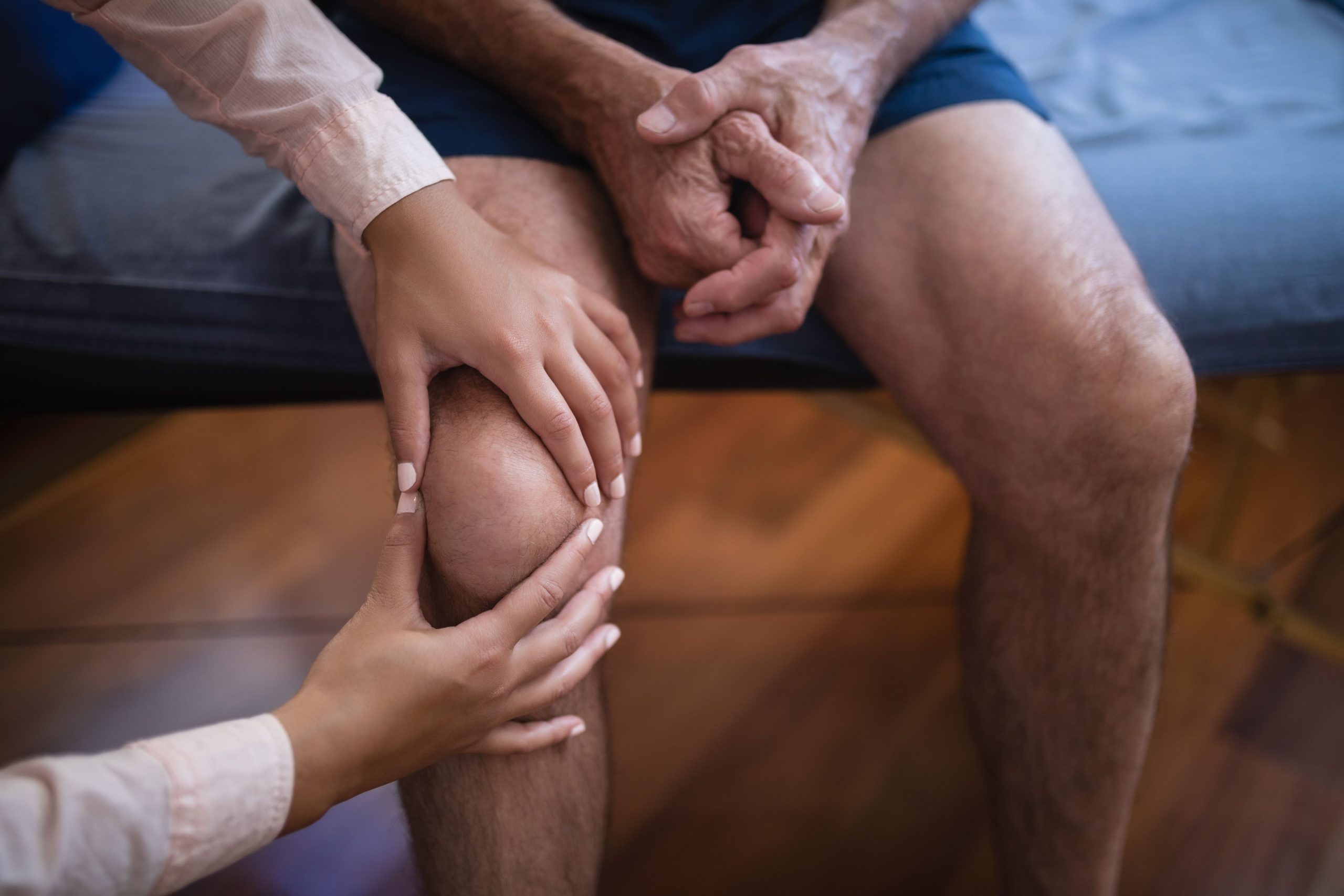
Clinical examination may reveal much about the pain source. Pressing on specific structures can reproduce localised tenderness, while movement tests assess tracking, stability, and range of motion. The single-leg squat test may recreate stair-climbing symptoms in a controlled setting.
Did You Know?
The patella increases quadriceps efficiency by acting as a pulley that extends the mechanical advantage of the extensor mechanism. During activities involving deep knee bending, the patellofemoral joint may experience contact forces reaching several times body weight, which helps explain why activities such as squatting and stair climbing can be particularly demanding on the front of the knee.
Imaging studies can help confirm clinical findings. Plain X-rays show bone alignment, joint space narrowing, and arthritic changes. MRI may provide detailed views of soft tissue structures, including cartilage, menisci, ligaments, and tendons, that X-rays cannot visualise.
Some conditions may benefit from diagnostic injections to help identify pain generators. Temporary relief following injection into a specific structure may support its role in symptom production and can help guide treatment planning.
Non-Surgical Treatment Options
Physical Therapy Protocols
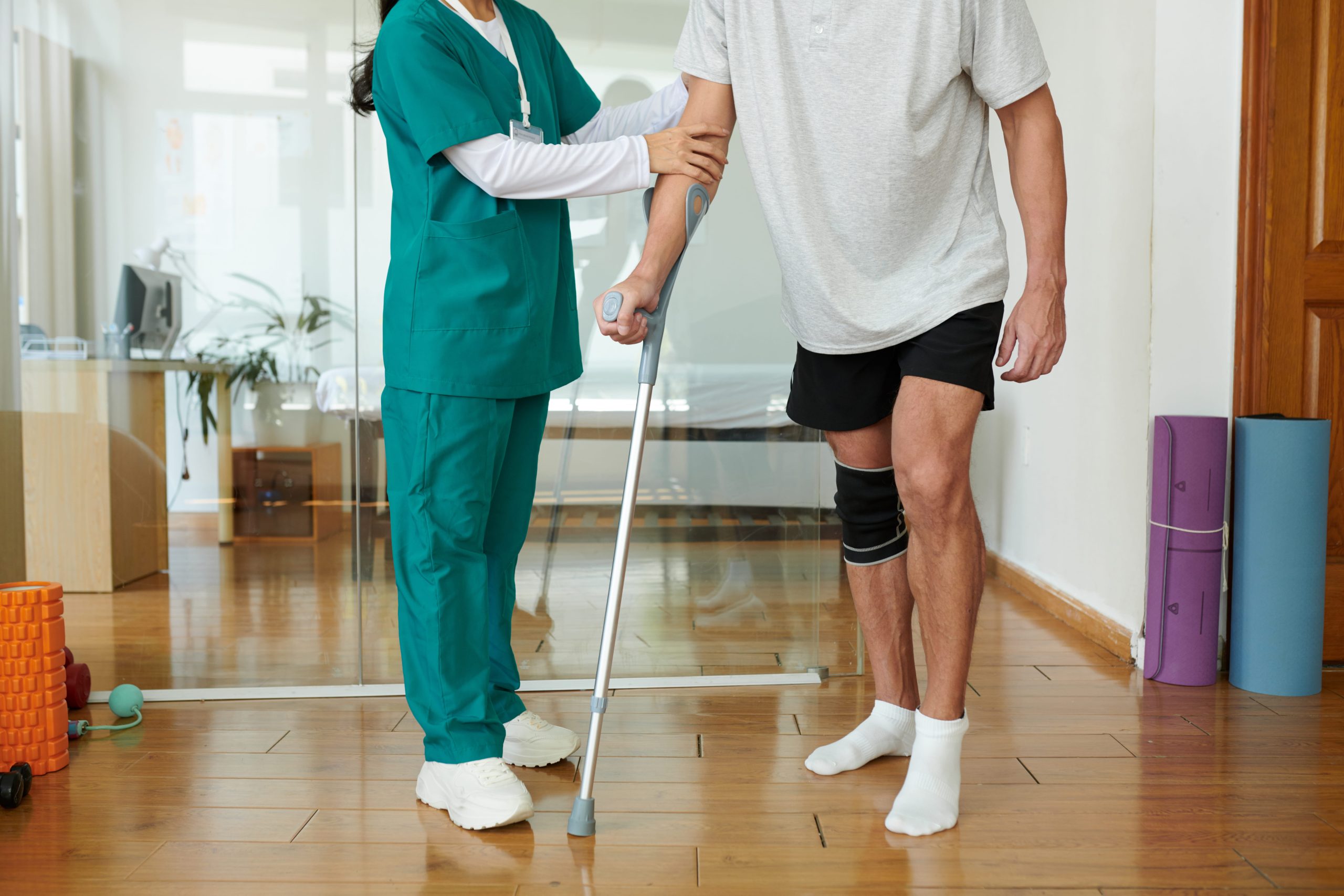
Structured rehabilitation may address the biomechanical factors contributing to knee pain when climbing stairs. Quadriceps strengthening, particularly the vastus medialis obliquus (VMO), may help improve patellar tracking. Hip abductor and external rotator exercises may assist in correcting lower limb alignment.
Stretching tight structures, including the hamstrings, quadriceps, iliotibial band, and calf muscles, may help reduce abnormal forces across the joint. A physiotherapist can design individualised programmes based on specific deficits identified during assessment.
Activity Modification Strategies
Temporary reduction in stair climbing may allow irritated tissues to settle. Using handrails can decrease knee loading, while leading with the stronger leg going up and the affected leg going down may minimise pain during necessary stair use.
Maintaining activity through low-impact alternatives, such as swimming, cycling, or elliptical training, may help preserve fitness and joint mobility without aggravating symptoms. Complete rest may prove counterproductive in some cases, as it can weaken the supporting muscles over time.
Bracing and Taping
Patellar stabilisation braces typically apply medial pressure to help correct lateral maltracking of the kneecap. These devices may work well for patellofemoral conditions and could provide sufficient relief to support return to normal activities in suitable candidates.
Therapeutic taping techniques may help offload painful structures temporarily. While tape does not change underlying anatomy, pain reduction may allow more effective exercise participation during rehabilitation.
Injection Therapies
Corticosteroid injections may help reduce inflammation in arthritic joints, with effects in many patients lasting several weeks to a few months. Repeated steroid injections carry documented risks, including potential cartilage thinning and tendon weakening, and clinicians typically recommend limiting the number of injections per year to reduce these risks.
Hyaluronic acid injections aim to supplement the joint’s natural lubricating fluid. Some patients report prolonged symptom relief, with research suggesting effects may last from two months up to six months or beyond in certain cases, though individual responses vary considerably.
Surgical Interventions
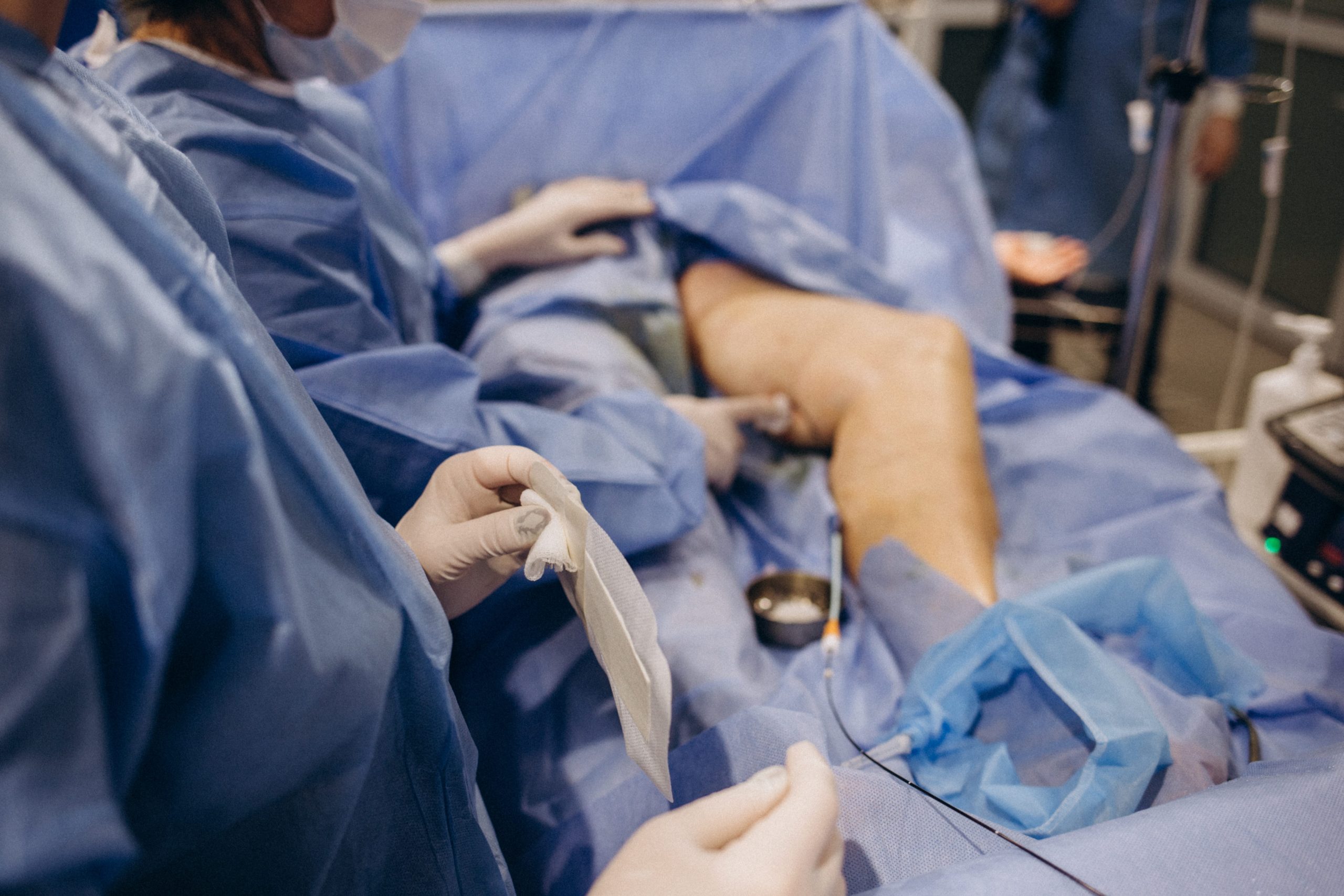
When conservative measures fail to provide adequate relief, surgical options may exist for specific conditions. Arthroscopic surgery allows direct visualisation and treatment of meniscal tears, loose cartilage fragments, and inflamed synovial tissue through small incisions.
Cartilage restoration procedures, including microfracture, osteochondral grafting, or cell-based therapies, may address focal cartilage defects in younger patients. These techniques aim to generate repair tissue that protects the underlying bone.
Realignment procedures may help correct patellar tracking problems that have not responded to rehabilitation. Tibial tubercle transfer repositions the patellar tendon attachment, while lateral release loosens tight structures that may be pulling the kneecap outward.
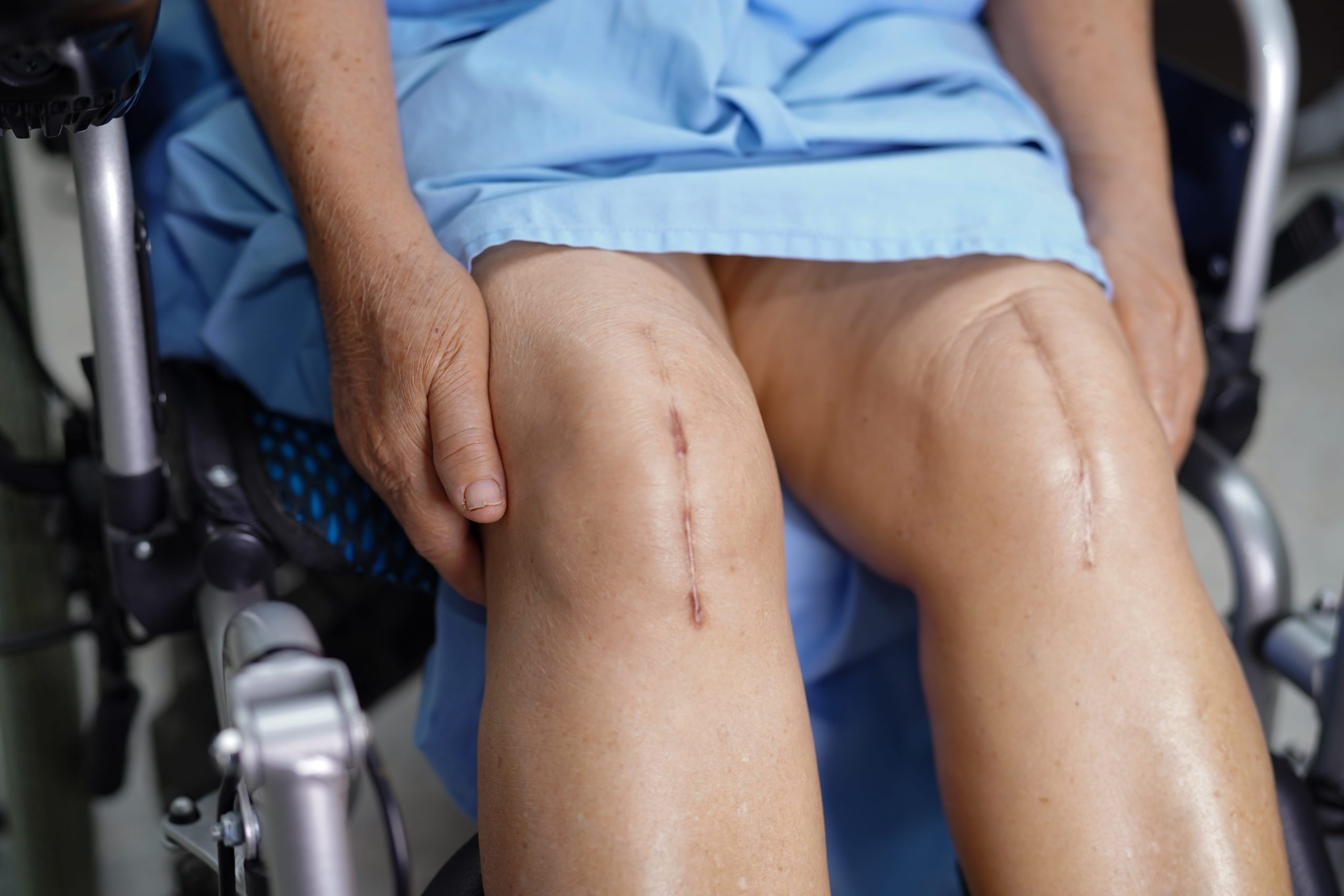
Joint replacement may become appropriate when arthritis causes severe, disabling pain that has not responded to other treatments. Partial knee replacement addresses isolated compartment disease, while total knee replacement resurfaces all three compartments.
Important Note:
Surgery for knee pain requires careful patient selection. Many conditions may respond well to non-operative treatment given adequate time and compliance. Proceeding to surgery before exhausting conservative options may produce disappointing results.
Daily Management Techniques
- Maintain appropriate body weight through balanced nutrition. Each kilogramme of body weight may translate to three to four kilogrammes of force through the knee during stair use.
- Wear supportive footwear with adequate cushioning and arch support. Avoid completely flat shoes or worn-out trainers that may alter lower limb mechanics.
- Warm up before activity with gentle range-of-motion exercises and gradual intensity increases rather than immediately tackling stairs.
- Applying ice for 15 to 20 minutes after symptomatic activities may help reduce inflammation and manage discomfort in many patients.
- Position yourself properly when sitting for prolonged periods. Avoid sustained knee flexion beyond 90 degrees, which may increase patellofemoral pressure.
When to Seek Professional Help
- Knee pain persists beyond two to three weeks despite rest and home measures
- Significant swelling develops within hours of activity or injury
- Mechanical symptoms, including locking, catching, or giving way
- Inability to fully straighten or bend the knee
- Pain severe enough to disturb sleep or limit daily activities
- Visible deformity or instability during weight-bearing
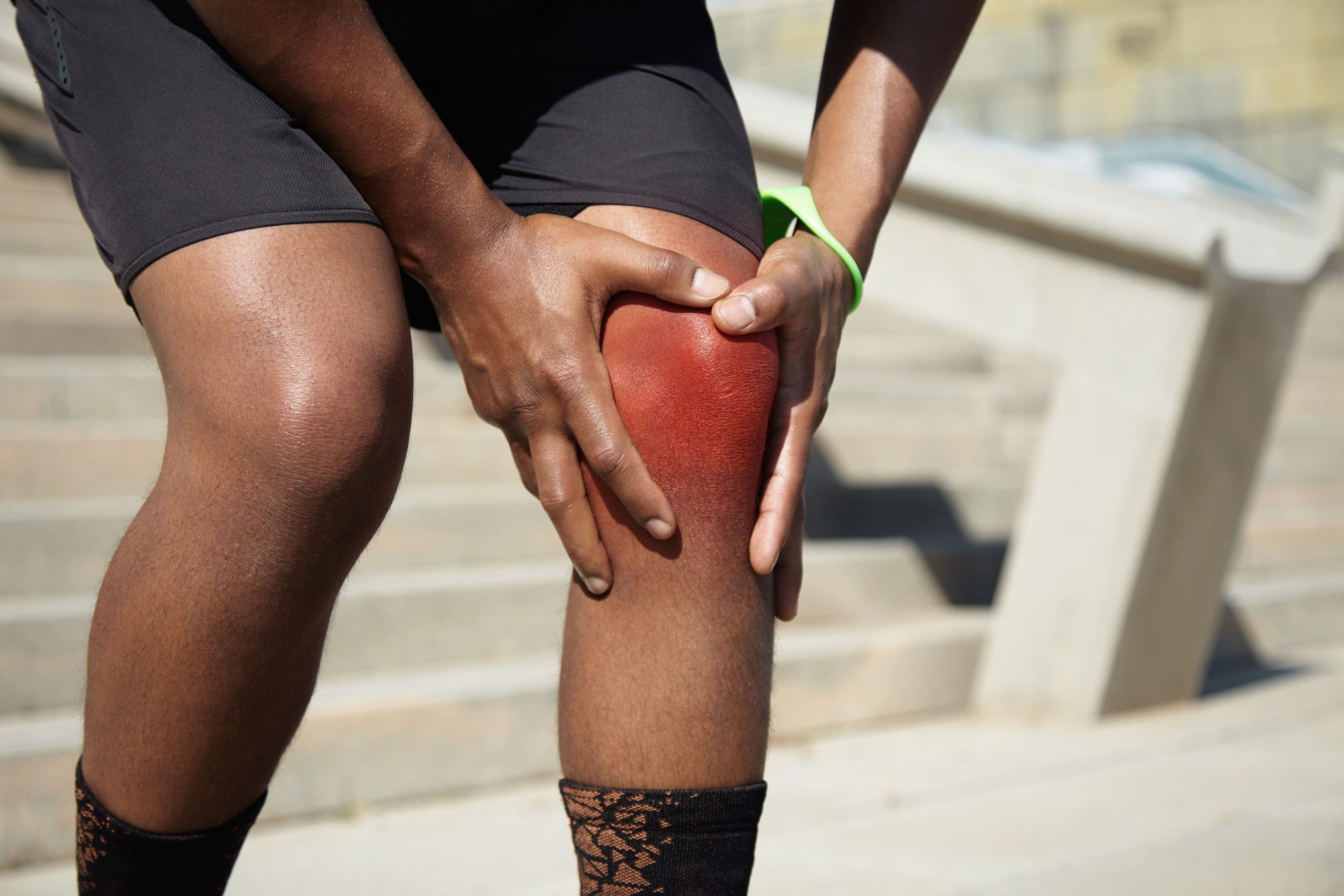
- Redness or warmth around the joint, which may suggest a possible infection
Commonly Asked Questions
Why does my knee hurt more going downstairs than upstairs?
Descending requires eccentric quadriceps contraction, which may generate higher patellofemoral forces than ascending. The controlled lowering motion also demands more from the knee’s stabilising structures. Patellofemoral conditions and early arthritis may typically produce more symptoms during descent.
Can knee pain when climbing stairs indicate serious damage?
Stair pain may appear early in various knee conditions, sometimes before other symptoms develop. While not always indicating severe damage, persistent pain warrants evaluation to help identify the cause and prevent progression. Early intervention may support better outcomes compared to delayed treatment.
How long should I try exercises before considering other treatments?
Many rehabilitation programmes may require six to twelve weeks of consistent effort to produce measurable improvement. Benefits can continue accumulating beyond this initial period. A partial response to exercises may warrant technique modification rather than abandonment of conservative treatment.
Will losing weight help my knee pain on stairs?
Weight reduction may help decrease forces through the knee joint during stair climbing. Combined with appropriate strengthening exercises, weight management may contribute to symptom improvement, particularly for osteoarthritis and patellofemoral conditions. Individual results vary.
Should I avoid stairs completely if they cause pain?
Complete avoidance may weaken muscles needed for knee stability and function. Modified stair use, such as a slower pace, handrail assistance, or fewer flights, may help maintain some loading while allowing symptoms to settle. Your healthcare provider can advise on appropriate activity levels based on your specific condition.
Next Steps
Accurate diagnosis determines which structures are affected and which treatment approach may be most appropriate. Targeted rehabilitation addressing specific biomechanical deficits, such as quadriceps weakness or patellar maltracking, may offer a more tailored alternative to generic exercises. When conservative measures prove insufficient, procedural or surgical options are available based on the underlying cause.
If you are experiencing knee pain when climbing or descending stairs, catching or locking sensations, or joint instability, consult our accredited orthopaedic surgeon for a structured evaluation and a treatment plan based on your specific diagnosis.