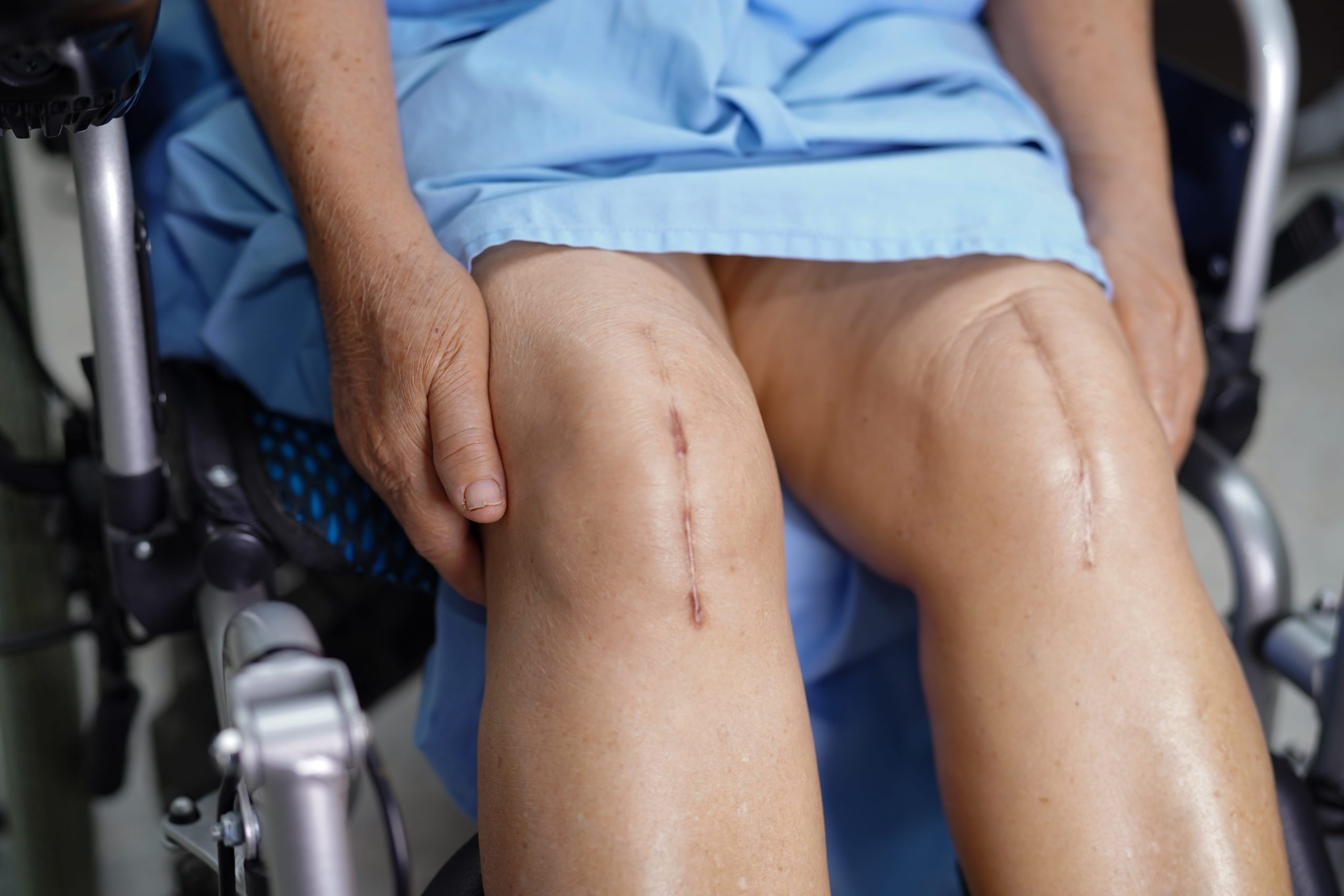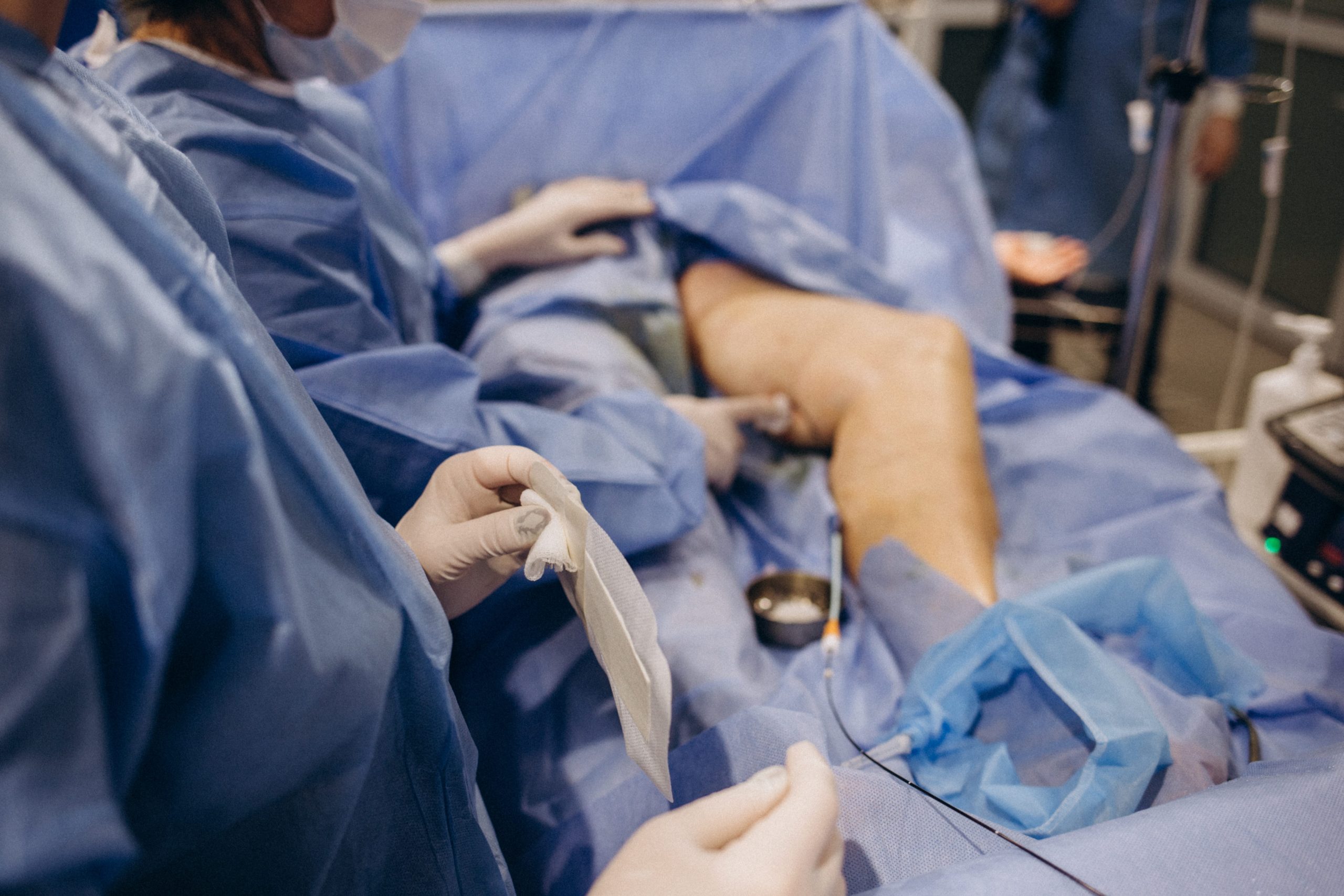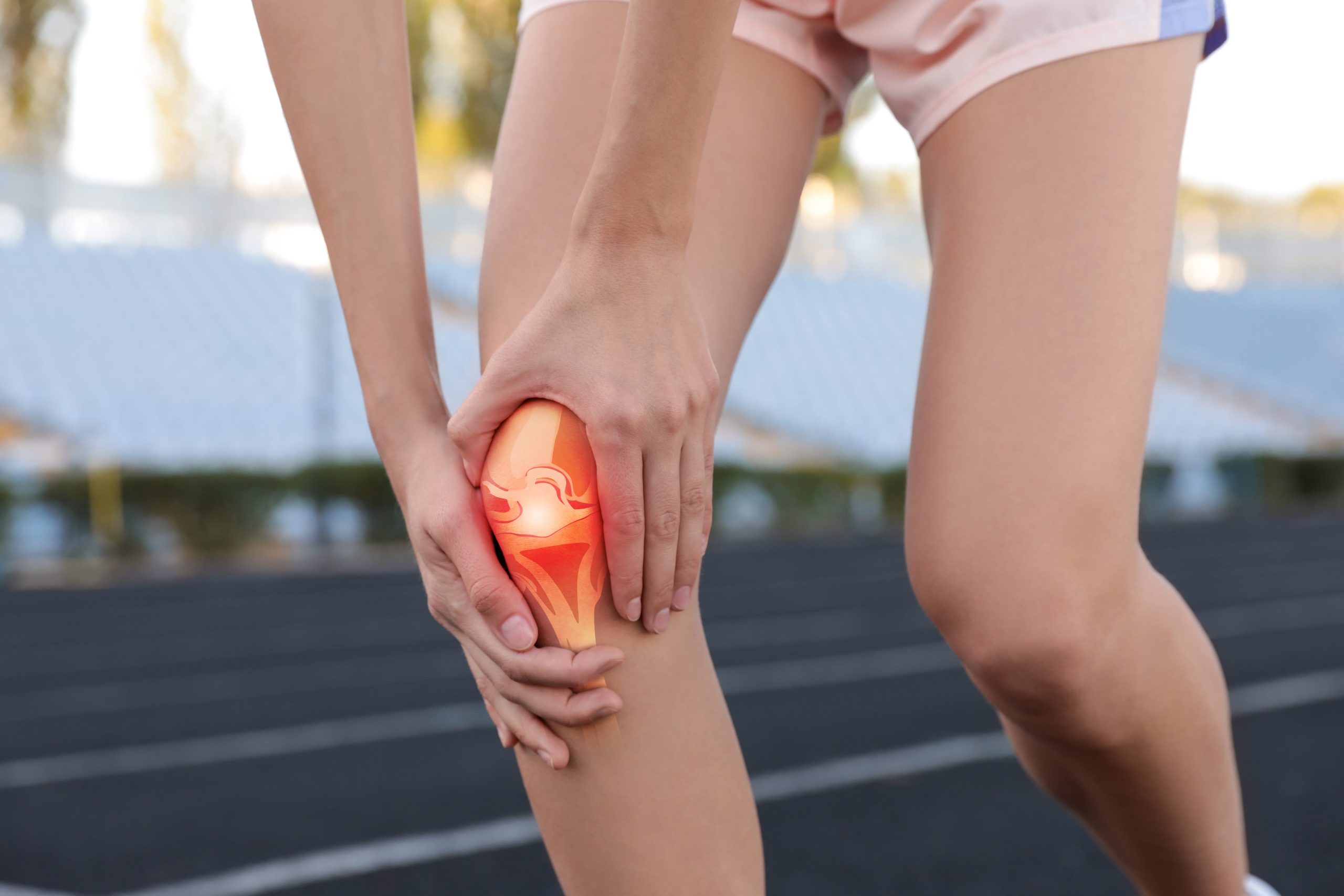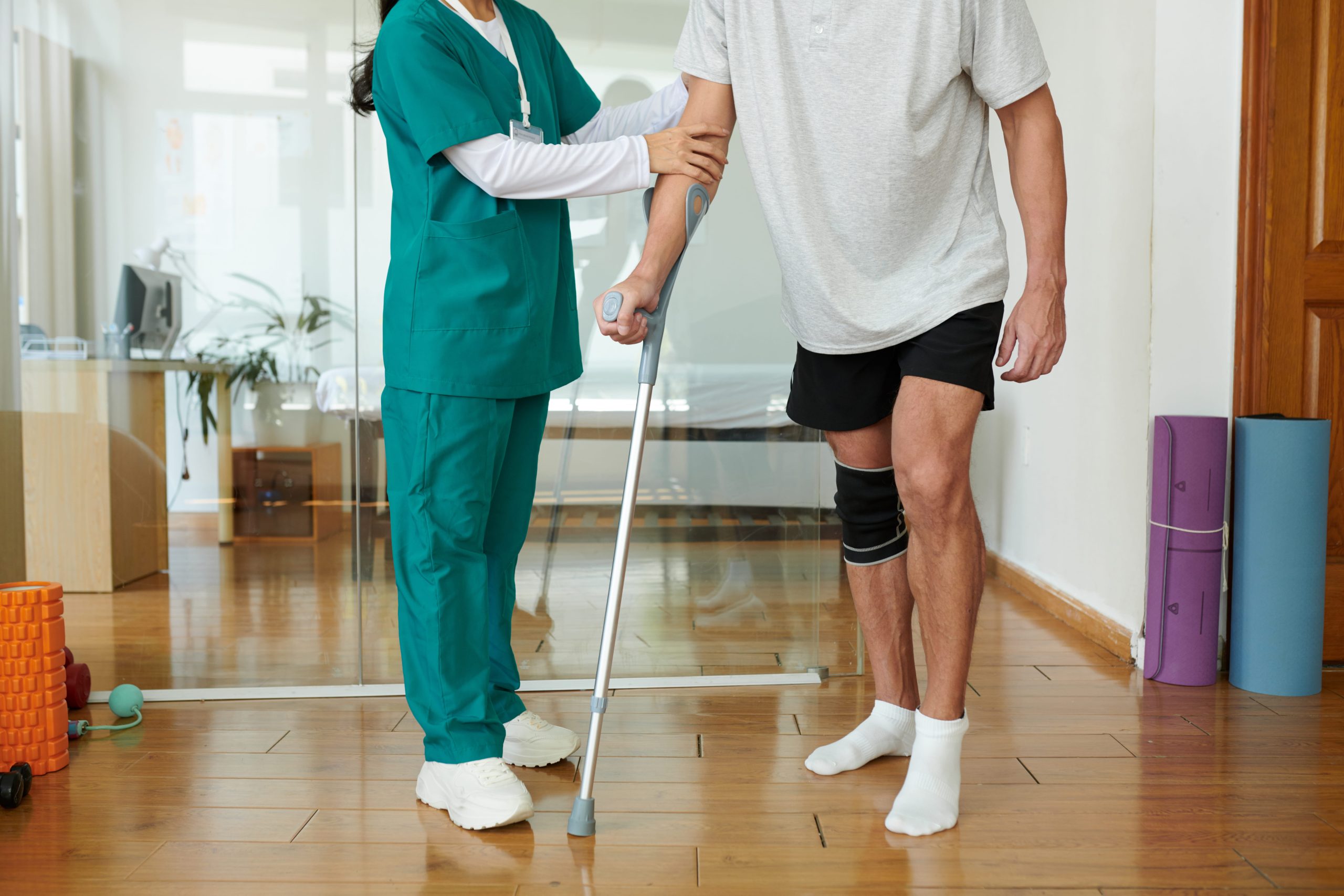
Many patients take their first steps within 24 to 48 hours of ACL reconstruction, supported by crutches and a locked knee brace. Walking progresses in stages over roughly two to six weeks, depending on graft type and individual healing. Full independent walking is guided by strength and swelling milestones, not a fixed calendar date.
Your surgeon’s protocol determines the pace of progression. Some protocols allow full weight-bearing with brace support early on, while others restrict loading for the first one to two weeks.
First 24 to 48 Hours Post-Surgery
Initial mobilisation focuses on blood clot prevention rather than functional walking. The care team typically helps you stand within hours of waking from anaesthesia.
- Crutches and a locked knee brace support minimal weight through the operated leg.
- Pain and swelling are usually most intense during this period; prescribed medication helps manage comfort.
- Crutch technique training happens before discharge, with a focus on a heel-toe gait pattern even at this early stage.
- Same-day or next-day discharge is common, with patients able to move short distances using assistance.
- The brace stays locked in full extension during walking for the first one to two weeks to protect the graft; knee bending occurs only during supervised exercises.
Week One: Protected Weight-Bearing
Walking in the first week is limited to essential movement, such as bathroom trips and physiotherapy visits, with crutches bearing most of your body weight.
Swelling control matters here too. Excess swelling can inhibit quadriceps activation, making the leg feel weak. Ice for 20 minutes every two to three hours, combined with elevation above heart level, may help.
Did You Know?
Quadriceps strength can decline rapidly after knee injury or surgery, driven by a neurological response called arthrogenic muscle inhibition rather than muscle wasting alone. This is one reason the leg can feel unexpectedly weak in the early days, even before noticeable muscle loss occurs.
Weeks Two to Four: Transitioning Off Crutches
The shift from crutch-dependent walking to independent ambulation typically happens gradually between weeks two and four, moving from two crutches to one before stopping altogether.
Milestones your physiotherapist checks before discontinuing crutches:
- Quadriceps activation: A straight leg raise performed without the knee bending partway through (without extension lag) shows sufficient muscle control.
- Swelling reduction: Visible improvement allowing near-full extension and at least 90 degrees of flexion.
- Gait quality: Walking without a noticeable limp at slow speeds; continuing crutches while limping helps avoid compensatory movement patterns.
- Pain levels: Discomfort manageable without strong pain medication, with no sharp pain or swelling spikes during walking.
Progression is based on these criteria rather than the calendar.
Weeks Four to Six: Establishing Normal Gait
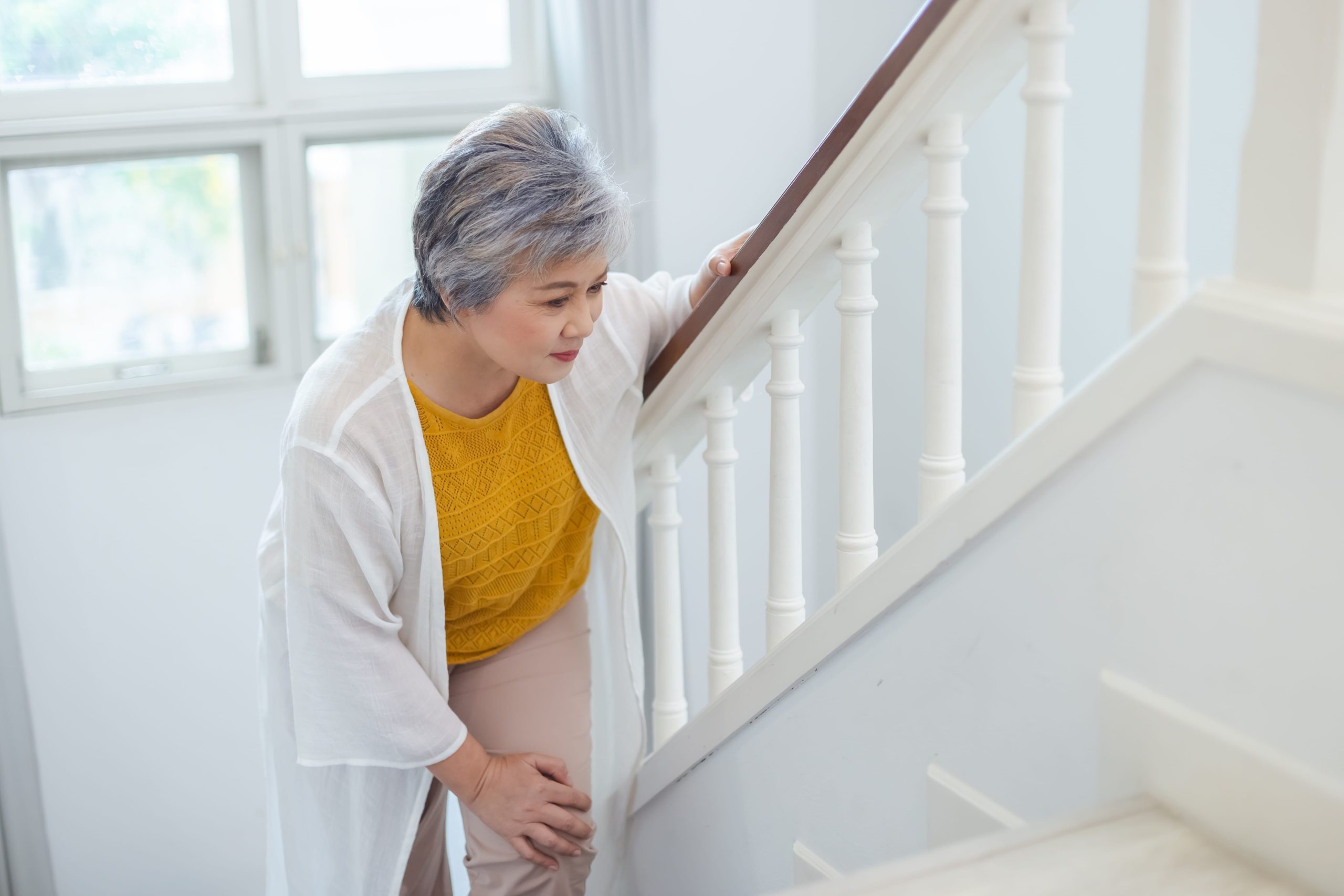
By weeks four to six, many patients walk independently for daily activities, though gait still differs from pre-injury function; speed is slower, and stairs or uneven ground demand extra attention.
Focus areas for normalising gait:
- Knee extension during stance: Consciously straightening the knee corrects the habit of walking with a slightly bent knee.
- Stride length symmetry: Physiotherapy drills address shorter steps on the operated side.
- Heel strike pattern: Landing on the heel rather than flat-footed restores normal shock absorption.
Walking distance typically increases gradually, starting at five to ten minutes and adding five minutes every few days. Pain or swelling after a walk signals a need to scale back temporarily.
Factors That Affect Your Walking Timeline
- Pre-surgery knee condition: Reconstruction soon after injury, before significant muscle atrophy sets in, tends to progress faster than surgery on a chronically unstable knee.
- Meniscus involvement: Concurrent meniscus repair often requires up to six weeks of partial weight-bearing, extending the crutch period.
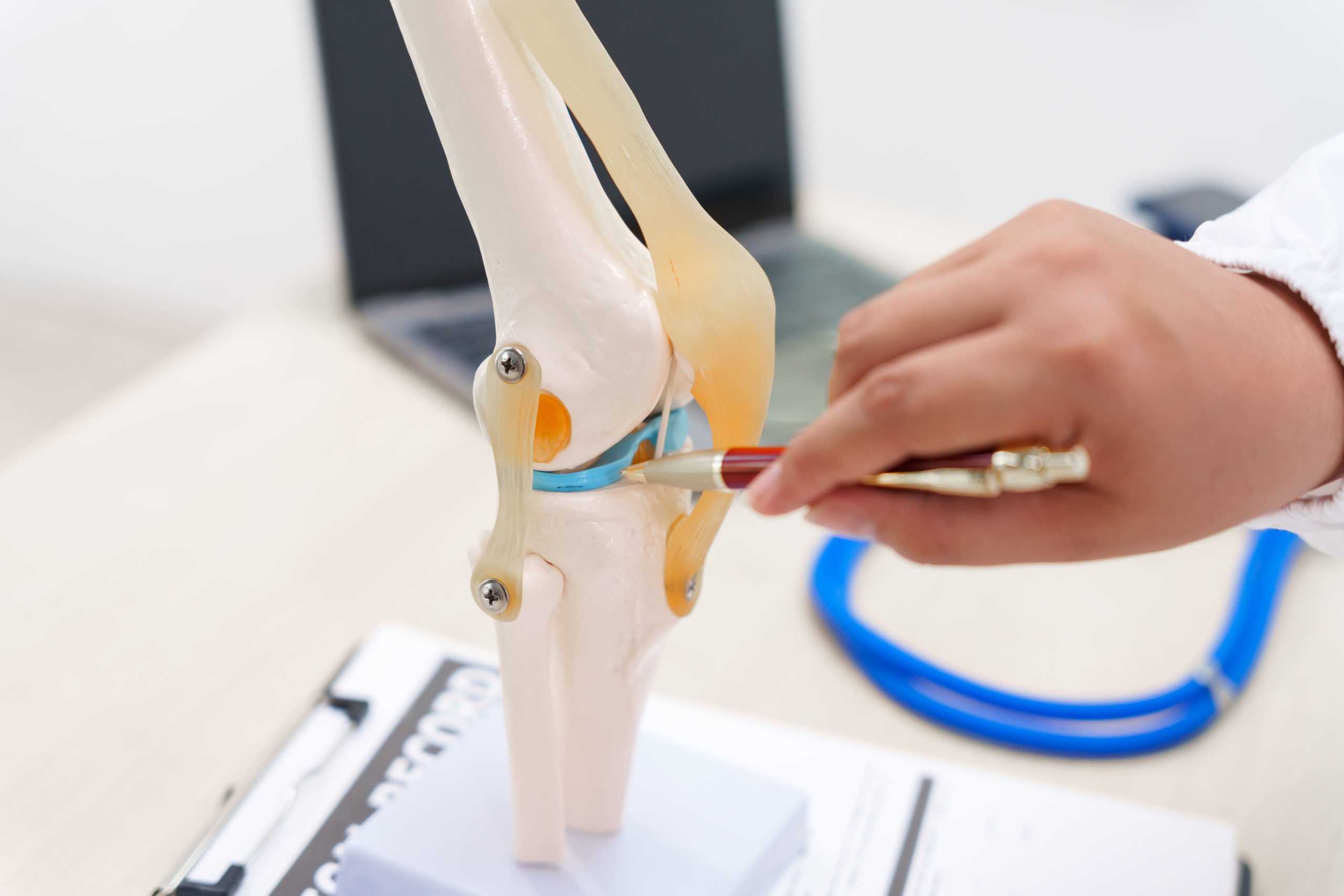
- Graft fixation method: Interference screws, buttons, and cross-pins have differing initial strength, which shapes early weight-bearing protocols.
- Body weight: Higher body weight places more stress on the graft, sometimes warranting a more gradual approach.
- Rehabilitation compliance: Consistent home exercises and physiotherapy attendance tend to support more predictable progress.
Important Note:
Walking without pain doesn’t mean the graft has fully matured. ACL grafts undergo a biological remodelling process that is well underway by 9 to 12 months but can continue for a year or more, during which the knee remains vulnerable to re-injury despite feeling stable in daily activities.
Common Walking Difficulties and Solutions
- The knee feels unstable: Usually reflects quadriceps weakness rather than graft failure, and typically improves with continued strengthening. True mechanical instability, the knee actually giving way, needs prompt evaluation.
- Limping persists beyond six weeks: Often points to insufficient quadriceps strength, limited extension, or pain avoidance, addressed through targeted physiotherapy.
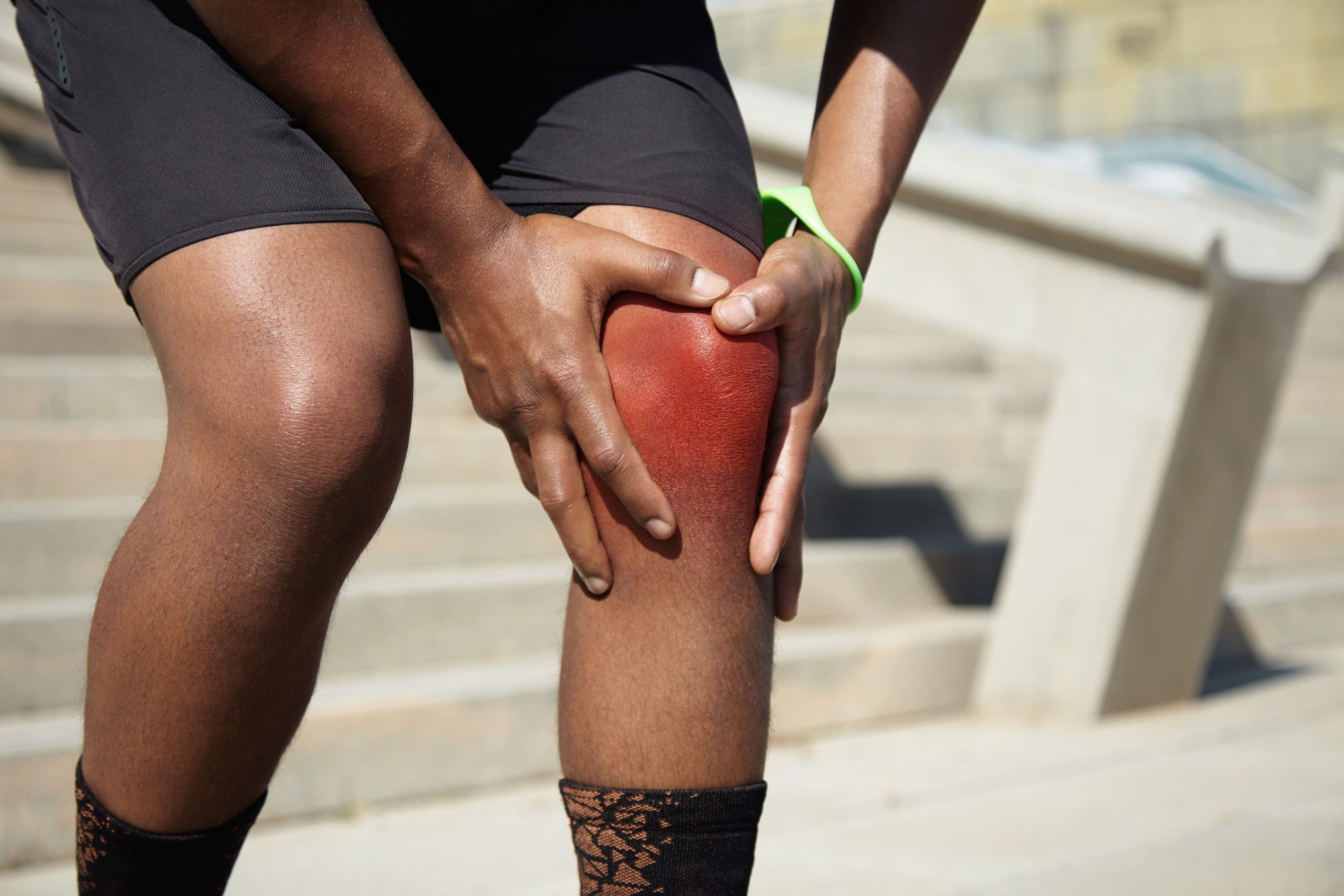
- Swelling increases after walking: Suggests exceeding current tissue tolerance; reducing walking duration, icing after activity, and resting between sessions may help.
- Stiffness after sitting: Common in the first few months. Standing and doing gentle range-of-motion movements every 30 to 45 minutes may help prevent this.
What Our Orthopaedic Specialist Says
The walking timeline after ACL surgery reflects biological healing rather than patient eagerness or pain tolerance. Pushing progression too quickly doesn’t accelerate recovery; it may increase swelling, delay muscle recovery, and potentially compromise graft healing. Excessive caution can equally cause unnecessary stiffness and weakness. The goal in early recovery is walking well, not walking fast or far.
Daily Management Strategies
- Prepare your home before surgery: Clear pathways, place frequently used items within easy reach, and consider moving sleeping arrangements to avoid stairs in the first two weeks.
- Schedule walks strategically: Aim for times when pain medication provides good relief, typically 30 to 45 minutes after a dose.
- Use ice proactively: Apply cold therapy before and after walking rather than waiting for swelling to appear.
- Monitor daily patterns: Track distance, pain, and swelling to learn your knee’s current tolerance.
- Prioritise sleep positioning: Slight knee elevation on pillows may reduce overnight swelling.
When to Seek Professional Help
- Sudden increase in pain not relieved by prescribed medication
- Significant swelling developing rapidly after a period of improvement
- Feeling of the knee shifting or giving way during walking
- Inability to straighten the knee fully when standing
- Calf pain, swelling, or warmth suggesting a possible blood clot
- Fever or increasing redness around surgical incisions
- No improvement in walking ability despite consistent rehabilitation
Commonly Asked Questions
Can I walk without crutches at two weeks post-surgery?
Some patients discontinue crutches at two weeks, while others need them for four weeks or longer. Your physiotherapist bases this on quadriceps strength, swelling control, and gait quality, not calendar time alone. Rushing this transition risks a habitual limp.
Is it normal for walking to hurt after ACL surgery?
Discomfort during early walking is expected and typically feels like achiness or stiffness rather than sharp pain. Severe pain warrants evaluation, while moderate discomfort settling within an hour falls within normal limits during the first six weeks.
How far should I walk each day during recovery?
Initial walks of five to ten minutes can gradually increase based on the knee’s response. By six weeks, many patients walk comfortably for 20 to 30 minutes, though the right distance varies and should not cause lasting swelling or pain.
Will my walking ever return to normal after ACL surgery?
Many patients regain normal walking patterns within three to four months. Running, jumping, and sports-specific movements generally take longer, often nine to twelve months, with continued rehabilitation supporting good functional outcomes.
Should I use a cane instead of crutches?
Crutches generally provide better weight control during early recovery. A single cane may work as an intermediate step between one crutch and independent walking, often around weeks three to four.
Next Steps
Walking after ACL surgery progresses from protected weight-bearing with crutches to independent walking over roughly two to six weeks. Concurrent procedures such as meniscus repair extend this timeline. Readiness to discontinue crutches is determined by quadriceps strength, swelling control, and gait quality rather than calendar time. If walking recovery isn’t progressing as expected, clinical evaluation is warranted.
If you are experiencing a persistent limp beyond six weeks, ongoing knee instability during walking, or unexpected swelling or pain after ACL surgery, consult our accredited orthopaedic specialist for an evaluation.