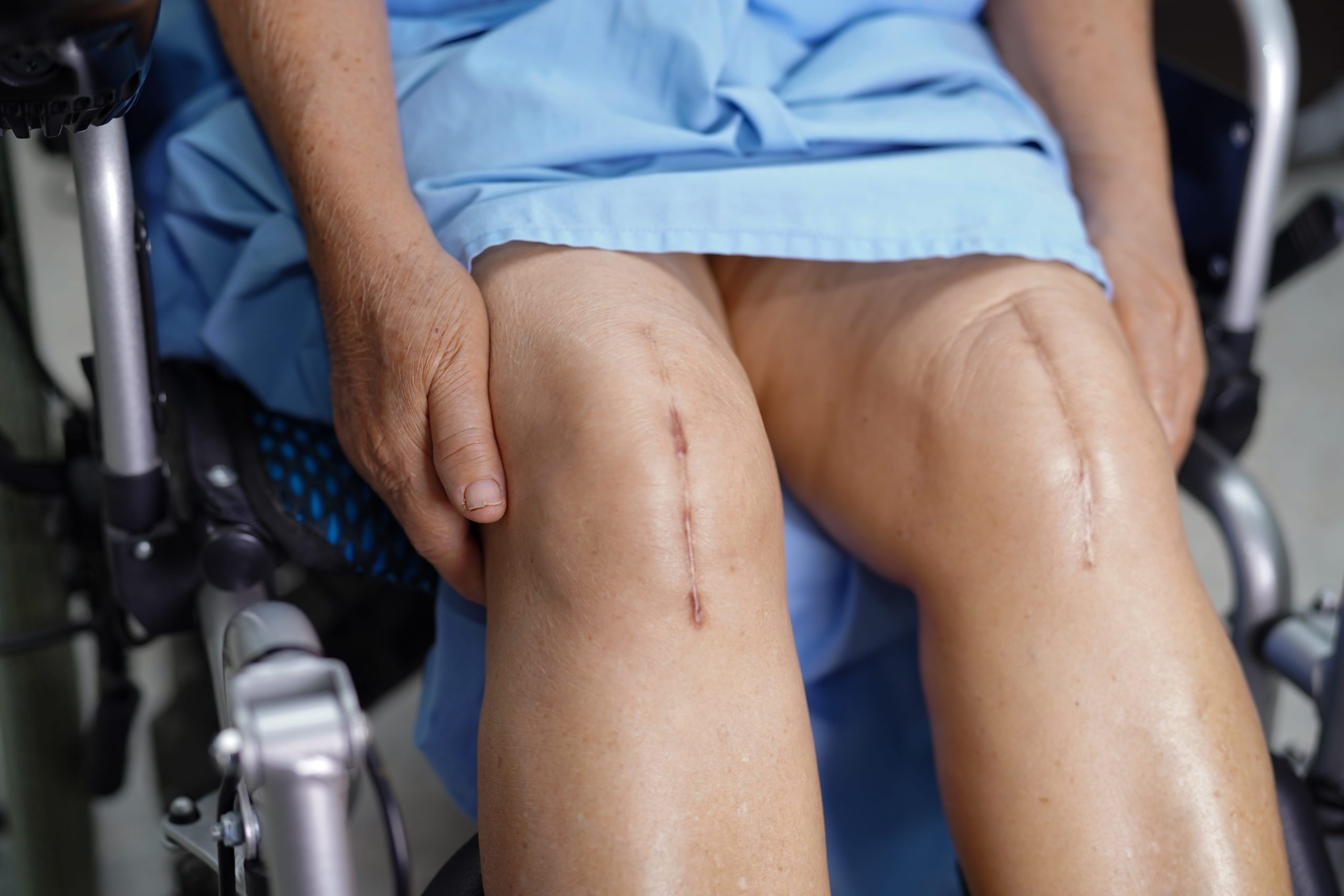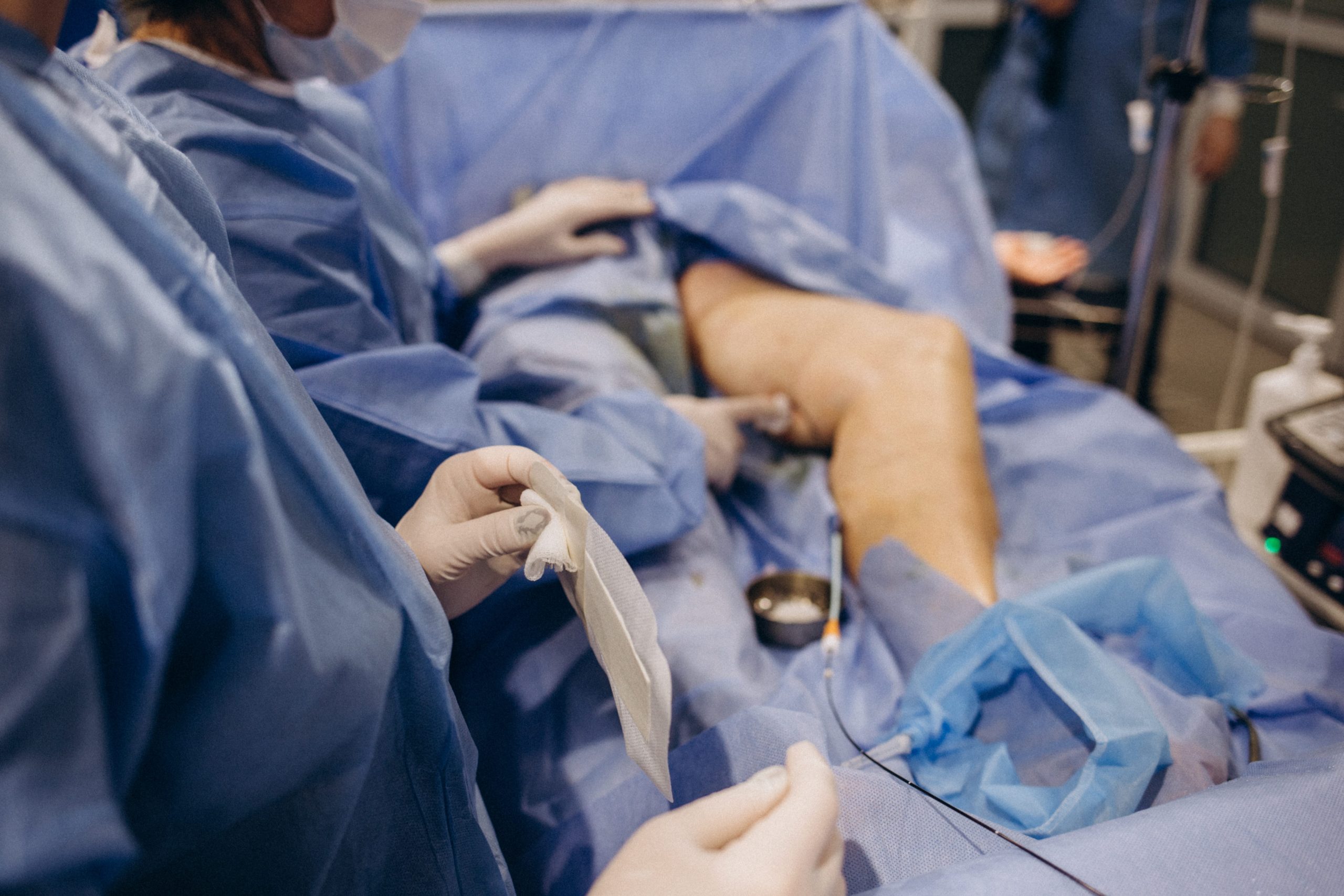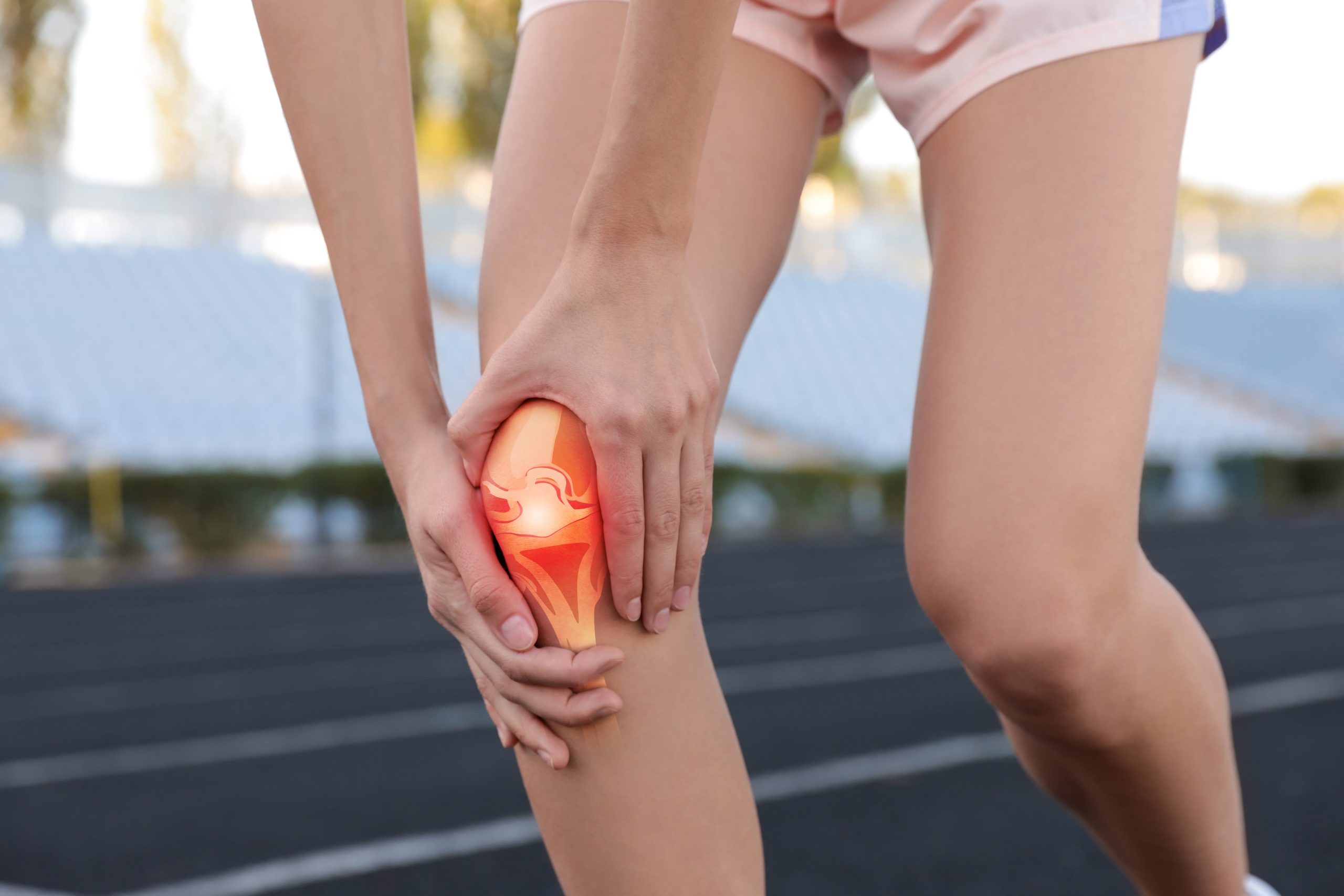
Not all ACL tears are the same, since a partial tear leaves some ligament fibres intact, and that distinction can change how the injury is managed. The percentage of fibres damaged, their location within the ligament, and the resulting knee stability all influence treatment decisions, with some athletes returning to activity without surgery while others with similar injuries may require reconstruction to restore function.
Unlike complete tears, where surgical reconstruction is often recommended, partial ACL tears typically require careful evaluation of multiple factors to determine whether conservative treatment or surgery is more suitable for the individual patient.
Anatomy of Partial ACL Injuries
The ACL is made up of two functional bundles, and a partial tear can affect one bundle while leaving the other relatively intact, which is why the location and pattern of the injury shape how it presents clinically.
- Anteromedial bundle: The primary restraint against forward movement of the tibia, contributing an estimated 66% to 84% of the resistance to anterior tibial translation depending on knee position. Injuries here typically cause more noticeable forward laxity during clinical examination.
- Posterolateral bundle: Primarily limits rotational movement and also contributes to anterior stability when the knee is near full extension. Injuries here often present as rotational instability, which patients may describe as the knee “giving way” during pivoting, and some tears involve both bundles to varying degrees, creating mixed instability patterns.
- Location of the tear: Proximal tears near the femoral attachment have different healing potential compared to mid-substance or tibial-sided injuries, since the ACL has limited blood supply in its central portion, which affects its natural healing capacity.
Clinical Assessment of Knee Stability
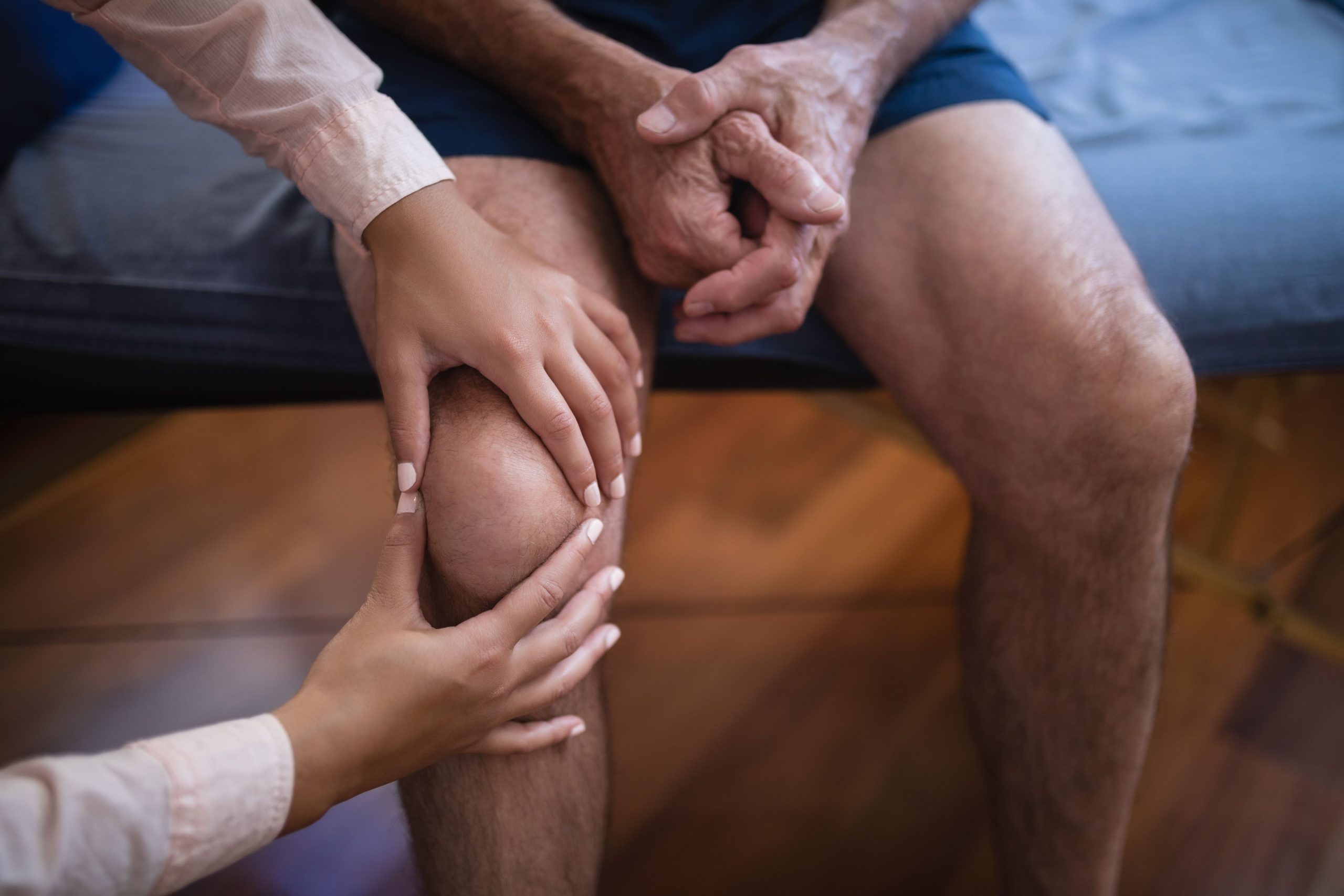
Physical examination provides information that imaging alone cannot capture. The Lachman test measures anterior tibial translation with the knee flexed to 20 to 30 degrees, while the anterior drawer test assesses similar movement at ninety degrees of flexion. The pivot shift test evaluates rotational stability during combined movements.
Grading systems categorise laxity as Grade I (minimal increased movement), Grade II (moderate laxity with a definite endpoint), or Grade III (significant laxity without a clear endpoint). Partial tears typically demonstrate Grade I or II laxity, though findings vary based on which bundle is affected and the degree of damage.
Comparing the injured knee to the uninjured side establishes each patient’s baseline. Some individuals have naturally lax ligaments bilaterally, which must be distinguished from pathological instability. Examination under anaesthesia may be performed when pain or guarding prevents accurate assessment.
The Role of MRI in Treatment Planning
Magnetic resonance imaging reveals the extent and location of ligament damage with high accuracy. Radiologists describe partial tears by the percentage of fibres involved, typically categorising them as less than 50% or greater than 50% disruption. However, these percentages don’t directly translate to functional outcomes.
MRI also identifies associated injuries that influence treatment decisions. Meniscal tears frequently accompany ACL injuries and may require surgical attention regardless of ACL treatment choice. Cartilage damage, bone bruising patterns, and injuries to other ligaments all factor into the complete clinical picture.
The appearance of remaining ACL fibres on MRI, whether they appear taut and functional or stretched and attenuated, provides prognostic information. Scarring and remodelling over time can change MRI appearance, making the timing of imaging relative to injury relevant.
Did You Know?
The ACL has mechanoreceptors that provide the brain with information about knee position and movement. Rehabilitation programmes specifically target this proprioceptive function, which can improve even when the structural damage remains unchanged.
Factors Favouring Surgical Intervention
Several factors can tilt the decision toward surgery for a partial ACL tear, ranging from ongoing instability despite rehabilitation to the physical demands of a patient’s sport or lifestyle.
- Persistent instability: Giving-way episodes that continue despite adequate rehabilitation are the primary indication for surgery in partial ACL tears, since reconstruction is designed to help restore stability that conservative treatment was unable to achieve.
- High-demand athletes: Those who require pivoting, cutting, or jumping for their sport often benefit from earlier surgical consideration, since these mechanical demands can exceed what a partially torn ACL can reliably control, and recurrent instability episodes risk further damage to the menisci and cartilage.
- Associated injuries: Repairable meniscal tears have time-sensitive treatment windows, so addressing them surgically may make concurrent ACL reconstruction a logical option, particularly when progressive giving-way episodes with decreasing provocation suggest the tear is functionally progressing toward complete insufficiency.
- Young, active patients: Those wanting to return to demanding or pivoting sports face a decision between activity modification and surgical reconstruction, and while not every young athlete requires surgery, the likelihood of eventual reconstruction may increase with higher activity levels and longer time horizons.
The Rehabilitation Trial Period
Most orthopaedic surgeons recommend a structured rehabilitation programme before finalising surgical decisions for partial ACL tears. This period, typically lasting three to six months, serves both therapeutic and diagnostic purposes.
Rehabilitation focuses on restoring the full range of motion, rebuilding quadriceps and hamstring strength, and retraining neuromuscular control. Specific exercises challenge the knee’s stability progressively, starting with controlled movements and advancing to sport-specific demands. The knee’s response to increasing challenges reveals its functional capacity.
Patients who complete rehabilitation with good strength, minimal swelling, and no instability episodes during progressively demanding activities demonstrate that their partial tear provides adequate stability. Those who continue experiencing giving-way despite dedicated rehabilitation have answered the surgical question through their functional response.
Important Note:
Returning to sport too quickly after a partial ACL tear, whether treated surgically or conservatively, increases re-injury risk. Completion of objective functional criteria rather than time alone should guide return-to-activity decisions.
Surgical Options for Partial Tears
When surgery is indicated, two main approaches exist: augmentation of the remaining ACL or complete reconstruction. The choice depends on the quality of the remaining tissue and the stability pattern.
ACL augmentation preserves functional native tissue whilst adding a graft to restore full stability. This technique suits partial tears where one bundle remains intact and functional. Preserving native tissue may maintain some proprioceptive function and potentially allow smaller, less invasive grafts.
Complete ACL reconstruction removes the damaged ligament and replaces it entirely with graft tissue. This approach is chosen when remaining ACL tissue is too damaged to preserve or when augmentation has failed. Graft options include hamstring tendons, patellar tendon, quadriceps tendon, or allograft tissue.
Making an Informed Decision
Questions to discuss with your orthopaedic surgeon include:
- What percentage and location of my ACL appears damaged?
- What does my clinical examination suggest about functional stability?
- Are there any associated injuries that affect treatment recommendations?
- What specific activities do I want to return to, and what does each treatment approach offer for those goals?
- What does the rehabilitation process look like with each option?
Recovery Expectations
Conservative treatment involves progressive rehabilitation over three to six months before considering return to demanding activities. Success means the knee remains stable during increasingly challenging tasks without surgery.
Surgical reconstruction requires six to nine months before returning to pivoting sports, though the timeline varies with surgical technique, graft choice, and individual healing.
Rehabilitation after surgery follows structured protocols that progress based on objective measurements of strength, stability, and movement quality.
Both pathways require commitment to rehabilitation. The difference lies in whether rehabilitation aims to restore function around a partial tear or to protect and integrate a surgical reconstruction.
When to Seek Professional Help
- Knee swelling that doesn’t resolve within several days of injury
- Sensation of the knee giving way during walking or activities
- Inability to fully straighten or bend the knee
- Pain that prevents normal walking
- Recurrent instability episodes despite rest and basic care
- Difficulty returning to desired activities due to knee symptoms
Commonly Asked Questions
Can a partial ACL tear heal completely on its own?
Partial tears don’t regenerate normal ligament tissue, but the remaining fibres can adapt, and scar tissue may form. Functional healing, meaning the knee becomes stable enough for desired activities, occurs in many cases, though the ACL won’t return to its pre-injury structure.
How long should I try rehabilitation before considering surgery?
Most protocols recommend three to six months of dedicated rehabilitation before concluding that conservative treatment has failed. Adequate time allows strength recovery, swelling resolution, and meaningful testing of knee stability during progressively demanding activities.
Will my partial tear progress to a complete tear?
Without significant trauma, partial tears don’t typically progress spontaneously. However, continued participation in activities that cause instability episodes can further damage the ligament. Activity modification or surgical treatment protects against this progression.
Can I return to competitive sports without surgery?
Some athletes successfully return to high-level competition after partial ACL tears treated conservatively. Success depends on the specific injury pattern, the sport’s demands, and the individual’s response to rehabilitation. Pivoting sports carry a higher risk than straight-line activities.
What happens if I delay surgery and it becomes necessary later?
Delayed reconstruction can still achieve good outcomes. However, repeated episodes of instability during the delay period may cause meniscal or cartilage damage that affects long-term joint health. Early surgical consultation helps patients understand their timeline and risks.
Next Steps
Whether a partial ACL tear requires surgery depends on two key factors: the degree of functional instability after a structured rehabilitation trial and the presence of any associated injuries, such as a meniscal tear, that require surgical management. Repeated giving-way episodes during the rehabilitation period are the clearest indicator that reconstruction is necessary.
If you are experiencing knee giving-way, persistent instability, or ongoing symptoms following a knee injury, consult an accredited orthopaedic specialist to evaluate your ACL injury and determine whether conservative management or surgical reconstruction is appropriate for your situation.