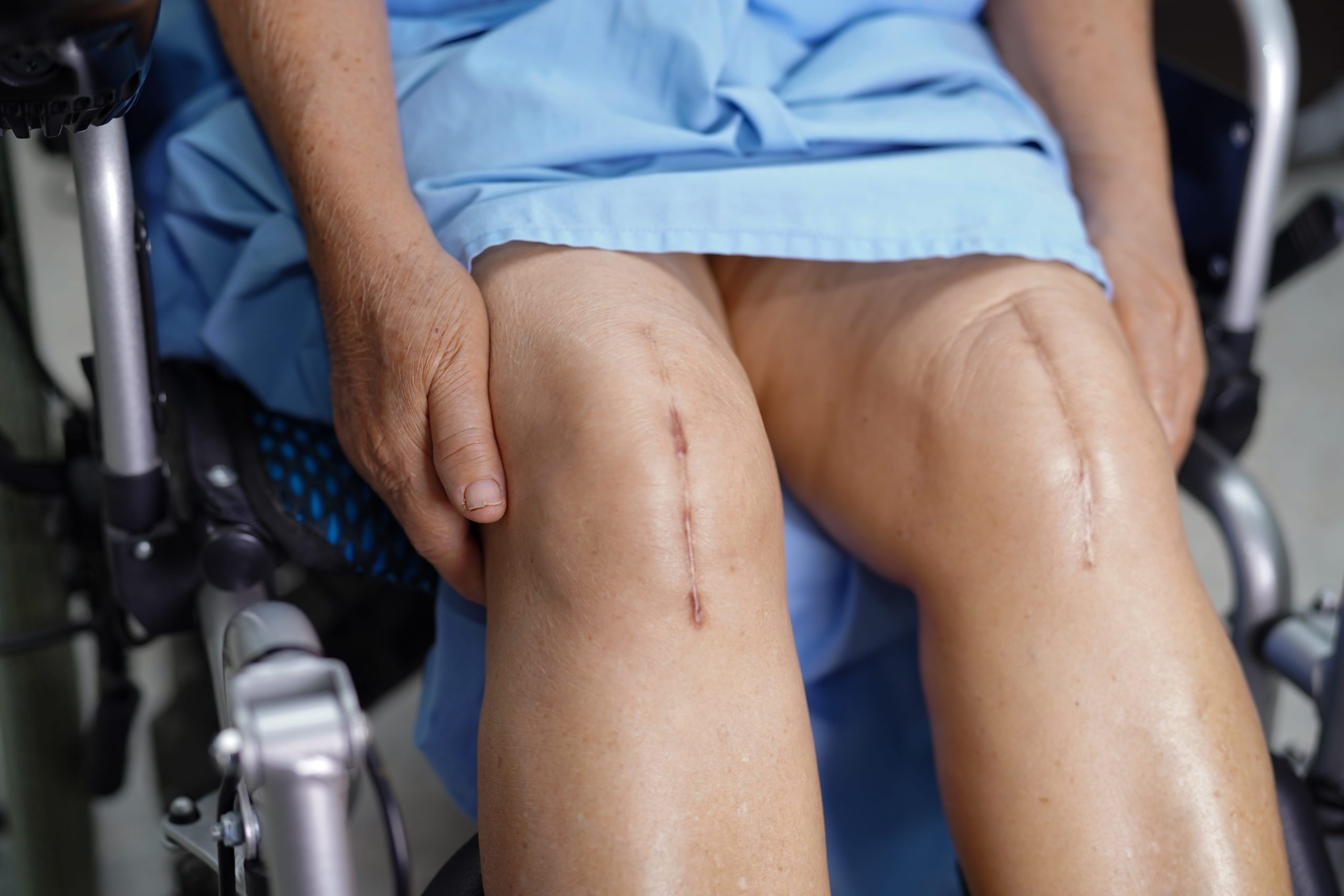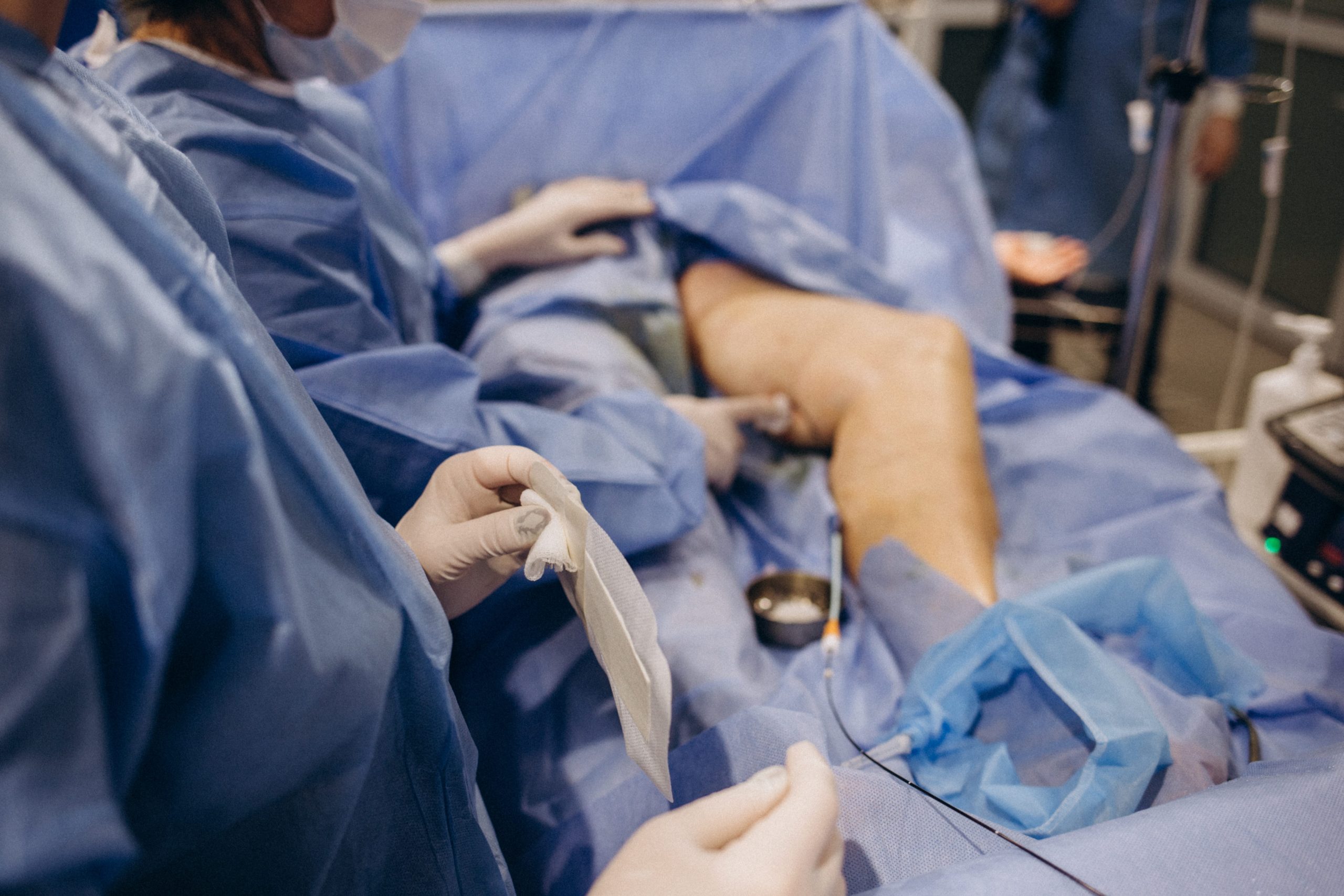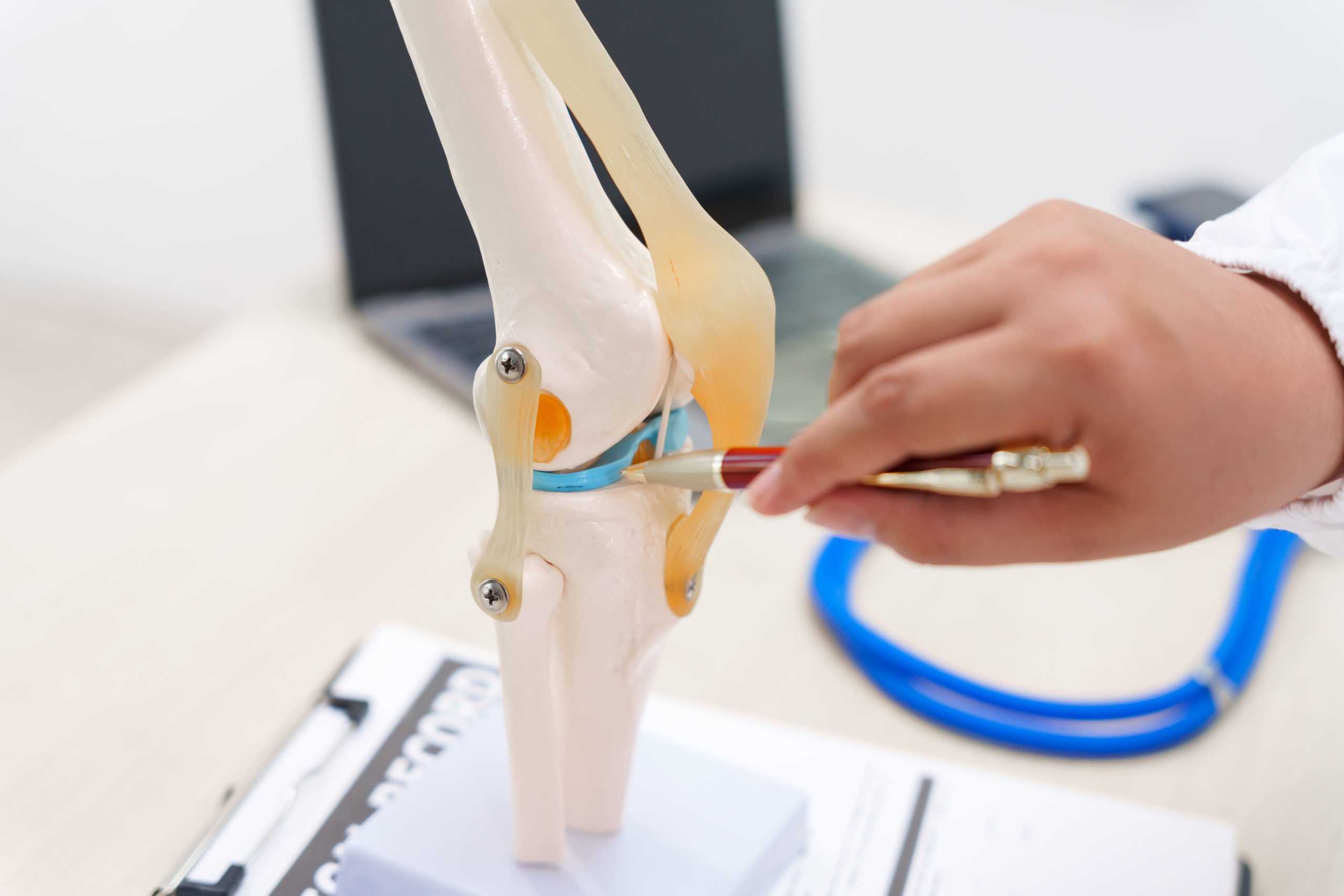
Knee replacement surgery is an effective treatment for individuals who suffer from chronic knee pain and limited mobility due to conditions such as osteoarthritis or an injury, often after exploring other forms of knee pain treatment in Singapore. The procedure replaces damaged knee parts with prosthetic components to restore mobility and alleviate pain. This article explores the different types of knee replacement surgeries to help you make an informed decision about the right treatment for your needs.
Indicators That You May Need Knee Replacement Surgery
Persistent knee pain, stiffness, and limited mobility are common signs that you may need knee replacement surgery. If these symptoms interfere with daily activities like walking, climbing stairs, or getting up from a chair, it may be time to consider surgery. Additional indicators include:
- Swelling and inflammation that does not respond to medication or other treatments.
- Difficulty fully bending or straightening the knee.
- Pain that continues even during rest or at night.
- Knee deformities, such as bowing (knees curving inward or outward)
If these issues persist despite non-surgical treatments like physical therapy or medications, knee replacement surgery may be a viable option.
Choosing the Right Type of Knee Replacement
There are several types of knee replacement surgeries available, and the choice depends on the severity of your knee damage and your overall health. The main types include:
Total Knee Replacement (TKR)
In a total knee replacement, the entire knee joint is replaced with prosthetic components made of metal and plastic. This is the most common form of knee replacement surgery, typically recommended for those with widespread damage to the joint caused by arthritis or injury. TKR provides long-term pain relief and improves mobility for patients with severe joint degeneration.
Partial Knee Replacement (PKR)
Partial knee replacement involves replacing only the damaged part of the knee, leaving the healthy areas untouched. This procedure is less invasive than a full knee replacement and is ideal for patients with damage limited to one area of the knee, such as the inner or outer part. Recovery is usually quicker, and the knee often feels more natural post-surgery.
Revision Knee Replacement
Revision knee replacement is necessary for patients who have previously had a knee replacement but are now experiencing problems with the original prosthesis, such as wear and tear, infection, or loosening. This procedure replaces or repairs the existing prosthetic components. Revision surgery is more complex than the initial knee replacement and requires a more tailored approach to address the issues with the old implant.
Your surgeon will consider factors such as your age, activity level, and overall knee condition when determining whether a total, partial, or revision knee replacement is most appropriate.
Conclusion
Knee replacement surgery offers effective relief for those suffering from chronic knee pain and limited mobility. Whether you need a total knee replacement, partial knee replacement, or revision knee surgery, it is necessary to consult with a skilled orthopaedic specialist in Singapore to explore your options. Learning about the various types of knee replacement can help you make the most suitable decision and take the first step toward a pain-free life.
If you are experiencing knee damage symptoms, schedule a consultation with Dr Dennis today to learn more about your treatment options and begin your recovery journey.