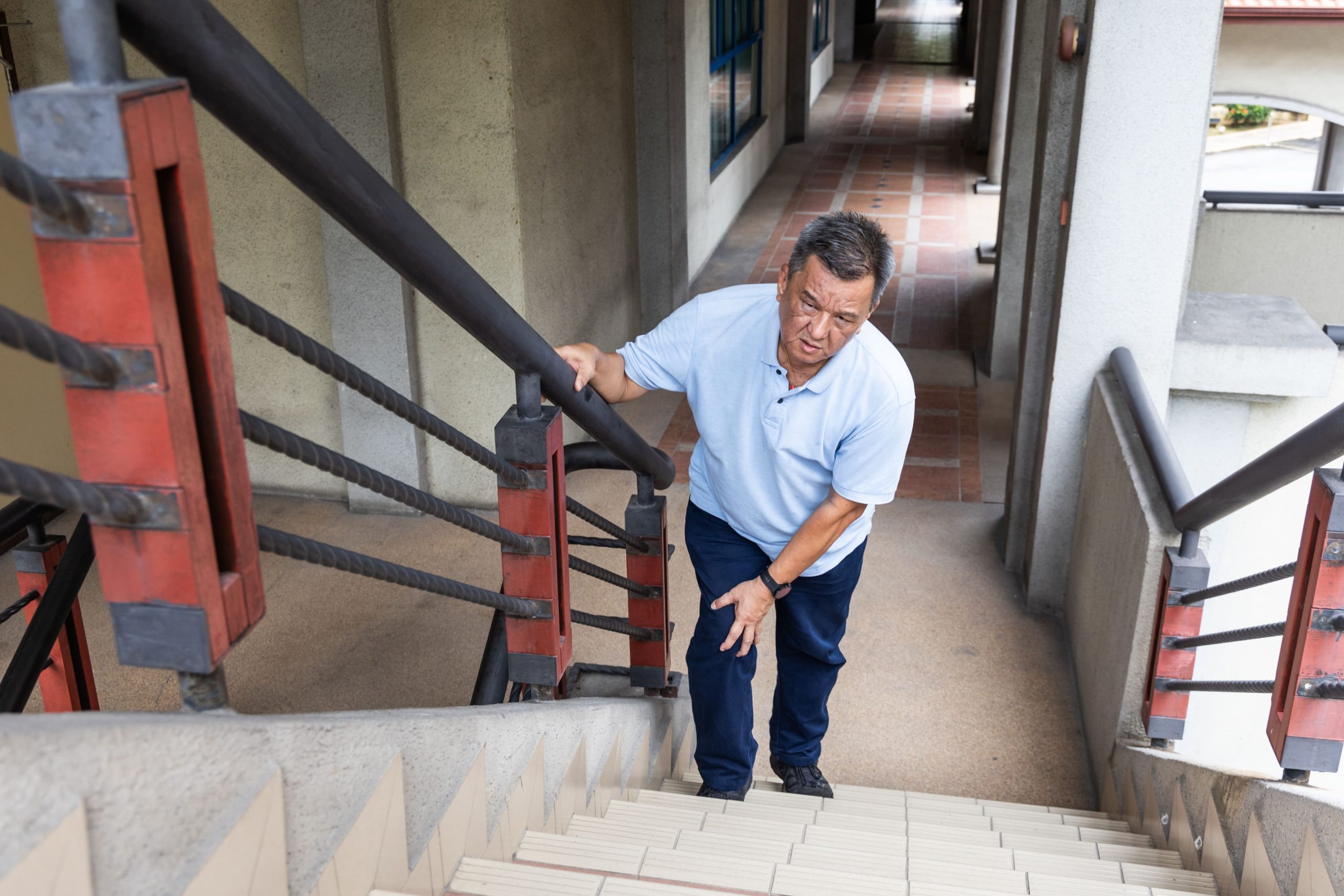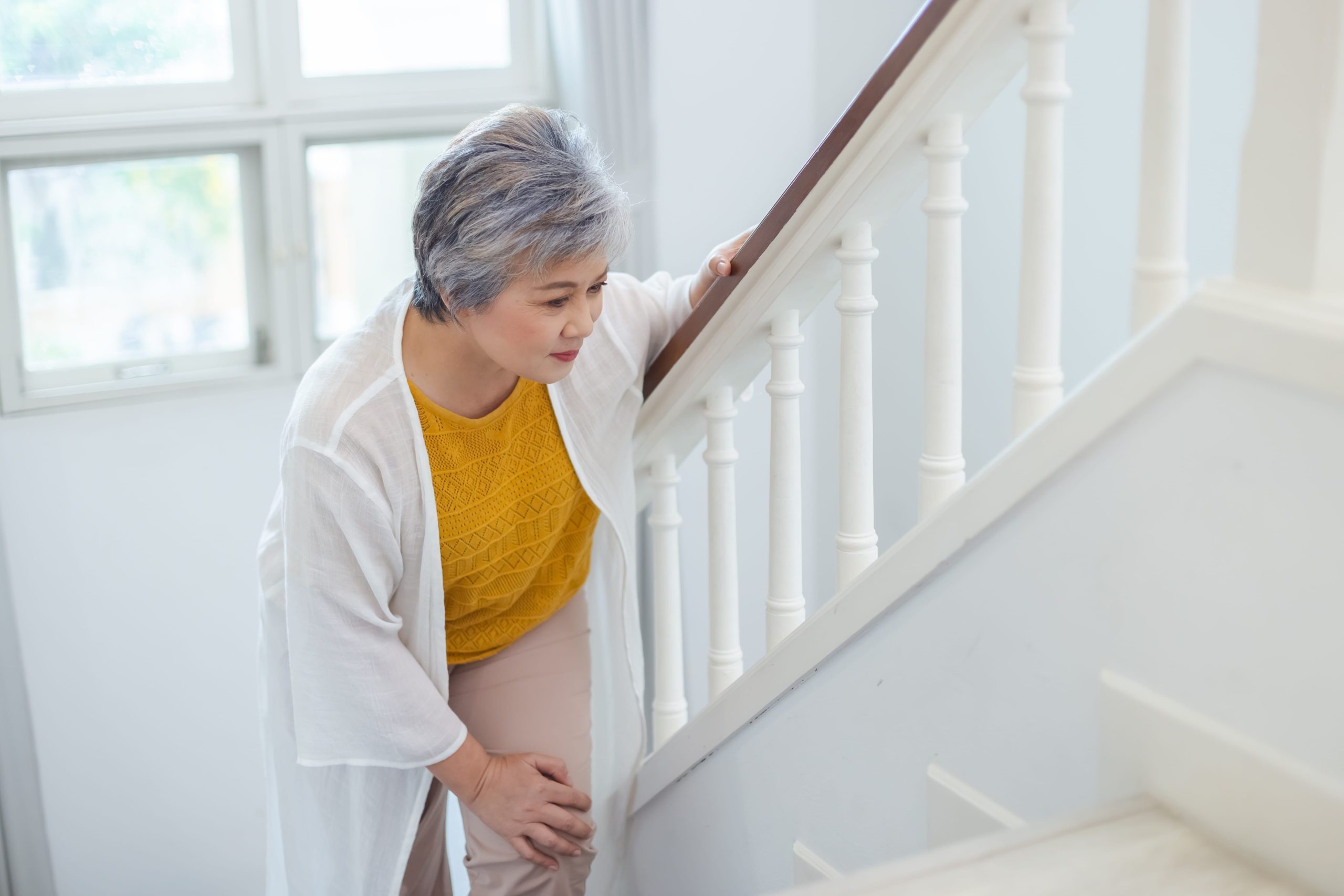
Stair climbing generates joint forces three to four times your body weight, placing significantly greater load on your knees than level walking. This mechanical stress concentrates primarily on the patellofemoral joint, where your kneecap meets the thigh bone. Deep bending angles combined with repetitive weight-bearing can quickly expose underlying issues in joint cartilage, tendons, or surrounding soft tissues.
Discomfort during stair climbing often develops gradually, reflecting biomechanical imbalances or structural wear patterns that may evolve over time. Evaluating the underlying cause of your discomfort is an important step, as managing tendon irritation typically requires a different approach than addressing cartilage changes.
The Patellofemoral Joint: Ground Zero for Stair Pain
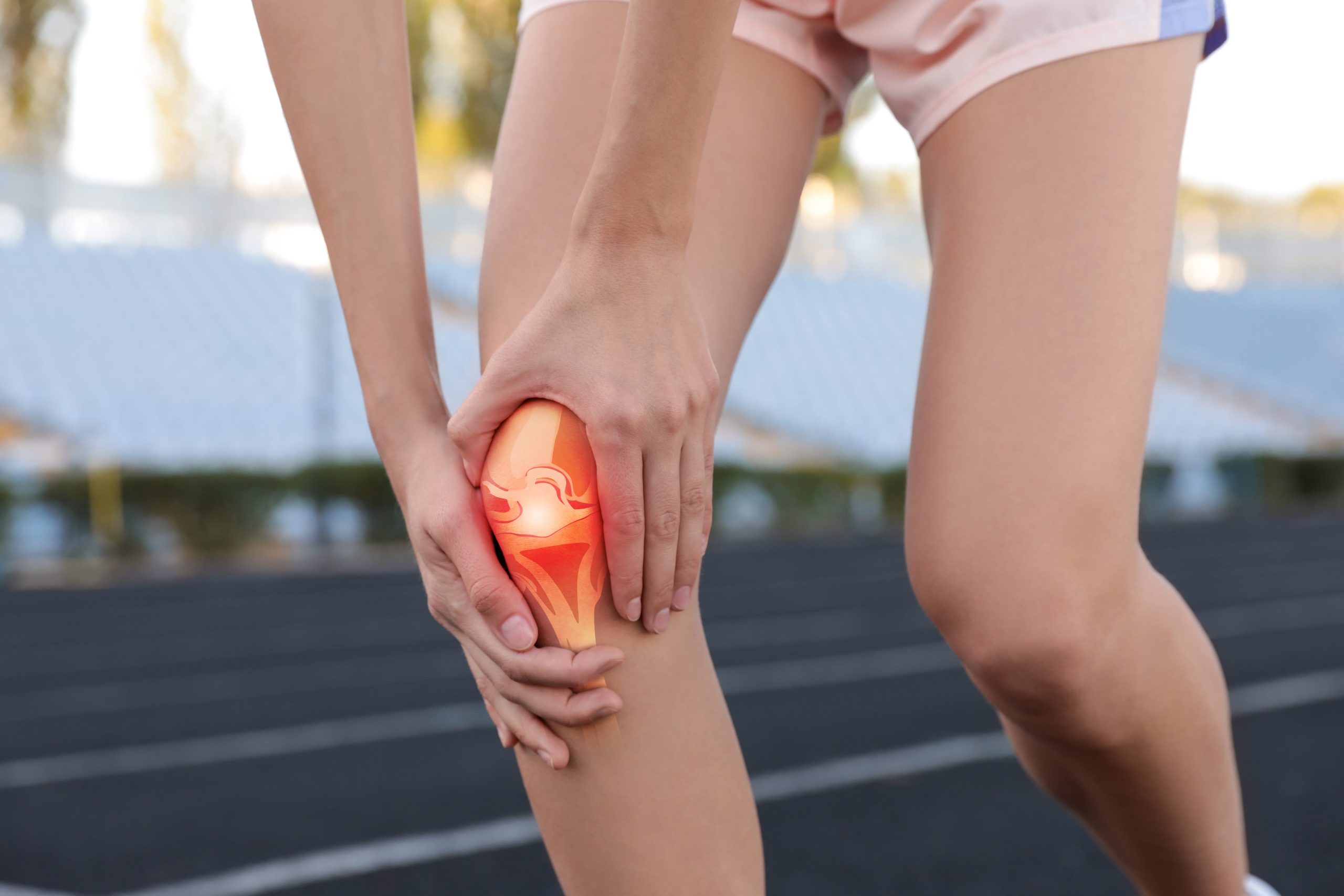
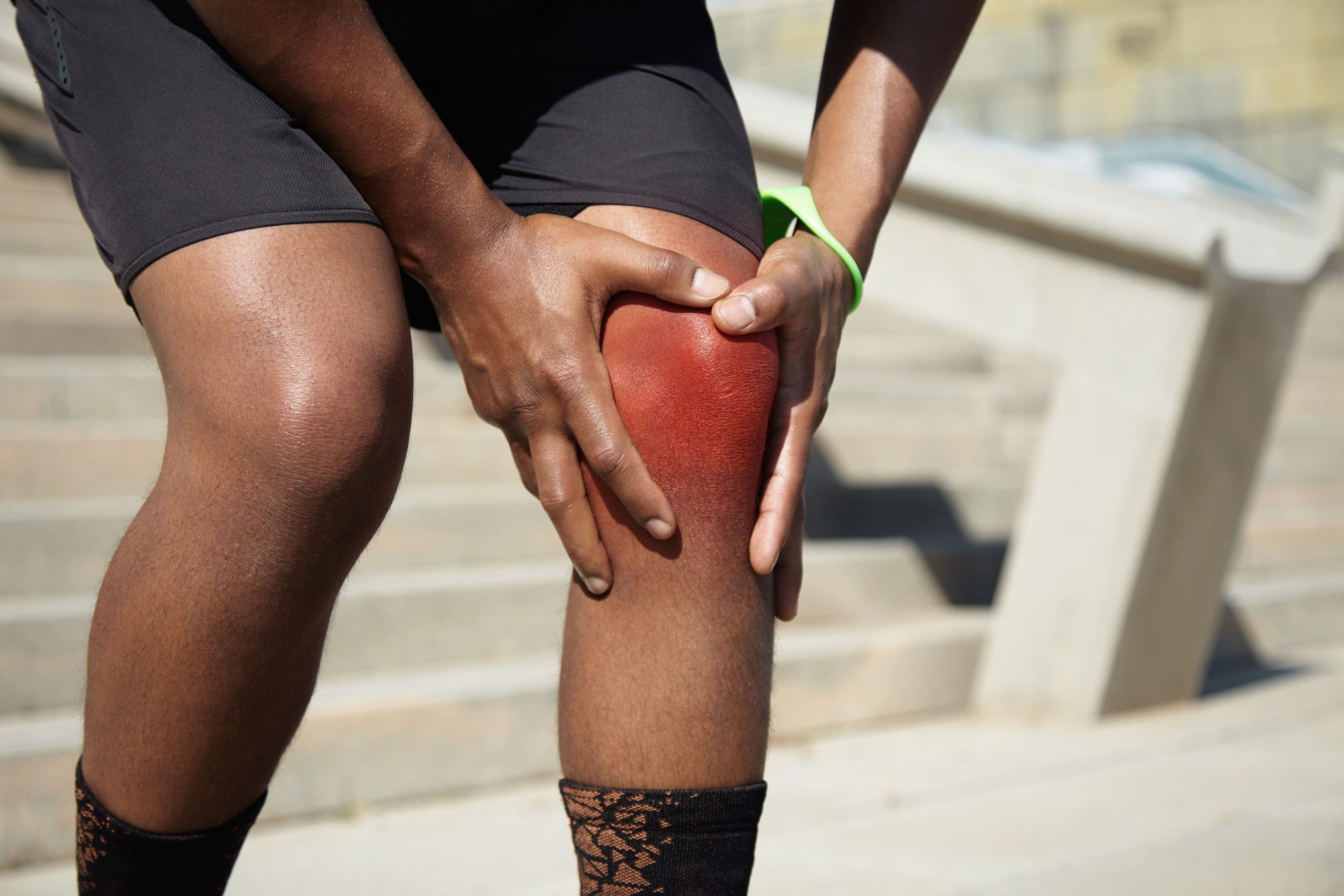
During stair climbing, significant compressive forces concentrate on the patellofemoral joint as the kneecap glides against the thigh bone. When improper tracking or cartilage irritation occurs, this high-load area often becomes a primary source of front-of-knee discomfort.
- Tracking Irritation: Patellofemoral pain syndrome develops when the kneecap misaligns within its groove, leading to irritation of the underlying cartilage.
- Symptom Patterns: Discomfort typically presents as a dull, aching sensation around or behind the kneecap, often intensifying during stair descent or after prolonged sitting with bent knees (the “theatre sign”).
- Biomechanical Triggers: Quadriceps muscle imbalances, tightness along the outer thigh, and altered foot mechanics can disrupt alignment and increase joint pressure.
- Management Approach: Targeted rehabilitation focusing on correcting underlying biomechanical contributors generally forms the cornerstone of care.
Cartilage Degeneration and Osteoarthritis
Articular cartilage covers the bone surfaces within the knee joint, providing a low-friction surface for movement. Because cartilage has a limited blood supply, its capacity for natural self-repair is constrained, and structural damage may progress over time if unmanaged.
Early cartilage changes often produce symptoms primarily during high-load activities such as climbing stairs. Patients may experience stiffness after rest, a grating or grinding sensation during joint movement, or localised swelling after physical activity. As degenerative changes progress, discomfort may occur during routine daily movements.
Osteoarthritis represents the end stage of cartilage breakdown, though the timeline varies enormously between individuals. Factors influencing progression include body weight, activity levels, previous injuries, and genetic predisposition. Whilst cartilage cannot regenerate, many people maintain functional, comfortable knees through appropriate management strategies.
Meniscus Problems
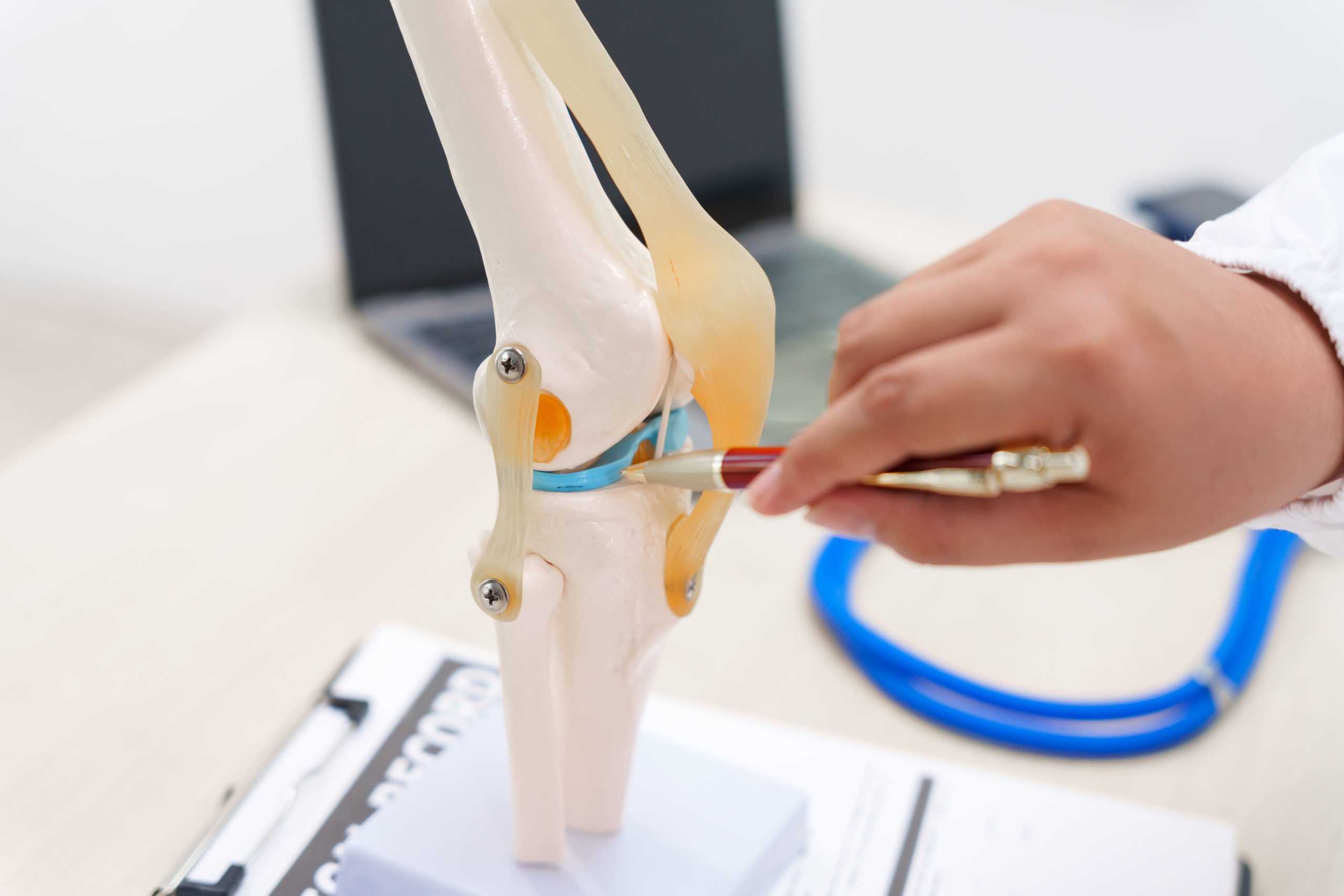
Your knee contains two C-shaped cartilage pads called menisci, positioned between the thigh bone and shin bone. These structures distribute weight, absorb shock, and stabilise the joint. Meniscus tears are among the more common knee injuries.
Acute tears typically result from twisting movements whilst weight-bearing, common in sports involving pivoting. Degenerative tears develop gradually in middle age, sometimes without any memorable injury. Both types can cause catching sensations, intermittent locking, and pain localised to the inner or outer joint line.
Stair climbing stresses meniscus tears because the deep bending position compresses these structures. You may notice the knee giving way momentarily or feeling unstable. Small degenerative tears sometimes improve with rehabilitation, whilst larger or mechanically problematic tears may require surgical intervention.
Tendon Conditions Affecting Stair Climbing
Tendon conditions affecting the knee typically develop from repetitive overload, causing localised pain that intensifies when controlling body weight during stair climbing and deep bending.
- Patellar Tendinopathy: Irritation of the tendon connecting the kneecap to the shin bone causes pain directly below the kneecap, which often worsens during stair descent, jumping, or squatting.
- Quadriceps Tendinopathy: Affects the tendon linking the thigh muscles to the top of the kneecap, producing localised discomfort directly above the kneecap under mechanical load.
- Repetitive Overload Origin: Both conditions stem from repetitive stress where tissue breakdown exceeds natural repair capacity, affecting both active athletes and non-athletes alike.
- Progressive Loading Management: Care typically focuses on structured load management and gradual rehabilitation, as complete rest can prove counterproductive to tendon adaptation and healing.
Did You Know?
Your quadriceps muscles work harder lowering you down stairs than lifting you up. This eccentric (lengthening) contraction explains why descending often hurts more than ascending when tendon problems exist.
Iliotibial Band Syndrome
The iliotibial band runs along your outer thigh, crossing both hip and knee joints. Where this thick tissue passes over the outer knee, friction can cause irritation and pain, particularly during repetitive bending activities.
Iliotibial band syndrome produces sharp or burning pain on the outer knee, typically worsening with continued activity. Runners develop this commonly, but stair climbing creates similar repetitive stress. The pain usually begins after a predictable distance or duration and resolves with rest.
Factors predisposing to this condition include sudden increases in activity, running on cambered surfaces, and weakness in hip stabilising muscles. Treatment focuses on reducing irritation initially, then addressing underlying contributors through targeted strengthening and flexibility work.
Bursitis Around the Knee
Bursae are fluid-filled sacs reducing friction between tendons, muscles, and bones. Your knee contains several of these structures, and any can become inflamed, a condition called bursitis.
Prepatellar bursitis involves inflammation of the bursa located directly over the kneecap, commonly resulting from prolonged kneeling or direct friction. While primarily aggravated by direct pressure, bending movements during stair climbing may also cause mild discomfort as surrounding tissues move across the inflamed area.
Pes anserine bursitis affects the bursa situated on the inner aspect of the knee, just below the joint line. This condition can produce localised pain during stair climbing, rising from a seated position, or resting with the knees together at night. It commonly occurs alongside knee osteoarthritis or in people who engage in repetitive lower-limb activities.
When Previous Injuries Complicate Matters
Past knee injuries, even those that seemed to heal completely, can predispose to stair-climbing pain years later. Ligament sprains may leave subtle instability, previous meniscus surgery removes tissue that cannot be replaced, and bone bruises sometimes develop into cartilage problems.
If you previously injured your knee, changes during stair climbing might indicate accelerated degeneration or new structural problems. Prior injury remains one of the stronger predictors of future osteoarthritis.
Important Note:
Knee injuries treated non-surgically still require proper rehabilitation. Incomplete recovery leaves strength deficits and movement pattern changes that increase stress on joint surfaces over subsequent years.
Assessment and Diagnosis
Determining the cause of knee pain when climbing stairs requires systematic evaluation. Your description of symptoms provides initial direction, where exactly the pain localises, what aggravates or relieves it, how it began, and how it has changed over time.
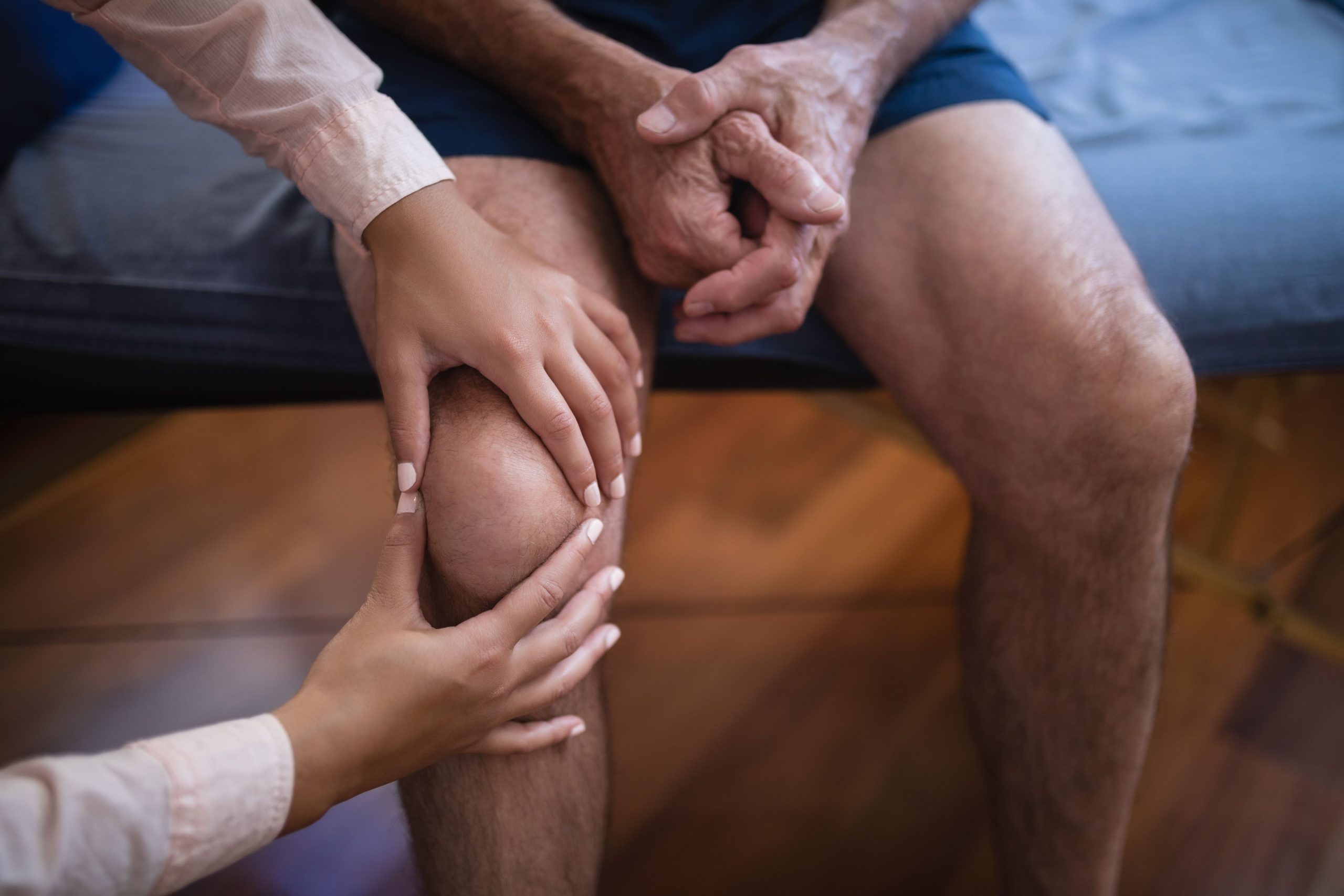
Physical examination assesses swelling, range of motion, stability, and specific structures through targeted tests. Observing how you walk and perform activities reveals biomechanical factors contributing to symptoms.
Imaging plays a selective role. X-rays show bone alignment and joint space narrowing but cannot visualise soft tissues. MRI can provide detailed images of cartilage, menisci, tendons, and ligaments when clinical findings suggest problems in these structures. Not everyone needs imaging; the decision depends on examination findings and how results might change management.
Treatment Approaches
Treatment options for stair-related knee pain range from non-invasive rehabilitation and activity modification to targeted injection therapies or surgical evaluation, depending on the underlying cause and severity.
Activity Modification
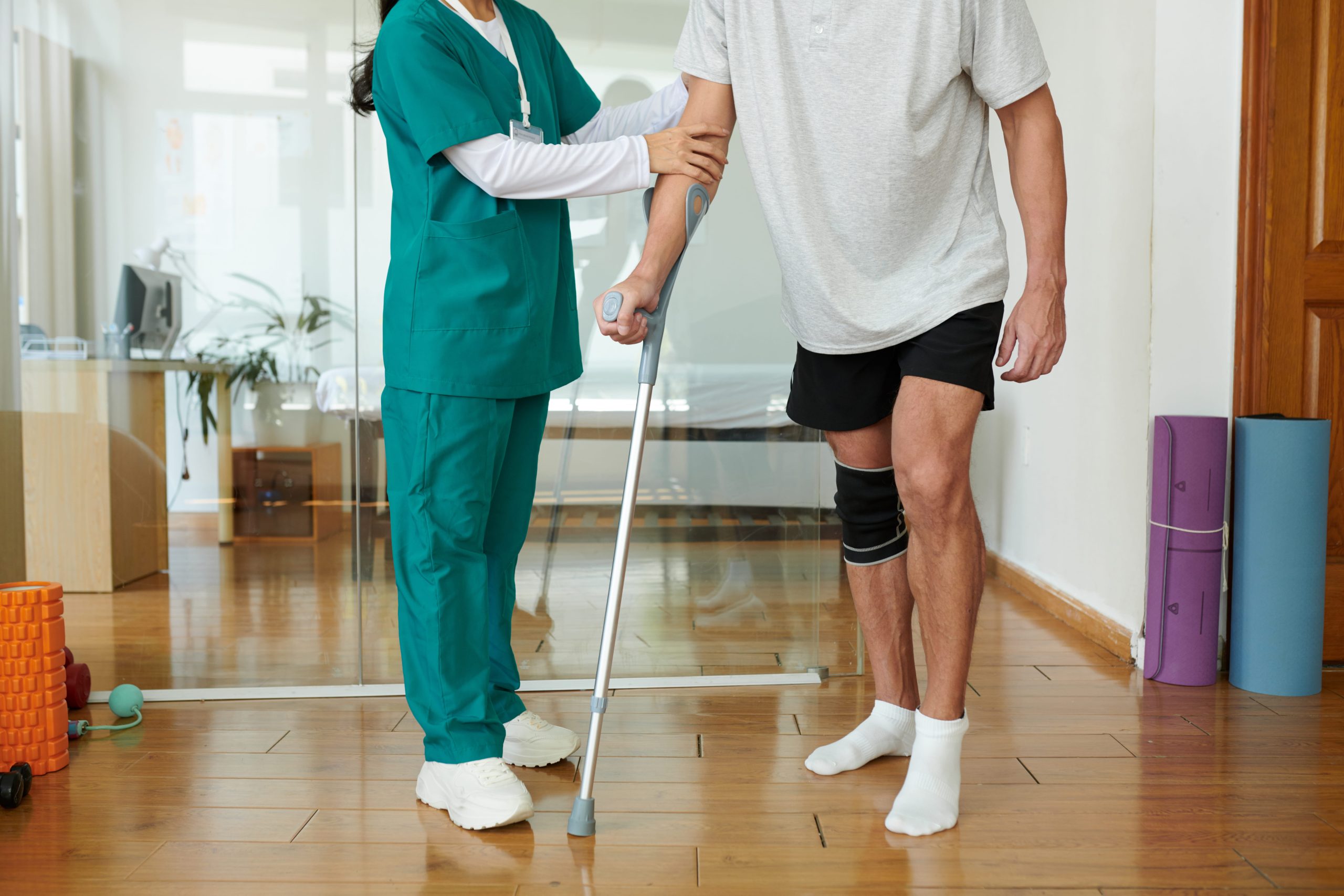
Temporarily reducing stair exposure allows irritated tissues to settle. Using handrails decreases knee loading. Taking stairs one at a time rather than alternating feet reduces the bending angle required. These modifications need not be permanent; they create conditions for healing whilst other treatments take effect.
Physical Rehabilitation
Targeted exercises form the foundation of treatment for most causes of stair-climbing knee pain. Strengthening the quadriceps improves kneecap tracking and reduces joint stress. Hip strengthening enhances lower limb control during single-leg stance phases. Flexibility work addresses tight structures contributing to abnormal mechanics.
Rehabilitation programmes should be progressive, starting at manageable levels and advancing systematically. Generic exercises help some people, but many benefit from programmes tailored to their specific deficits and movement patterns.
Pain Management Options
Anti-inflammatory medications reduce pain and swelling during acute flares, though they don’t address underlying causes. Topical preparations may help with fewer systemic effects. Ice application after aggravating activities provides relief for many conditions.
For persistent symptoms, corticosteroid injections can settle inflammation. Results vary depending on the underlying condition. Hyaluronic acid injections aim to improve joint lubrication in osteoarthritis, with variable evidence supporting their use.
Surgical Considerations
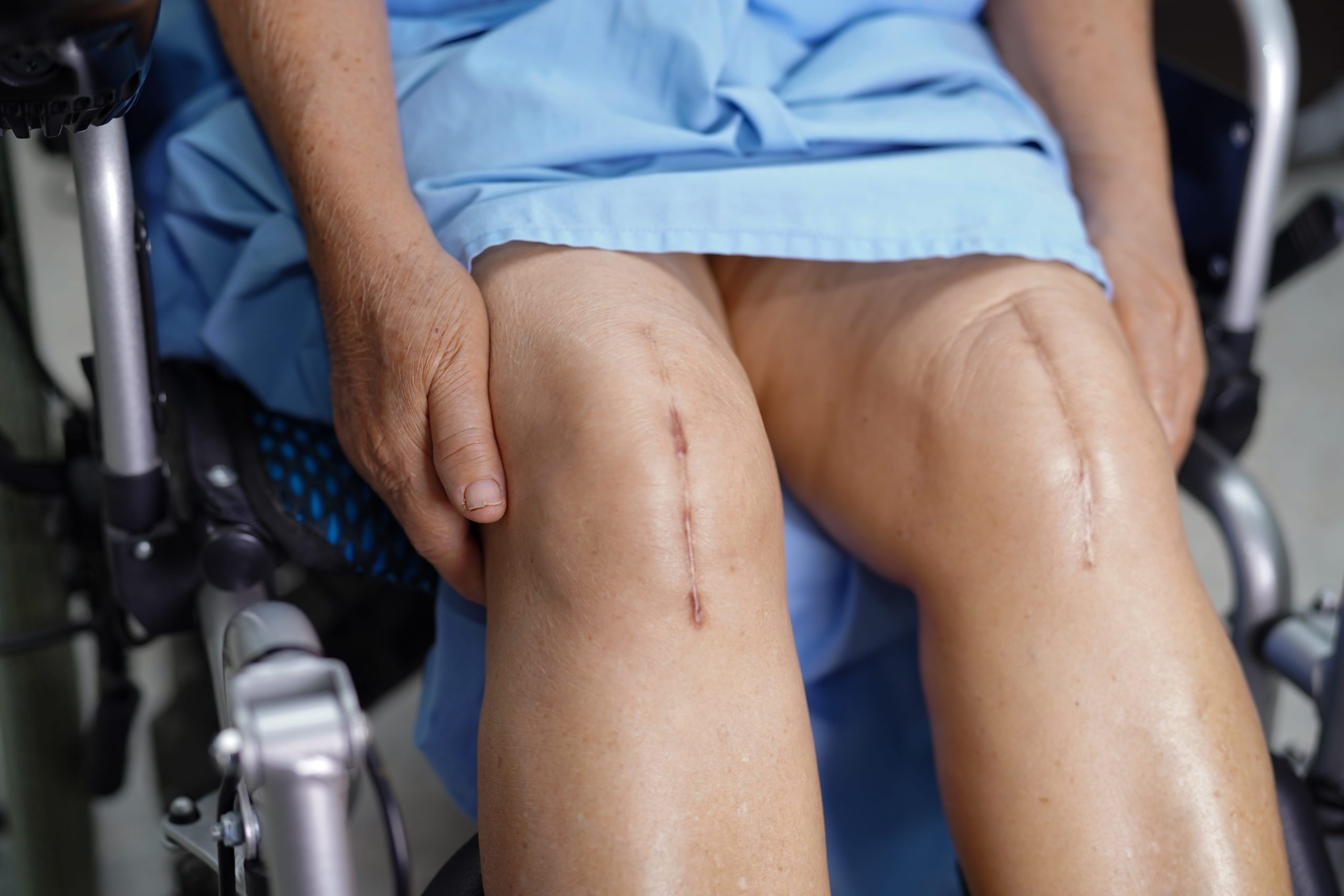
Surgery becomes relevant when conservative measures fail to provide adequate relief, or when structural problems require mechanical solutions. Arthroscopic procedures can address certain meniscus tears, remove loose bodies, and smooth damaged cartilage. Larger procedures, including realignment surgeries and joint replacement, exist for more advanced conditions.
The threshold for surgery depends on functional limitations, response to non-operative treatment, and individual circumstances. Many people with imaging abnormalities do not require surgery, provided their symptoms remain manageable with other approaches.
Practical Management Strategies
Implementing targeted self-management strategies can help reduce joint load and support knee function while addressing underlying causes.
- Strengthen before stretching: Build quadriceps and hip strength as the foundation of knee health, adding flexibility work for specifically tight structures
- Modify technique temporarily: Lead with your stronger leg going up, weaker leg going down; use handrails to reduce joint loading
- Manage body weight: Excess weight directly increases patellofemoral compression forces during stairs
- Wear supportive footwear: Shoes with good arch support and cushioning reduce stress transmitted to the knee
- Warm up before stair-heavy activities: Brief walking and gentle squats prepare the joint for loading
When to Seek Professional Help
Consulting a medical practitioner allows for a thorough evaluation and targeted guidance when persistent pain, progressive weakness, or joint instability affects your daily function.
- Pain persisting beyond two weeks despite rest and home measures
- Swelling that appears after activity or doesn’t resolve overnight
- Sensation of the knee catching, locking, or giving way
- Night pain that disturbs sleep
- Inability to fully straighten or bend the knee
- Significant pain limiting daily activities
Commonly Asked Questions
Why does going down stairs hurt more than going up?
Descending requires your quadriceps to lengthen while under load, controlling your body weight against gravity. This eccentric contraction generates higher forces across the patellofemoral joint than the concentric (shortening) contraction used for climbing up. Additionally, the kneecap compresses more firmly into its groove during descent.
Can knee pain from stairs lead to permanent damage?
Continuing painful activities doesn’t automatically cause permanent damage, but it may accelerate wear in some conditions. Pain signals that tissues are stressed beyond their comfortable capacity. Identifying the cause helps determine whether continued activity poses risks or simply causes temporary discomfort.
Should I avoid stairs completely if they hurt?
Complete avoidance isn’t usually necessary or beneficial. Reasonable exposure, potentially with modifications like handrails or a slower pace, maintains muscle strength and joint mobility. Total rest often leads to weakness and stiffness that worsen symptoms when you resume normal activities.
How long does recovery typically take?
Recovery timelines vary depending on the underlying cause. Patellofemoral pain often improves within six to twelve weeks of appropriate rehabilitation. Tendon conditions may require three to six months. Osteoarthritis is managed rather than cured, with ongoing strategies maintaining comfort and function.
Are there exercises I should avoid?
Deep squats, lunges, and leg press through full range often aggravate stair-related knee pain initially. However, these movements frequently become possible and even beneficial as strength improves and symptoms settle. Starting with limited range and progressing gradually usually proves more effective than permanent avoidance.
Next Steps
Knee pain when climbing stairs reflects specific structural or mechanical problems that usually respond to targeted treatment. The precise cause determines the appropriate intervention: patellofemoral and tendon conditions typically respond to rehabilitation, whilst meniscus tears, cartilage damage, or advanced osteoarthritis may require injection therapy or surgical evaluation. Persistent symptoms, swelling, or mechanical sensations such as catching or giving way warrant formal assessment rather than continued self-management.
If you are experiencing pain behind the kneecap, joint-line tenderness, swelling, or a catching sensation when climbing or descending stairs, an accredited orthopaedic specialist can evaluate the underlying cause and outline appropriate treatment options.