Not all ACL grafts are the same, since the tissue used to reconstruct your torn ligament directly influences your rehabilitation timeline, complication risk, and long-term knee function. ACL reconstruction replaces your torn ligament with a tissue graft that your body gradually incorporates into the knee joint.
Three main options exist: hamstring tendon autograft (from your own leg), patellar tendon autograft (also from your own leg), and allograft (donor tissue), and each carries distinct advantages and trade-offs that warrant careful consideration with your orthopaedic surgeon before surgery.
Hamstring Tendon Autograft
Hamstring autografts use the semitendinosus and gracilis tendons harvested from the inner aspect of your thigh through a small incision below the knee. These tendons are folded and bundled together, creating a four-strand graft with substantial cross-sectional area.
Harvest Site Considerations
The hamstring tendons regenerate partially over time, though complete restoration of original strength does not occur. Temporary weakness in knee flexion and internal rotation affects activities requiring deep squatting or pivoting during early rehabilitation. Functional hamstring strength typically improves over 12 to 24 months, though some subtle strength asymmetry relative to the uninjured side may persist beyond this period, particularly in high-demand athletes.
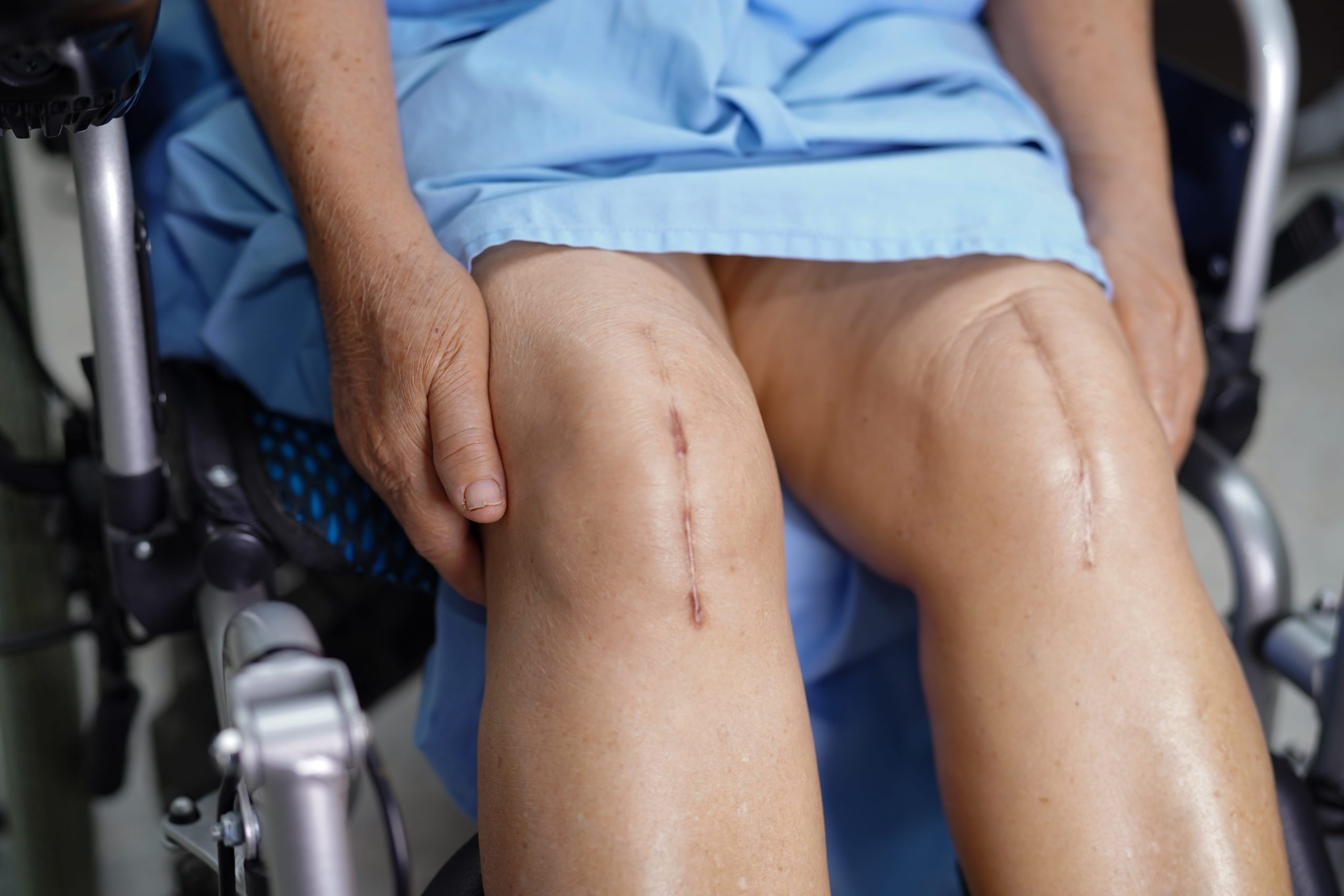
The incision site typically heals with minimal scarring and lower rates of anterior knee pain compared to patellar tendon harvest. Kneeling comfort remains preserved, making this option suitable for occupations requiring frequent kneeling.
Fixation and Integration
Hamstring grafts require secure fixation at both the femoral and tibial tunnels using suspensory devices, interference screws, or combination techniques. The soft tissue nature of hamstring grafts means they lack the bone-to-bone healing advantage of patellar tendon grafts, though modern fixation methods provide reliable stability during the biological incorporation process.
Patellar Tendon Autograft
The bone-patellar tendon-bone (BPTB) graft harvests the central third of the patellar tendon along with bone plugs from the patella and tibia. This construct offers bone-to-bone healing within the tunnels, potentially accelerating biological fixation.
Strength and Stiffness Profile
BPTB grafts provide high initial tensile strength and stiffness. The bone blocks allow rigid fixation with interference screws, creating immediate mechanical stability. Athletes in sports requiring aggressive cutting and pivoting have historically favoured this graft for its mechanical properties.
Anterior Knee Considerations
Harvest site morbidity represents the primary trade-off with patellar tendon grafts. Anterior knee pain occurs in a notable proportion of patients, particularly during kneeling, stair climbing, or prolonged sitting. The donor site defect in the patellar tendon heals with scar tissue rather than normal tendon architecture.
Patellar fracture and tendon rupture represent rare but serious complications. Patients with pre-existing patellofemoral problems, patellar tendinopathy, or occupations requiring extensive kneeling may benefit from alternative graft choices.
Allograft (Donor Tissue)
Allografts use tissue from deceased donors, processed and sterilised to reduce disease transmission risk whilst preserving mechanical properties. Available options include patellar tendon, Achilles tendon, tibialis anterior, and other soft tissue grafts.
Processing and Safety
Modern tissue banking protocols include donor screening, serological testing, and sterilisation techniques. Irradiation and chemical processing reduce immunological response and disease transmission but may affect graft mechanical properties depending on dosage and method.
The theoretical risk of disease transmission, whilst very low with current protocols, remains a consideration for some patients. Discussing tissue bank accreditation and processing methods with your surgeon provides clarity on safety standards.
Clinical Applications
Allografts eliminate harvest site morbidity entirely, with no additional incisions, no donor site pain, and no risk of harvest-related complications. Surgical time decreases without the graft harvest step, and early postoperative pain is often reduced.
Revision ACL surgery frequently employs allografts when previous autograft harvest limits options. Patients undergoing multiple knee ligament reconstructions may benefit from allografts to avoid weakening multiple structures through autograft harvest.
Age and Activity Considerations
Younger, highly active patients returning to pivoting sports demonstrate higher re-tear rates with allografts compared to autografts. The biological incorporation process differs from autograft tissue, and the graft remodelling timeline may extend longer. Patients over 40 with lower activity demands often achieve equivalent outcomes with allografts whilst avoiding harvest site issues.
Factors Influencing Graft Selection
Athletic Demands
Pivoting sports like football, basketball, and netball place substantial rotational stress on the reconstructed knee. These athletes typically benefit from autograft options, with the specific choice depending on individual anatomy and surgeon experience.
Linear activities like running, cycling, and swimming impose lower ACL demands, potentially expanding acceptable graft options. Recreational athletes with moderate activity goals may prioritise faster early recovery over theoretical long-term differences.
Age and Biological Factors
Skeletal maturity affects graft choice in adolescent patients, as certain tunnel positions and fixation methods accommodate open growth plates. Younger patients demonstrate greater healing capacity but also face longer exposure to re-injury risk given remaining years of activity.
Patients beyond middle age experience slower biological incorporation regardless of graft type. Allograft options become increasingly reasonable as activity demands typically moderate with age.
Previous Surgery and Anatomy
Prior knee surgery may limit graft availability or affect tunnel positioning. Previous hamstring harvest, patellar tendon injury, or multi-ligament reconstruction influences which structures remain viable for grafting.
Anatomical variations in hamstring tendon size occasionally yield grafts with insufficient diameter for adequate strength. Intraoperative measurement guides decisions, with backup graft plans established preoperatively.
Did You Know?
The ACL graft undergoes a process called “ligamentisation” where the transplanted tissue gradually transforms its cellular and structural composition to resemble native ligament tissue. This biological remodelling continues for 12 to 24 months after surgery, explaining why rehabilitation protocols emphasise prolonged activity modification.
Rehabilitation Implications
Early Phase Differences
Patellar tendon grafts may require modified early rehabilitation to protect the harvest site, particularly with respect to quadriceps loading and kneeling. Hamstring grafts necessitate careful progression of hamstring strengthening to avoid overloading the regenerating donor tendons.
Allograft patients often experience less early postoperative pain due to the absence of harvest sites, though rehabilitation timelines should not be accelerated based solely on comfort levels. The biological incorporation process requires similar protection regardless of initial pain levels.
Return to Sport Timelines
A minimum rehabilitation period of 9 months applies to all graft types before return to unrestricted sport. Many surgeons recommend 12 months of avoidance of pivoting sports, regardless of graft choice, as biological maturation continues beyond clinical milestone achievement.
Functional testing, including hop tests, strength assessment, and movement quality evaluation, guides return decisions more reliably than time alone. Psychological readiness and confidence in the knee also influence outcomes.
Long-Term Outcomes
Graft Survival
All three graft types demonstrate acceptable long-term survival rates when combined with appropriate rehabilitation and realistic activity expectations. Re-tear rates reflect patient factors (age, activity level, return to sport timing) as much as graft properties.
Contralateral ACL injury rates remind us that reconstruction addresses the torn knee but doesn’t eliminate ongoing injury risk. Neuromuscular training and movement quality improvements reduce bilateral injury rates.
Osteoarthritis Progression
ACL reconstruction does not prevent osteoarthritis development, though it may slow progression compared to untreated instability. Meniscal and cartilage status at the time of injury influence long-term joint health more significantly than graft choice.
Important Note:
Delaying ACL reconstruction in an unstable knee increases the risk of meniscal tears and cartilage damage from repeated giving-way episodes. If you experience ongoing instability symptoms, prompt evaluation may help prevent additional joint damage.
Making Your Decision
Your discussion with your orthopaedic surgeon should address your specific activity goals, occupational requirements, prior injuries, and personal recovery priorities. Surgeon experience with different graft types also matters, as technical proficiency affects outcomes regardless of the graft selected.
Consider preparing questions about your surgeon’s typical approach, their experience with each graft type, and their reasoning for any specific recommendation.
When to Seek Professional Help
- Knee giving way or feeling unstable during daily activities
- Persistent swelling lasting more than several weeks after injury
- Inability to fully straighten or bend the knee
- Pain preventing return to desired activities
- Previous ACL surgery with recurrent instability symptoms
Commonly Asked Questions
Does graft choice affect how long I’ll be on crutches?
Crutch duration depends more on concurrent procedures (meniscal repair, cartilage treatment) than graft type. Isolated ACL reconstruction with any graft typically allows crutch weaning within two to four weeks as quadriceps control returns and swelling subsides.
Can I change my mind about graft type before surgery?
Discussing all options during preoperative consultations allows informed decision-making. Some surgeons prepare backup graft options if intraoperative findings (like undersized hamstrings) necessitate changes. Allograft availability requires advance ordering with tissue banks.
Will I have hardware in my knee permanently?
Fixation devices (screws, buttons, or other implants) typically remain in place permanently unless they cause symptoms. Modern implants rarely require removal, though prominent hardware occasionally necessitates secondary procedures.
How do I know which graft is right for my sport?
Your surgeon considers your sport’s specific demands alongside your age, anatomy, and injury pattern. There is no single correct answer; the choice involves weighing multiple factors unique to your situation.
Next Steps
Graft selection should be carefully matched to an individual’s activity level, age, and unique anatomy. Autografts are generally preferred for younger, high-demand athletes in pivoting sports, whereas allografts remain a reasonable option for older or lower-demand individuals. Regardless of the graft type selected, returning to unrestricted sports activities requires a minimum structural progression of nine months, as true biological maturation continues well past that point. Furthermore, the overall health of the cartilage and meniscal tissues at the time of initial injury exerts a far greater influence on long-term joint health than graft choice alone.
If you are experiencing persistent knee instability, giving-way episodes, or chronic swelling following an ACL tear, a comprehensive physical examination and imaging review by an accredited orthopaedic specialist can help clarify which graft option safely aligns with your recovery expectations and physical goals.