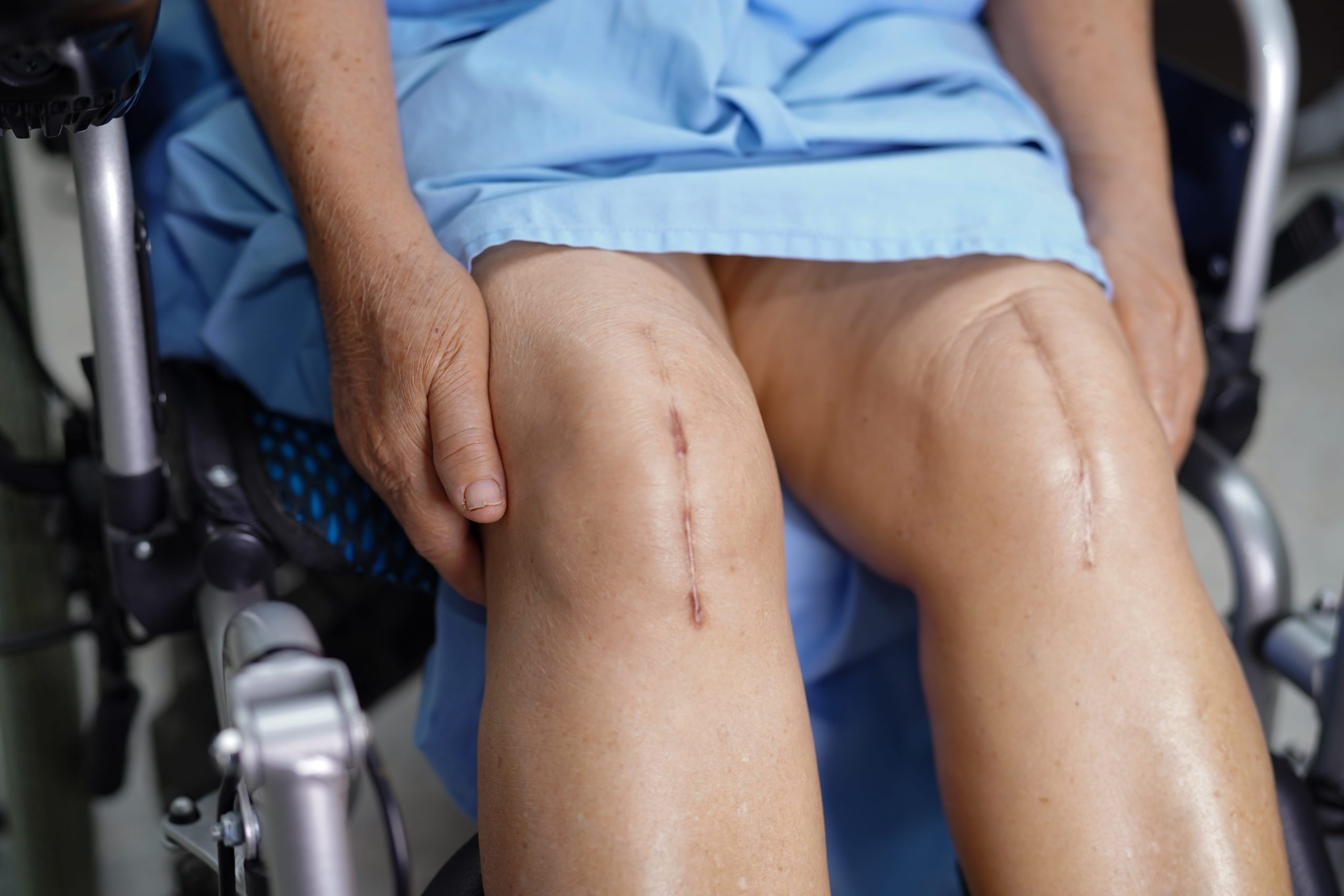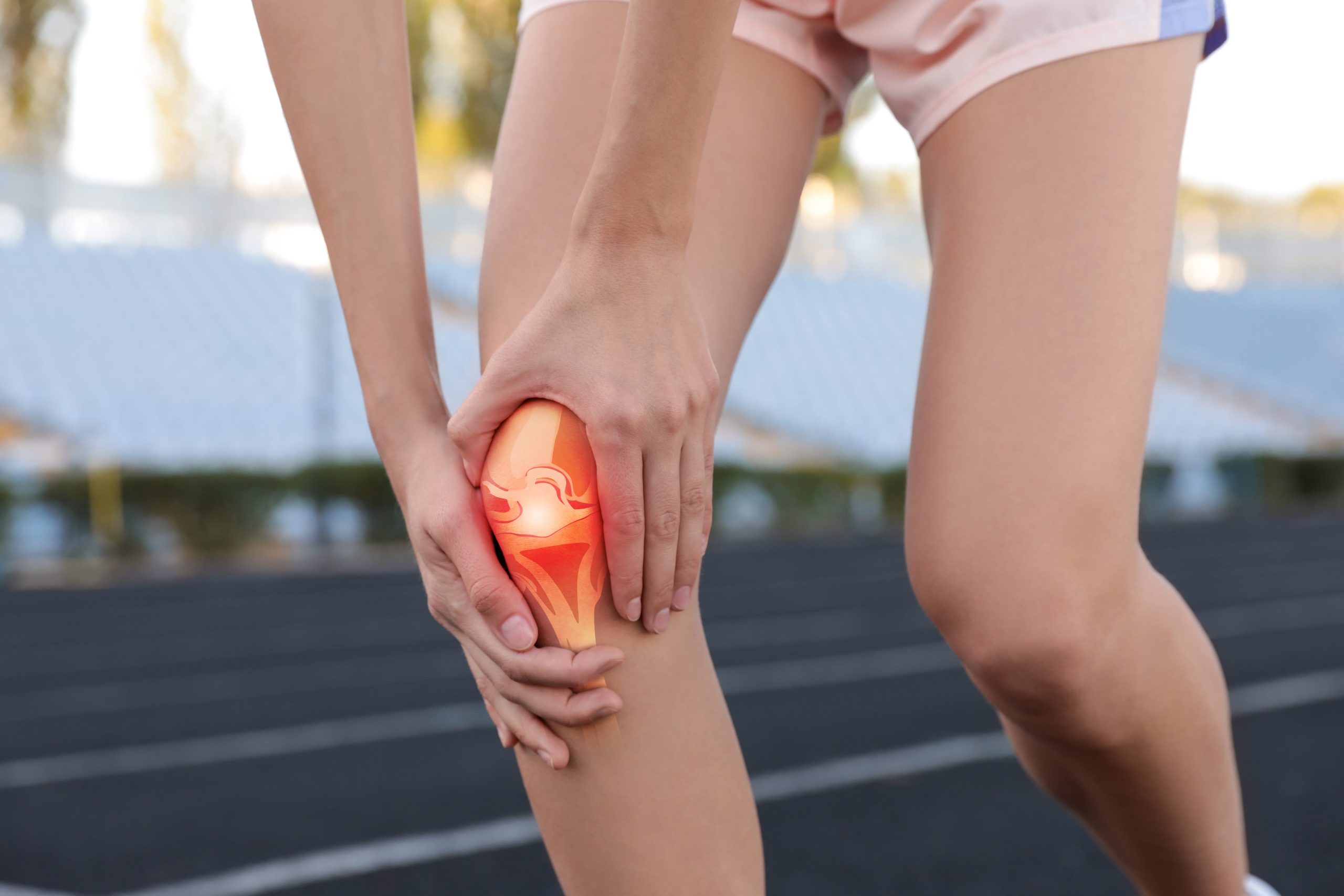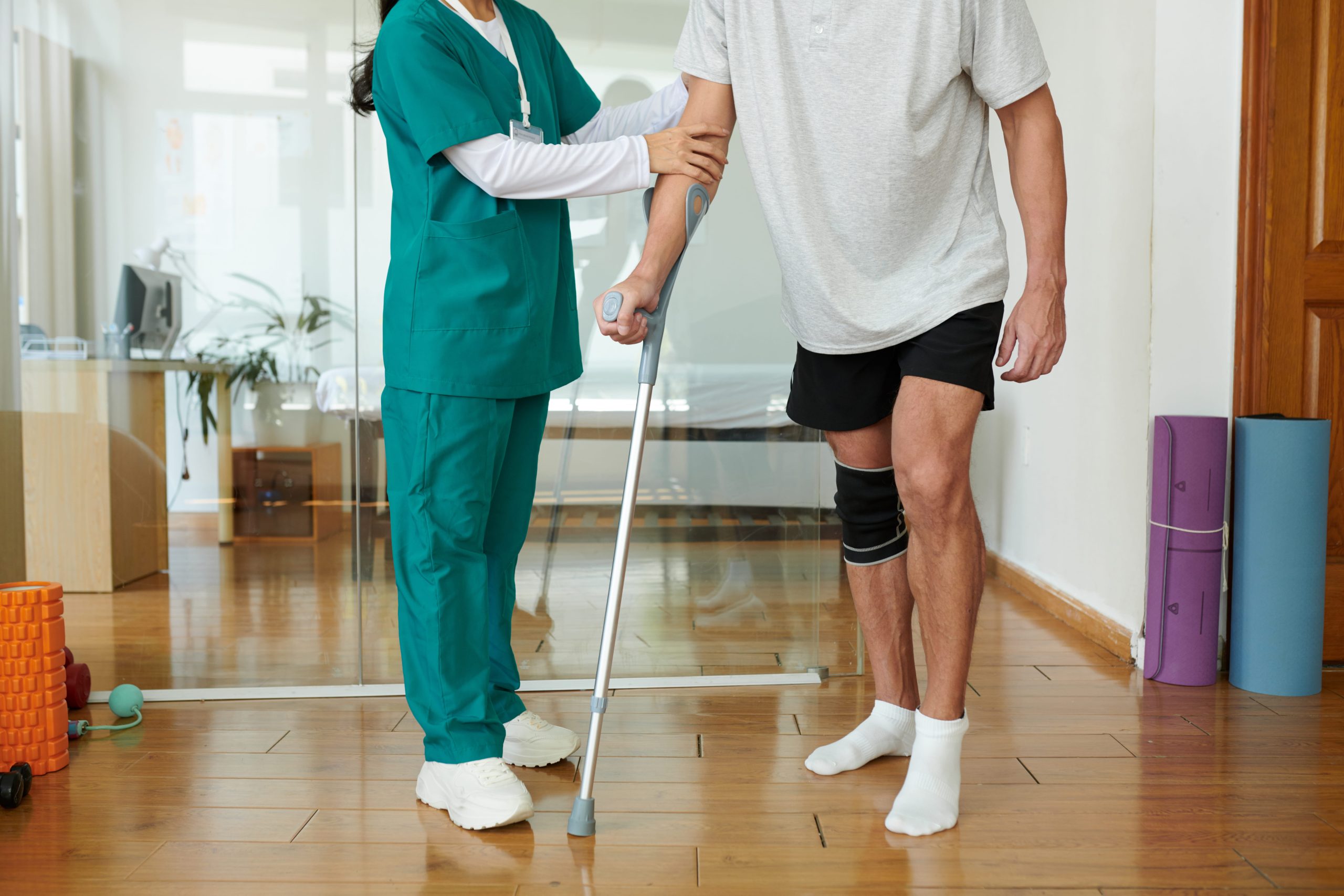
A distinct pop in your knee during a pivot or landing is a frequently reported sign that something has gone seriously wrong. Both the anterior cruciate ligament (ACL) and the meniscus are vulnerable to this type of force, and while both injuries cause pain and swelling, they occur through different mechanisms, produce distinct symptoms, and require different treatment approaches. Distinguishing between an ACL vs a meniscus tear begins with understanding how each structure functions and fails.
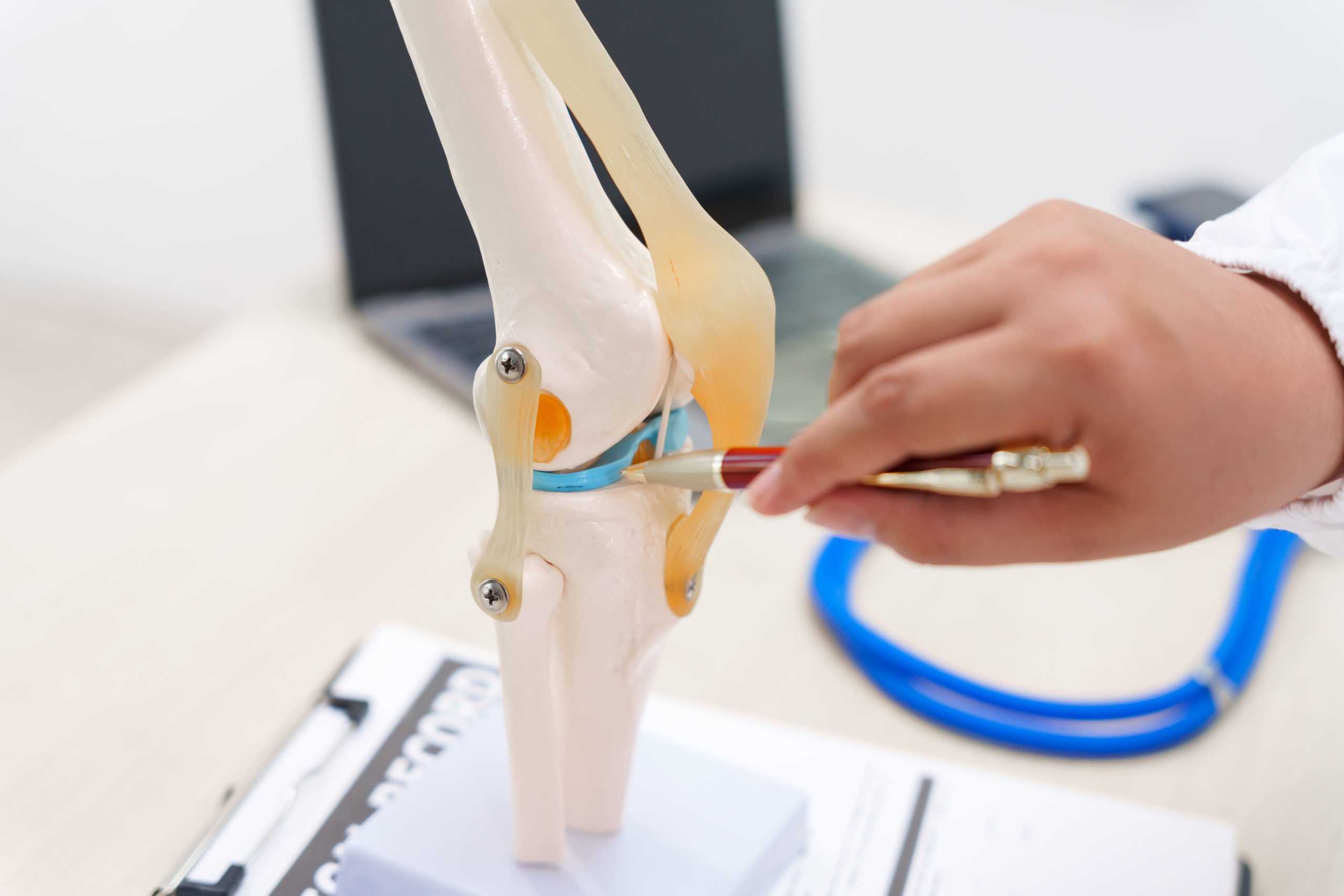
The ACL connects your thighbone to your shinbone, preventing forward sliding and rotational instability. The meniscus, a C-shaped cartilage cushion, sits between these bones, absorbing shock and distributing weight. These structures often injure together, but isolated tears present recognisable patterns that guide diagnosis and treatment decisions.
How Each Injury Occurs
ACL tears typically happen during sudden deceleration, pivoting on a planted foot, or landing from a jump with the knee nearly straight. Basketball players changing direction, footballers making sharp cuts, and netballers landing awkwardly account for many ACL injuries. The mechanism involves rotational force on a slightly bent knee, often without any contact from another player.
Meniscus tears follow two distinct patterns based on age. In younger individuals, forceful twisting while bearing weight, common in sports involving squatting and pivoting, may cause acute tears. In older adults, degenerative changes weaken the meniscus over time, allowing tears from minor movements such as rising from a chair or stepping off a kerb.
The Moment of Injury: What You May Experience
ACL Tear Presentation
Many people with ACL tears report hearing or feeling a distinct pop at the moment of injury. Immediate inability to continue activity commonly follows, with the knee feeling unstable or loose. Swelling may develop rapidly, often within the first two hours, as haemarthrosis occurs from disruption of the synovial lining and surrounding vascular structures rather than from ACL blood vessels directly, as the ACL itself has limited vascularity, particularly in its midsubstance.
Attempting to walk on an acutely torn ACL may produce a sensation of the knee giving way or buckling, particularly during any twisting motion. Initial pain can be severe but often decreases within a few days, which can create a misleading impression of recovery while instability persists.
Meniscus Tear Presentation
Meniscus tears rarely produce an audible pop. Instead, you might feel a tearing sensation within the joint or notice immediate difficulty straightening the knee fully. Swelling typically develops more gradually, often over 24 to 48 hours, and remains more localised than ACL-related swelling.
A hallmark symptom of meniscus tears is mechanical locking or catching. A torn fragment can flip into the joint space, physically blocking full extension or flexion. This differs from the instability of ACL tears. The knee may feel stuck rather than loose. Pain typically localises to the inner or outer joint line, depending on which meniscus is affected.
Pain Patterns and Location
ACL tear pain tends to spread diffusely throughout the knee and can be difficult to pinpoint with one finger. The pain may intensify with any pivoting or rotational stress and can prevent weight-bearing initially. Deep knee pain and a sensation of pressure from internal swelling characterise the first few days.
Meniscus tear pain tends to localise more precisely along the joint line, the gap between your thighbone and shinbone, felt at the inner or outer edge of the knee. Squatting, kneeling, and twisting movements may reproduce the pain consistently. Many people with meniscus tears can continue walking with moderate discomfort, unlike the immediate incapacitation that often follows ACL tears.
Did You Know? The medial meniscus (inner side) tears more frequently than the lateral meniscus because it attaches firmly to the joint capsule, limiting its ability to move away from rotational forces. Research indicates medial meniscus tears occur approximately two to three times more often than lateral tears.
Swelling Characteristics
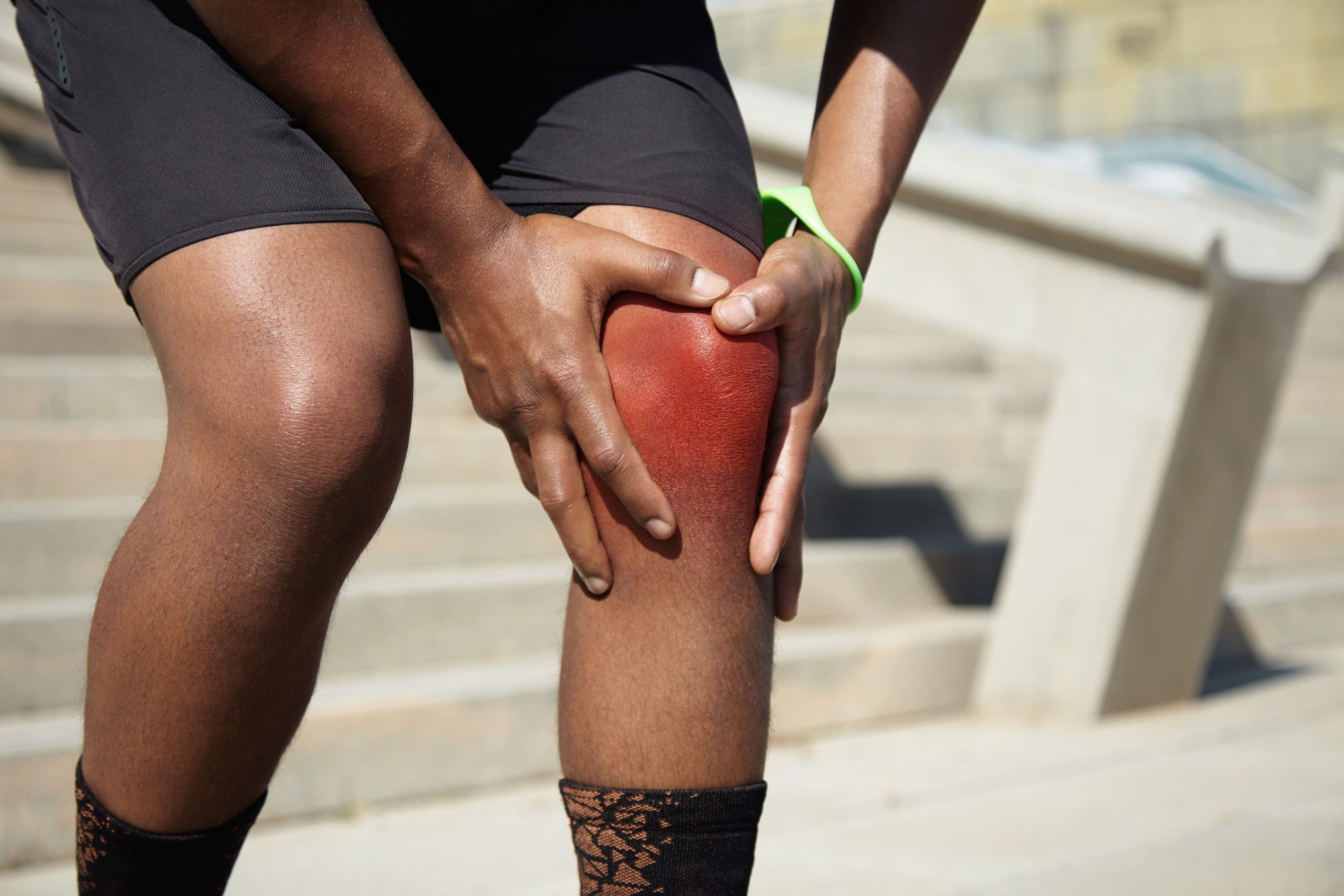
The timing and nature of swelling may help differentiate these injuries. ACL tears can cause haemarthrosis, which is bleeding into the joint from disruption of surrounding synovial and vascular structures, producing rapid, tense swelling that makes the knee feel tight and warm. This swelling may peak within hours and create visible distension of the entire knee.
Meniscus tears typically cause effusion, which is excess joint fluid rather than blood, and this accumulates more slowly. The knee may appear swollen, but it feels less tense. Chronic meniscus tears can produce intermittent swelling that worsens with activity and improves with rest, a pattern less commonly seen with ACL injuries.
Stability and Movement Tests
ACL Instability Signs
A torn ACL may create measurable instability during specific movements. Walking on uneven ground, descending stairs, or attempting any pivoting motion can reveal the knee shifting unexpectedly. The sensation differs from weakness. The muscles may work normally, but the knee can physically displace forward or rotate excessively.
Clinical tests such as the Lachman test and anterior drawer test assess this forward movement. During the pivot shift test, the knee may visibly subluxate and reduce, reproducing the giving-way sensation. These examinations, combined with MRI findings, may help confirm ACL tears.
Meniscus Mechanical Symptoms
Meniscus tears tend to produce mechanical rather than directional instability. The joint may catch, click, or lock during movement, particularly when moving from bent to straight positions. The McMurray test, performed by rotating the bent knee while extending it, can reproduce clicking and pain along the affected joint line.
Unlike ACL instability, meniscus symptoms often improve in certain positions. Finding an angle where the knee feels more comfortable may suggest meniscus involvement, as the torn fragment can move away from the weight-bearing surface.
Combined ACL and Meniscus Injuries
The ACL and meniscus frequently tear together during high-energy injuries. Landing from a jump with rotational force can damage both structures simultaneously. When this occurs, symptoms may combine: immediate pop and swelling from the ACL tear, plus catching and joint-line tenderness from the meniscus injury.
Chronic ACL deficiency may also predispose the meniscus to secondary damage. Without the ACL’s stabilising function, repetitive abnormal movement can progressively stress the meniscus. Many patients presenting with meniscus tears years after an old knee injury may have underlying ACL insufficiency contributing to ongoing damage.
Important Note: Delaying treatment for ACL tears may increase the risk of secondary meniscus damage. Each episode of instability can create new tears or extend existing ones.
Recovery Timeline Differences
ACL and meniscus injuries follow different healing paths. The ACL has limited vascularity, particularly in its midsubstance and distal portions, and complete tears do not typically heal on their own without intervention. While emerging research into primary repair techniques shows promise for selected proximal tears, reconstruction remains the current standard of care for complete ACL ruptures, causing functional instability. Some individuals with lower activity demands may manage with non-operative approaches and rehabilitation rather than surgery, though this requires careful clinical assessment.
ACL reconstruction typically requires nine to twelve months of rehabilitation before returning to pivoting sports. The graft, harvested from the patellar tendon, hamstring tendons, or a donor, must incorporate into bone and regain strength gradually. Research indicates that returning to sport before nine months following surgery is associated with a significantly higher re-injury risk.
Meniscus tears vary considerably in their recovery. Tears in the outer, blood-supplied red zone may heal with conservative treatment or surgical repair. Tears in the inner avascular white zone typically cannot heal on their own, and symptomatic tears in this region may require partial meniscectomy. Small, stable tears may cause minimal symptoms and require only temporary activity modification.
Recovery from arthroscopic meniscus surgery may span two to six weeks for simple procedures, while meniscus repair may require three to six months of protected healing. The repaired tissue needs time to develop adequate strength before normal loading resumes.
Determining Which Injury You May Have
Consider these distinguishing features when assessing your knee injury:
- Audible pop at injury: More characteristic of ACL tears
- Rapid swelling (within two hours): May suggest ACL tear with haemarthrosis
- Knee locking or catching: Points toward meniscus involvement
- Instability during pivoting: May indicate ACL insufficiency
- Joint-line tenderness: Localised pain more typical of meniscus tears
- Ability to continue activity: Often possible with meniscus tears, less commonly so with acute ACL tears
Physical examination and MRI provide a more definitive diagnosis. MRI can visualise both soft tissue structures with high accuracy, showing the extent and location of damage to guide treatment planning.
When to Seek Professional Help
- Hearing or feeling a pop during a knee injury
- Swelling that develops within hours of injury
- Knee buckling or giving way during walking or pivoting
- Inability to fully straighten or bend your knee
- Persistent catching, clicking, or locking sensations
- Joint-line pain that worsens with squatting or twisting
- Instability that prevents return to normal activities
Commonly Asked Questions
Can an ACL tear heal without surgery?
Complete ACL tears do not typically heal on their own due to the ligament’s limited vascularity and the intra-articular environment, which prevents the formation of a stable healing clot. However, not everyone requires surgery. Individuals willing to avoid pivoting sports and who maintain strong leg muscles through appropriate rehabilitation may manage adequately without reconstruction. Emerging techniques such as Bridge-Enhanced ACL Restoration show promise for selected proximal tears, though reconstruction remains the standard of care for most complete ruptures. A clinical assessment is needed to determine the most appropriate approach for your specific circumstances.
Why does my knee lock with a meniscus tear?
A torn meniscus fragment can flip into the central joint space, physically blocking movement. This true locking differs from stiffness. The knee cannot move past a certain point until the fragment displaces back to a position that no longer obstructs movement.
How accurate is MRI for diagnosing these injuries?
MRI provides detailed imaging to help evaluate ACL tears and identifies many meniscus tears. However, imaging should be interpreted alongside clinical examination. Small meniscus tears visible on MRI may not cause symptoms, while some symptomatic tears can appear subtle on imaging.
Can I damage my knee further by walking on it?
Walking on an ACL-deficient knee may risk additional meniscus or cartilage damage with each unstable episode. Meniscus tears may extend with continued activity, particularly movements involving twisting or deep bending. Both injuries may benefit from early evaluation to help prevent secondary damage.
Do both injuries require arthroscopic surgery?
Many meniscus tears respond to conservative treatment, while others may require arthroscopic repair or partial removal. ACL tears that cause functional instability typically require reconstruction, though timing depends on swelling resolution and individual patient factors.
Next Steps
ACL tears are associated with a risk of secondary meniscus damage if functional instability persists without treatment. Meniscus tears in the avascular white zone cannot heal on their own and may require surgical intervention. MRI combined with clinical examination is an established method for confirming which structure is injured and for determining the appropriate course of treatment.
If you are experiencing knee instability during pivoting, a locking or catching sensation, joint-line tenderness, or swelling that developed within hours of an injury, consult our accredited orthopaedic surgeon for an accurate diagnosis and a treatment plan specific to your condition.