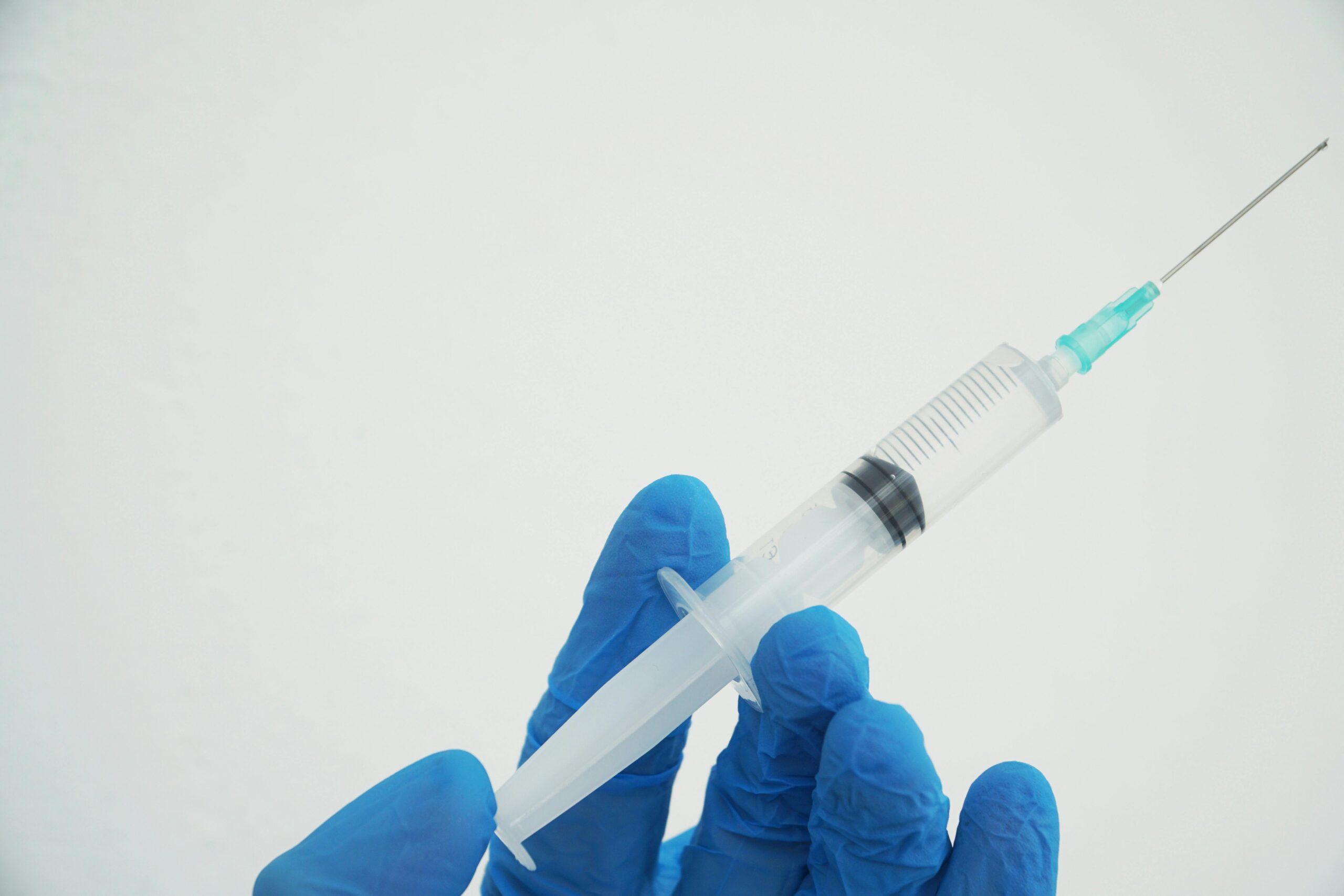
Do you struggle with knee pain that limits your daily activities despite trying medications and physical therapy? Hylan G-F 20 is a viscosupplementation injection that replaces degraded synovial fluid in arthritic knee joints. This gel-like substance, derived from rooster combs and chemically modified to enhance its properties, mimics healthy joint fluid that cushions and lubricates the knee during movement. Orthopaedic surgeons inject hylan G-F 20 directly into the knee joint space to treat osteoarthritis symptoms when conservative treatments like oral medications and physical therapy provide insufficient relief. Patients with persistent symptoms may consider knee pain treatment in Singapore.
The injection contains hyaluronan, a naturally occurring substance in joint fluid that degrades as osteoarthritis progresses. Hylan G-F 20’s molecular weight of 6 million Daltons closely matches healthy synovial fluid, providing both mechanical cushioning and biochemical benefits that hyaluronic acid injections with lower molecular weights may offer.
How Hyaluronic Acid Injections Work in Knee Osteoarthritis
Osteoarthritis causes synovial fluid to lose viscosity and elasticity, reducing its ability to protect cartilage surfaces during joint movement. Normal synovial fluid acts as both a shock absorber during high-impact activities and a lubricant during routine motion. When this fluid degrades, cartilage surfaces experience increased friction and mechanical stress, accelerating joint deterioration.
Hyaluronic acid injection addresses multiple aspects of joint dysfunction simultaneously. The injection’s viscoelastic properties provide mechanical benefits – the gel exhibits solid-like behaviour under sudden impact (protecting against shock) while flowing smoothly under steady movement (reducing friction). This dual characteristic, called rheological behaviour, distinguishes viscosupplementation from simple joint lubrication.
Beyond mechanical effects, hyaluronic acid influences cellular processes within the joint. The hyaluronan molecules interact with CD44 receptors on chondrocytes (cartilage cells), potentially reducing the production of inflammatory mediators and stimulating endogenous hyaluronic acid synthesis. These biological effects may explain why symptom relief often extends beyond the expected duration based on the injection’s residence time in the joint.
The treatment targets the patellofemoral and tibiofemoral compartments, where osteoarthritic changes are most pronounced. Unlike systemic medications that affect the entire body, hyaluronic acid injections’ localised action minimises systemic side effects while maximising therapeutic concentration at the disease site.
The Hyaluronic Acid Treatment Process
Initial Consultation and Assessment
Your orthopaedic specialist evaluates the knee joint condition through physical examination and imaging studies before recommending hyaluronic acid injection. Weight-bearing X-rays reveal joint-space narrowing, osteophyte formation, and alignment abnormalities that influence treatment decisions. MRI scanning may assess cartilage thickness, meniscal integrity, and synovial inflammation severity when X-ray findings don’t fully explain symptoms. Identified meniscal damage may require meniscus tear treatment.
The Kellgren-Lawrence grading system helps determine osteoarthritis severity: Grade 2 (definite osteophytes with possible joint space narrowing) and Grade 3 (moderate joint space narrowing with multiple osteophytes) generally respond well to viscosupplementation. Grade 4 changes with complete joint space loss often require surgical intervention rather than injection therapy.
Injection Procedure Details
Hyaluronic acid administration follows a strict aseptic technique in an outpatient setting. The standard protocol involves either three injections spaced one week apart or a single injection, depending on formulation and clinical preference.
The orthopaedic surgeon positions the knee at 20-30 degrees of flexion to optimally open the joint space. After sterile preparation with chlorhexidine or iodine solution, the injection site – typically the superolateral approach – is identified by palpating anatomical landmarks. Local anaesthetic (1% lidocaine without epinephrine) numbs the injection pathway.
Using an 18-20 gauge needle, the surgeon enters the joint space and confirms intra-articular placement by aspirating synovial fluid when present. Effusion removal before hyaluronic acid injection improves distribution and reduces dilution effects. The appropriate volume is injected slowly over 20-30 seconds to ensure even distribution.
Post-injection, gentle passive range of motion helps distribute the viscosupplement throughout the joint. Patients rest for 5-10 minutes before discharge with specific activity modification instructions.
Post-Treatment Protocol
The first 48 hours after injection, avoid strenuous activities, prolonged standing, and high-impact exercise. Ice application for 10-15 minutes every 4-6 hours manages minor swelling or discomfort at the injection site. Regular daily activities and walking are encouraged to promote the distribution of viscosupplements.
Weight-bearing exercises resume gradually after 48 hours, with swimming and cycling preferred over running initially. Physical therapy exercises focused on quadriceps strengthening and range-of-motion maintenance enhance treatment outcomes. Activity levels, including sports participation, typically resume within 1 week of the final injection.
Treatment Effectiveness and Duration
Hyaluronic acid injections provide symptom relief lasting 6-12 months in responsive patients, with peak benefit occurring 8-12 weeks after completing the injection series. Pain reduction and functional improvements in walking distance, stair climbing, and rising from seated positions occur in many treated patients.
Response predictors include:
- Mild to moderate osteoarthritis severity
- Preserved joint space on X-ray
- Absence of significant mechanical deformity
- Younger patient age
Patients with isolated medial or lateral compartment disease often experience better outcomes than those with tricompartmental involvement.
💡 Did You Know?
Hyaluronic acid’s molecular structure allows it to remain in the joint space longer than some other products, with detectable levels present up to 28 days post-injection, despite clinical benefits extending much longer through biological signalling effects.
The treatment’s disease-modifying potential remains under investigation. While not reversing structural damage, some evidence suggests that viscosupplementation may slow cartilage degradation, as MRI studies show preserved cartilage thickness in treated versus untreated knees.
Repeat injection cycles maintain effectiveness in many patients, with subsequent series providing similar duration and magnitude of relief. Regular treatment schedules help sustain symptom control while potentially delaying the need for surgical intervention.
Comparing Hyaluronic Acid Injections with Other Treatments
Versus Corticosteroid Injections
Corticosteroid injections provide rapid symptom relief within 24-72 hours, particularly beneficial for acute inflammatory flares with significant effusion. However, benefits typically last only 4-12 weeks, and repeated injections may accelerate cartilage degradation through chondrocyte apoptosis and proteoglycan depletion.
Hyaluronic acid injections offer a slower onset (4-8 weeks to peak effect) but a longer duration of action, without concerns about cartilage toxicity. The viscosupplement’s mechanical properties address the underlying lubrication deficit rather than solely suppressing inflammation. Combination protocols combining corticosteroids with hyaluronic acid leverage both treatments’ advantages in selected cases.
Versus Other Viscosupplements
Multiple hyaluronic acid products exist with varying molecular weights, concentrations, and injection schedules. Cross-linked hyaluronic acid products with high molecular weight provide different viscoelastic properties compared to linear hyaluronic acid products.
Some products offer single-injection convenience, while others require three weekly injections but use different molecular-weight formulations. Individual patient responses vary across products.
Versus Platelet-Rich Plasma
PRP therapy harvests growth factors and cytokines from the patient’s blood to potentially stimulate tissue healing. While PRP shows promise for mild osteoarthritis, preparation variability and lack of standardised protocols complicate outcome predictions. Hyaluronic acid injections offer consistent formulation and established efficacy data spanning decades of use.
Candidates for Hyaluronic Acid Injection
Hyaluronic acid injection may be considered for patients with moderate knee osteoarthritis who maintain some preserved joint space and cartilage. Active individuals wanting to continue sports or exercise programs may benefit from the injection’s lubricating properties during high-demand activities. Ligament instability may require evaluation by an ACL surgery specialist in Singapore. Those unable to tolerate NSAIDs due to gastrointestinal, renal, or cardiovascular concerns may find viscosupplementation an alternative option.
Younger patients with earlier disease stages may experience different outcomes compared to older patients, though patients with appropriate joint anatomy can still achieve benefits. Patients with lower BMI may experience different relief patterns due to varying mechanical joint stress.
Wondering if you are a suitable candidate for a hyaluronic acid injection? Contact us today to schedule a knee assessment with Dr. Dennis Ng and find out if Synvisc can help you return to your active lifestyle.
⚠️ Important Note
Hyaluronic acid injections may contain avian proteins from rooster comb extraction. Patients with egg or poultry allergies require careful evaluation and possible testing before treatment. A healthcare professional should assess individual risk factors.
Potential Side Effects and Risks
Local injection-site reactions are most common. Mild pain, swelling, or warmth at the injection site typically resolves within 48 hours with ice application and activity modification. Temporary symptom flares lasting 24-72 hours may occur as the joint adjusts to the viscosupplement volume.
Pseudoseptic reactions – sterile inflammatory responses mimicking infection – develop rarely but require differentiation from true septic arthritis. These present with significant effusion, warmth, and pain 24-48 hours post-injection. Joint aspiration revealing high white cell counts but negative cultures confirms the diagnosis. Treatment involves arthrocentesis, NSAIDs, and activity restriction.
Actual infection risk remains low with proper sterile technique. Signs include fever, progressive pain, erythema, and systemic symptoms developing 3-7 days post-procedure: orthopaedic evaluation and joint aspiration for culture, guide antibiotic therapy.
Systemic allergic reactions manifest rarely as rash, itching, or facial swelling. Anaphylaxis reports exist but remain exceptional. Pre-treatment antihistamines may benefit patients with multiple allergies or previous injection reactions.
⚠️ Important Note
Previous partial meniscectomy or ligament reconstruction doesn’t preclude hyaluronic acid injection use if adequate joint space remains. However, significant malalignment, complete cartilage loss with bone-on-bone contact, or inflammatory arthritis may indicate poor treatment candidacy. Consult with a healthcare professional to determine if this treatment is appropriate for your specific condition.
Putting This Into Practice
- Schedule your hyaluronic acid injection consultation during periods when you can modify activities for one week following injections, avoiding important athletic events or travel immediately after treatment
- Maintain quadriceps strengthening exercises before and after injection therapy – stronger muscles provide better joint stability and may support treatment outcomes
- Track your symptom levels using a pain diary or mobile app, starting two weeks before treatment to establish a baseline and monitor response patterns
- Coordinate injection timing with seasonal activity patterns – many patients prefer treatment in late spring to maximise summer activity participation
- Consider combining viscosupplementation with weight management strategies, as weight reduction can support injection outcomes
When to Seek Professional Help
- Knee pain persists despite oral medications and activity modification
- Morning stiffness lasting more than 30 minutes with difficulty initiating movement
- Swelling that doesn’t respond to ice and elevation within several days
- Catching, locking, or giving way sensations during routine activities
- Progressive difficulty with stairs, rising from chairs, or walking distances
- Night pain is disrupting sleep despite positioning adjustments
- Crepitus (grinding sensation) accompanied by pain during knee movement
Commonly Asked Questions
How quickly will I feel relief after a hyaluronic acid injection?
Initial improvement may occur within 2-4 weeks, but maximum benefit typically develops 8-12 weeks after completing the injection series. Some patients experience temporary increased stiffness for 24-48 hours immediately post-injection before improvement begins.
Can I receive a hyaluronic acid injection if I’ve already had knee surgery?
Previous arthroscopic procedures, meniscectomy, or ligament reconstruction don’t prevent hyaluronic acid injection use if adequate joint space remains. Total knee replacement candidates may use viscosupplementation to delay surgery. However, unicompartmental or total knee replacement eliminates the treatment option for that compartment.
How many times can I repeat hyaluronic acid injection treatment?
No absolute limit exists for repeat treatments. Many patients receive annual or biannual injections for years with sustained effectiveness. Your orthopaedic surgeon monitors treatment response and joint condition to determine appropriate retreatment intervals.
Can both knees be injected during the same visit?
Bilateral injections are possible but may increase overall discomfort and limit mobility immediately post-treatment. Many orthopaedic surgeons prefer treating one knee at a time, spacing bilateral treatments by 1-2 weeks for patient comfort.
Next Steps
Proper timing and patient selection determine the success of viscosupplementation. Understanding your osteoarthritis severity through imaging and considering injection therapy before cartilage damage becomes severe maximises treatment effectiveness. Combining injections with appropriate exercise and weight management provides the best outcomes.
If you’re experiencing persistent knee pain, morning stiffness, or functional limitations from osteoarthritis, an orthopaedic specialist in Singapore can evaluate whether viscosupplementation injections are appropriate for your condition.