Are you tired of knee pain limiting your favorite activities? As a leading knee pain treatment in Singapore, Autologous Protein Solution (APS) is a regenerative treatment that uses your own blood proteins to reduce knee inflammation and pain. The procedure concentrates anti-inflammatory proteins and growth factors from your blood and delivers them directly into the affected knee joint with a single injection.
APS differs from cortisone injections in that it utilises your body’s natural healing proteins rather than synthetic medications. The treatment targets inflammatory proteins, such as IL-1 and TNF-alpha, that drive cartilage breakdown in conditions like osteoarthritis. Processing 60ml of your blood yields approximately 3ml of concentrated solution containing white blood cells, platelets, and plasma proteins in therapeutic concentrations.
How APS Works in Your Knee
The APS injection delivers concentrated anti-inflammatory cytokines directly to damaged cartilage and inflamed synovial tissue. IL-1ra (interleukin-1 receptor antagonist) blocks inflammatory signals that drive cartilage degradation, while growth factors such as IGF-1 and TGF-β support tissue repair.
Your knee joint contains synovial fluid that lubricates and nourishes cartilage. In osteoarthritis, inflammatory proteins accumulate in this fluid, creating a cycle of pain and tissue damage. APS interrupts this cycle by introducing proteins that neutralise inflammation at concentrations higher than your body naturally produces.
The concentrated solution also contains anabolic growth factors that stimulate chondrocytes – the cells responsible for maintaining healthy cartilage. This is particularly beneficial for patients recovering from joint trauma or those who have undergone meniscus tear treatment.
The APS Injection Procedure
Blood Collection and Processing
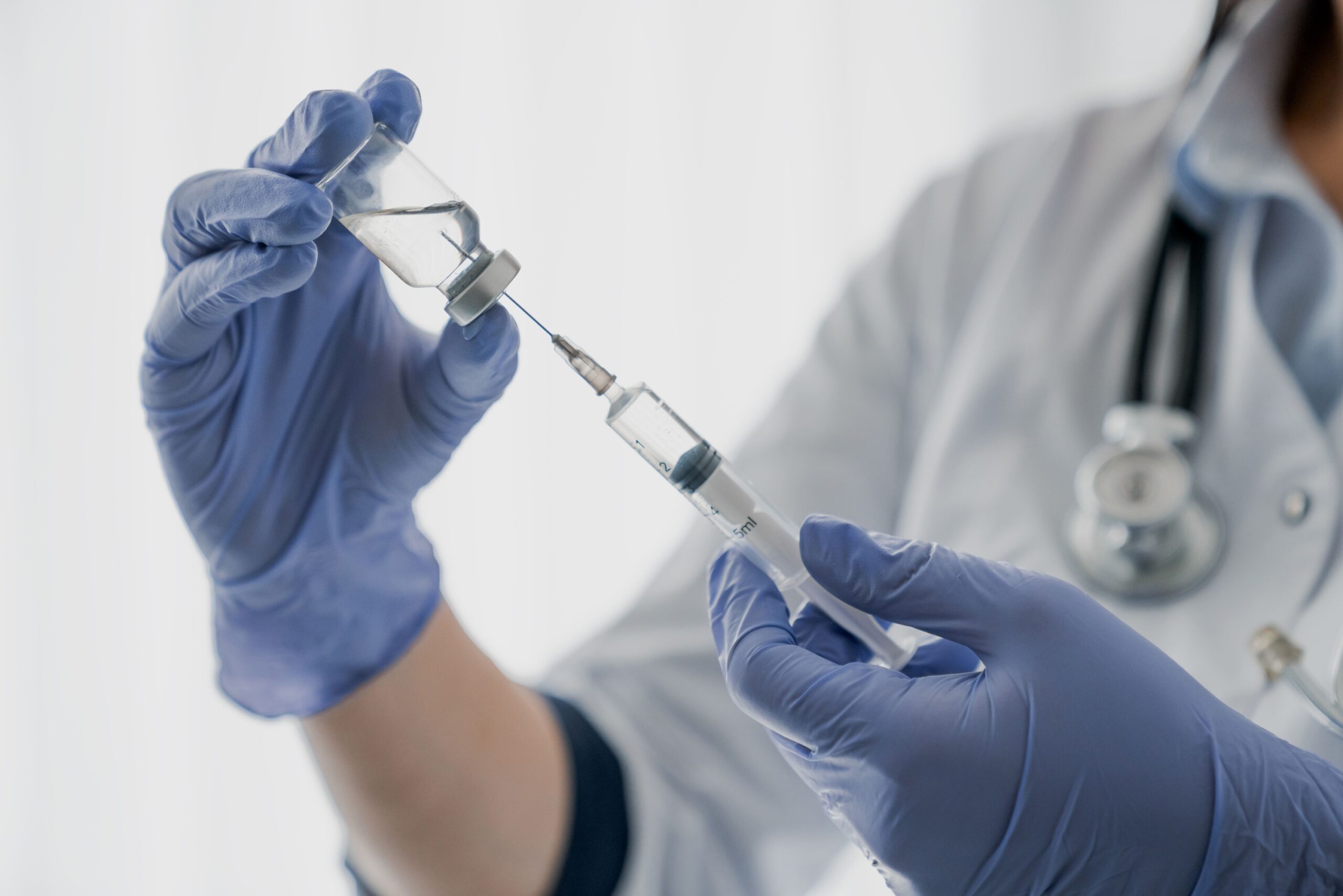
The procedure begins with drawing 60ml of blood from your arm, similar to a routine blood test. A centrifuge separates your blood components over 15 minutes, concentrating healing proteins while removing red blood cells. The APS device employs a two-step separation process, yielding approximately 3 mL of a golden-coloured solution.
Injection Technique
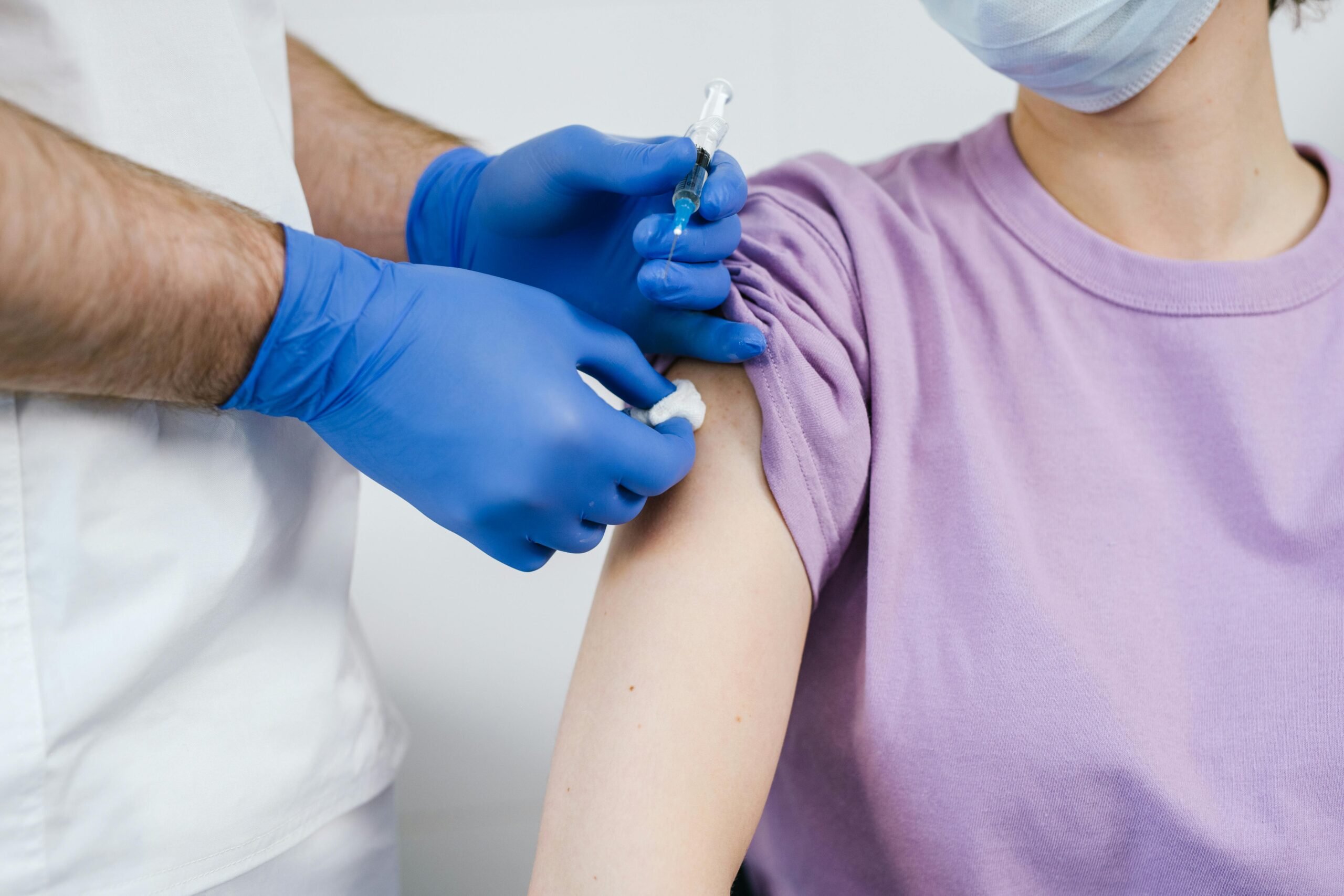
Your orthopaedic surgeon cleans the injection site with an antiseptic solution and may apply a local anaesthetic to the skin. Using anatomical landmarks or ultrasound guidance, the needle is inserted into the knee joint space through either the suprapatellar or lateral approach. The concentrated APS solution flows into the joint cavity over 10-15 seconds.
The entire procedure from blood draw to injection completion takes 30-45 minutes. You remain awake throughout, and patients may experience minimal discomfort during the injection itself.
Immediate Post-Injection Period
First 24-48 Hours
Your knee may feel full or slightly swollen immediately after the injection due to the additional fluid. Some patients experience mild warmth or aching in the treated knee lasting several hours. Applying ice in 15-minute intervals helps manage any discomfort.
Walking is encouraged immediately after the procedure, although strenuous activities should be avoided. The injected proteins begin interacting with inflammatory molecules within hours, though symptom improvement is typically slower to notice.
Activity Modifications
Avoid high-impact activities, such as running or jumping, for 48 hours after injection. Swimming and cycling can usually resume after 2-3 days if comfortable. Your healthcare professional may recommend specific exercises to maintain joint mobility without excessive stress.
Heavy lifting or prolonged standing should be minimised during the first week. Patients typically return to desk work immediately and physical occupations within 2-3 days.
Recovery Timeline and Expectations
Weeks 1-2
Initial improvements in morning stiffness and rest pain often begin during this period. The anti-inflammatory proteins reduce synovial inflammation, though significant changes remain uncommon at this early stage. Continue regular daily activities while avoiding activities that consistently worsen pain.
Range-of-motion exercises help distribute the APS solution throughout the joint. Gentle stretching and non-weight-bearing movements prevent stiffness without disrupting the healing process.
Weeks 3-6
Patients may notice progressive pain reduction and improved function during this window. Climbing stairs becomes easier, and prolonged walking causes less discomfort. The concentrated growth factors continue to stimulate tissue repair processes.
Physical therapy can begin if recommended, with a focus on strengthening the surrounding muscles. Quadriceps and hamstring exercises provide better joint support without directly stressing the injection site.
Months 2-6
Benefit typically occurs between 2 and 6 months post-injection. Patients often report sustained pain relief, improved mobility, and reduced need for oral pain medications. The anti-inflammatory effects persist as the proteins continue modulating the joint environment.
Regular activities like golf, hiking, or recreational sports often become more comfortable. Some patients experience improvements lasting 12 to 24 months after a single injection.
Comparing APS to Other Knee Injections
Versus Corticosteroids
Cortisone injections provide pain relief within 24-48 hours, and effects typically last 6-12 weeks. APS may take longer to show benefits and can provide relief for 12-24 months. Repeated cortisone injections can weaken cartilage over time, while APS uses natural proteins. A healthcare professional can help determine which option may be appropriate for your specific condition.
Versus Hyaluronic Acid
Hyaluronic acid injections require 3-5 weekly injections compared to APS’s single treatment. Both improve joint lubrication, and APS additionally addresses underlying inflammation. Hyaluronic acid works as a lubricant, while APS modulates inflammatory pathways. A healthcare professional can discuss the differences between these treatment options.
Versus PRP
Platelet-rich plasma (PRP) contains growth factors and differs from APS in its protein composition. The APS processing method enriches IL-1ra and other antagonist molecules that are absent from standard PRP preparations. Both are treatment options for knee osteoarthritis that a healthcare professional can evaluate for appropriateness.
Identifying Good Candidates
Suitable Conditions
APS injection may be considered for mild to moderate knee osteoarthritis (Kellgren-Lawrence grades 2-3). Patients with persistent pain despite conservative treatments may respond to this treatment. Those seeking to delay or avoid knee replacement surgery may experience relief.
Post-traumatic arthritis following previous knee injuries responds similarly to primary osteoarthritis. Younger patients with early cartilage damage from sports injuries—often evaluated by a dedicated sports injury specialist in Singapore—represent another suitable group.
Medical Considerations
An active knee infection excludes patients from APS treatment until it resolves. Blood disorders affecting platelet function can reduce the effectiveness of treatment. Patients on blood thinners require medication adjustment before the procedure.
Severe osteoarthritis with complete cartilage loss responds less predictably to treatment. Advanced deformity or mechanical symptoms from loose bodies need to be addressed before considering APS.
⚠️ Important Note
APS cannot regenerate completely absent cartilage or correct mechanical alignment problems requiring surgical intervention.
Potential Side Effects and Risks
Injection site soreness occurs commonly but resolves within 2-3 days. Temporary knee swelling, caused by the injected volume, affects some patients. Minor bruising at the blood draw site happens occasionally.
Knee joint infection remains rare when proper sterile technique is followed. Allergic reactions are uncommon since the injection uses your own blood proteins. Some patients experience no improvement despite technically successful injections; individual responses vary based on arthritis severity and other factors.
Transient pain flares lasting 24-72 hours affect some patients. These typically respond to rest, ice application, and simple analgesics.
What Our Orthopaedic Specialist Says
APS injections offer a middle ground between simple cortisone shots and surgical intervention. Patients with moderate arthritis who maintain an active lifestyle often achieve meaningful improvements that last well beyond traditional injections.
Appropriate patient selection is essential – those with preserved joint space and mechanical alignment tend to respond more favourably. APS may be considered when oral medications and physical therapy provide insufficient relief, but surgery seems premature.
The single injection protocol appeals to busy patients who cannot commit to multiple weekly visits. While not every patient experiences dramatic improvement, many achieve sufficient pain reduction to resume activities they had abandoned.
Putting This Into Practice
- Schedule your APS injection during a period with minimal physical demands for one week post-procedure
- Arrange transportation home after the injection, as some patients prefer not to drive immediately
- Prepare ice packs and have over-the-counter pain relievers available for the first 48 hours
- Plan gentle range-of-motion exercises starting on day 2 to support protein distribution
- Document your pain levels and function weekly to track improvement patterns
When to Seek Professional Help
- Persistent knee pain is limiting daily activities despite conservative treatment
- Morning stiffness lasting more than 30 minutes
- Difficulty with stairs or rising from seated positions
- Knee swelling that doesn’t respond to rest and ice
- Pain preventing sleep or requiring pain medications
- Previous cortisone injections provided only temporary relief
- Interest in regenerative treatments before considering surgery
Commonly Asked Questions
How long should I wait before exercising after an APS knee injection?
Light activities, such as walking, can resume immediately. Swimming and cycling can resume after 2-3 days, and impact sports can resume after 2 weeks. Your comfort level and the orthopaedic surgeon’s assessment guide the timing of specific exercises.
Can APS injections be repeated if needed?
Yes, APS injections can be repeated after 6-12 months if the initial results were favourable but the effects have diminished. Some patients receive annual injections for sustained symptom control.
Will I need to stop my arthritis medications?
Most oral medications continue unchanged. Blood thinners may require temporary adjustment. Discuss all medications with your orthopaedic surgeon during consultation.
How does APS injection compare in cost to surgery?
APS injection costs less than knee replacement surgery and requires no hospitalisation. The single injection format also reduces overall treatment costs compared to an injection series.
What happens if the injection doesn’t work?
Non-responders can still pursue other treatments, including different injection types, physical therapy, or surgical options. APS injection doesn’t prevent future treatments if needed.
Conclusion
APS injection utilises your body’s natural healing proteins to provide pain relief that lasts 12-24 months. The single-injection treatment is most effective for patients with mild to moderate osteoarthritis who have adequate joint space preservation. Success requires appropriate patient selection and realistic expectations about the 2-6 month improvement timeline.
If you’re experiencing persistent knee pain, morning stiffness lasting over 30 minutes, or difficulty with stairs, an orthopaedic surgeon can assess whether an APS injection is suitable for your condition.