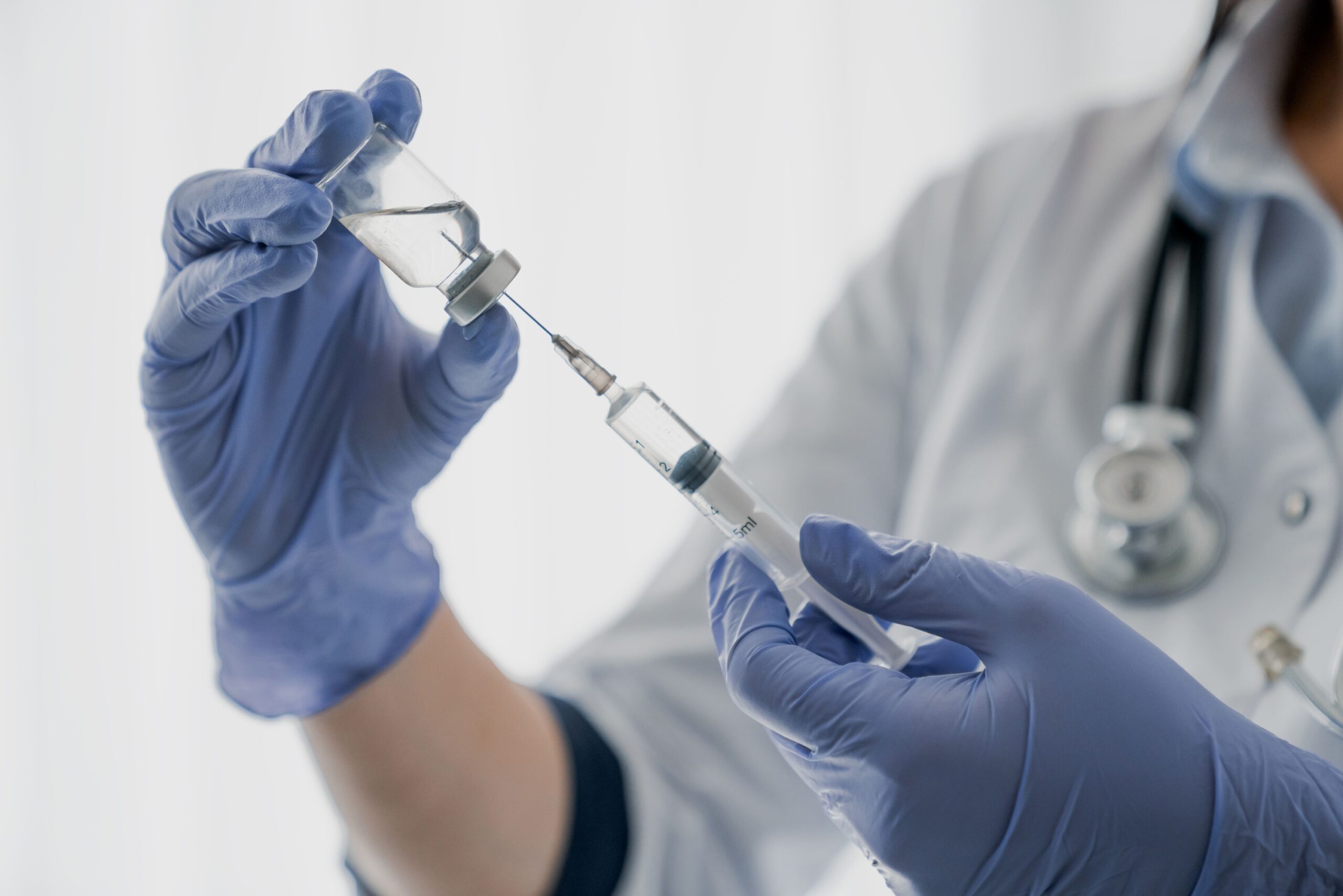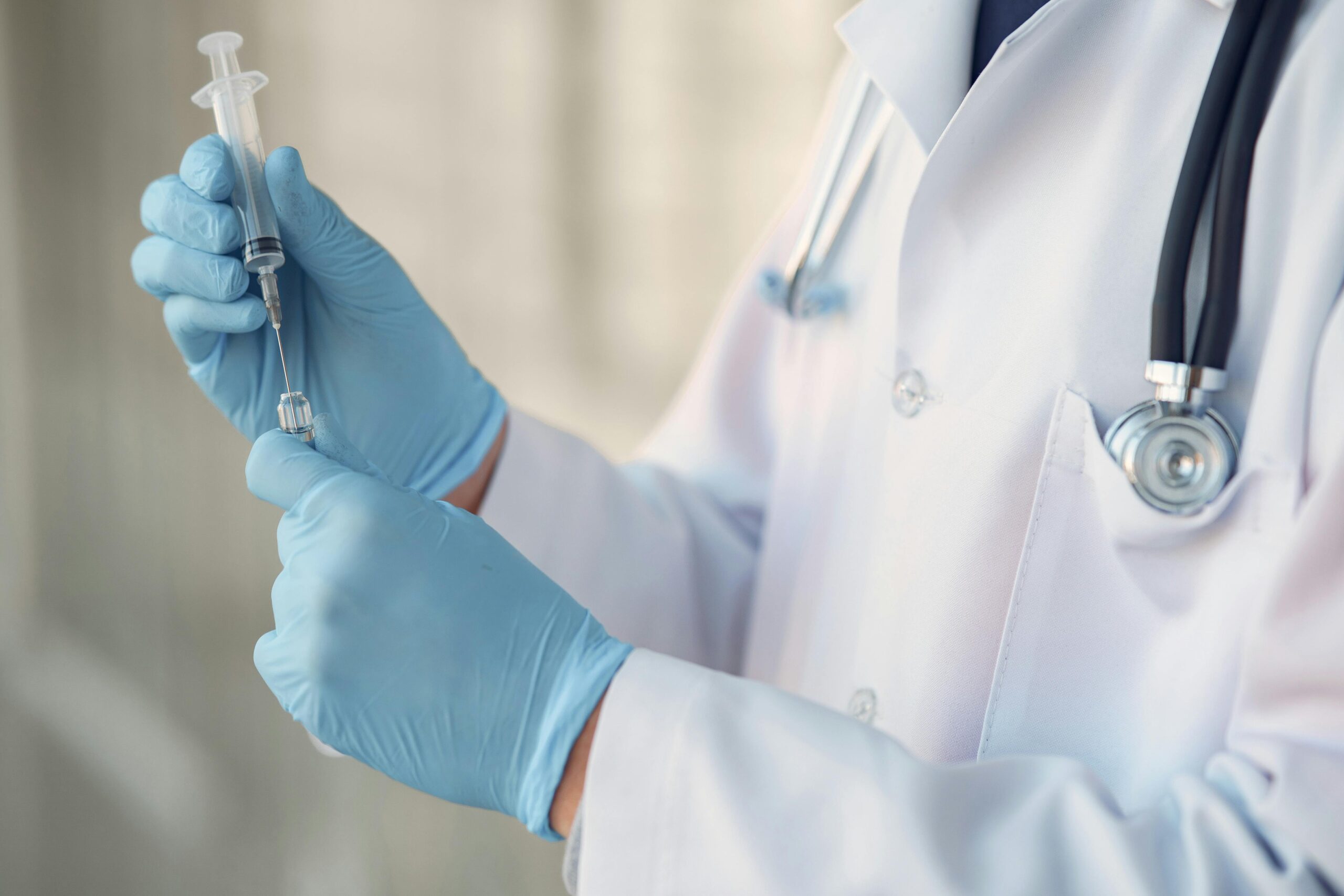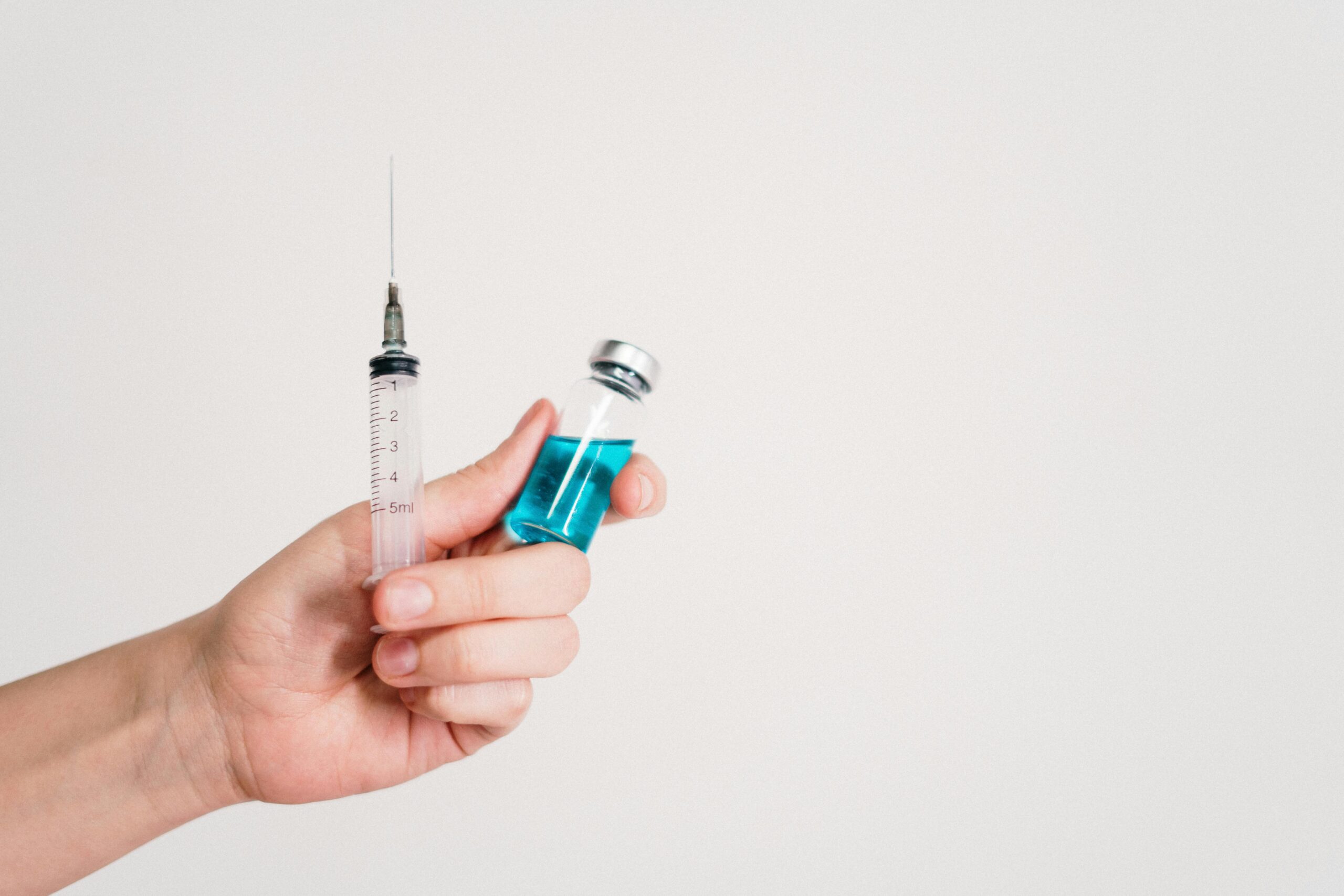
Did you know that your own blood contains healing factors that can be concentrated and injected to support tissue repair? Platelet-rich plasma (PRP) injection involves extracting your own blood, concentrating the platelets through centrifugation, and injecting this concentrated solution into an injured area. The concentrated platelets contain growth factors, including platelet-derived growth factor (PDGF), transforming growth factor beta (TGF-β), and vascular endothelial growth factor (VEGF), which may help support the body’s natural healing process. Singapore orthopaedic clinics prepare PRP using double-spin centrifugation methods, achieving platelet concentrations several times higher than normal blood levels.
The procedure takes approximately 45 to 60 minutes from blood draw to injection completion. Your orthopaedic doctor draws 30 to 60ml of blood, processes it in a centrifuge for 12 to 15 minutes, and injects the resulting 3 to 8ml of concentrated plasma into the treatment area, typically under ultrasound guidance.
How PRP Works in Tissue Healing
Platelets release growth factors within minutes of injection into an injured area. These growth factors are associated with cellular responses that may support the body’s healing process, including collagen production and the formation of new blood vessels (angiogenesis). The inflammatory phase typically peaks at 48 to 72 hours post-injection, followed by a proliferative phase that may last several weeks.
The concentrated growth factors are associated with:
- Collagen synthesis in tendon and ligament tissue
- Fibroblast recruitment supporting ligament repair
- Muscle fibre repair processes following acute strain injuries
Conditions Treated with PRP
PRP injection therapy is currently offered for a limited set of acute musculoskeletal injuries. Your orthopaedic specialist will confirm during consultation whether PRP is a suitable option for your specific condition.
Acute Muscle Injuries
Acute muscle strains, such as hamstring or quadriceps strains, may be considered for PRP injection as part of a broader treatment approach, typically once the acute inflammatory phase has begun to settle. Individual responses vary, and PRP is used alongside, not instead of, standard rest and rehabilitation.
Acute Ligament Injuries
MCL (medial collateral ligament) sprains may be considered for PRP injection at the site of maximum tenderness. The injection is generally timed for 7 to 10 days post-injury, once the acute inflammatory phase has subsided.
Acute Tendon Repair (Surgical Augmentation)
In select cases, PRP may be used to support the surgical repair of an acute Achilles tendon injury, applied at the time of surgery as part of the repair procedure. This is distinct from using PRP as a standalone treatment for longstanding tendon pain, which is not an approved use.
What Happens During Treatment
Pre-procedure preparation includes stopping anti-inflammatory medications 5 days before treatment, as NSAIDs may inhibit platelet function. The treatment area is prepared with an antiseptic solution containing chlorhexidine or iodine.
During injection, the orthopaedic specialist may use ultrasound to visualise needle placement in real time and deliver PRP to the targeted muscle, ligament, or tendon-repair site.
Post-injection care commonly includes:
- Ice application for 20 minutes every 2 hours for the first 48 hours
- Paracetamol for pain control (avoiding NSAIDs)
- Relative rest for 48 to 72 hours
- Gentle range-of-motion exercises typically starting on day 3
- A progressive loading programme beginning around week 2, guided by your therapist
Recovery Timeline and Rehabilitation
- Days 1 to 3 typically involve an inflammatory response with some increase in pain and swelling. Movement stays within a pain-free range, without stretching or strengthening exercises.
- Weeks 1 to 2 mark the early proliferative phase. Pain generally begins to decrease. Gentle stretching may begin with short holds, and light isometric strengthening may start under guidance.
- Weeks 3 to 6 often show continued tissue remodelling. Progressive resistance exercises may increase gradually, with functional movements reintroduced under monitoring.
- Weeks 6 to 12 complete the main remodelling phase for many patients. A gradual return to sport-specific or occupational activities may be possible, though tissue remodelling can continue for several months.
Did You Know?
PRP contains not only platelets but also fibrin, fibronectin, and vitronectin, proteins that form part of a biological scaffold supporting tissue repair.
Factors Affecting Treatment Success
- Age may influence growth factor concentration, with platelet counts naturally declining over time.
- Smoking may reduce platelet function and growth factor release, which can affect treatment response.
- Blood sugar control may influence growth factor signalling; optimising blood sugar levels before PRP treatment may support outcomes in patients with diabetes.
Following a structured post-injection rehabilitation programme is associated with better outcomes than an unguided return to activity.
What Our Orthopaedic Specialist Says
PRP injection is intended to support the body’s own healing process rather than simply mask symptoms, which may make it a consideration for patients seeking alternatives to corticosteroid injections in suitable acute cases.
Patient selection is important. The consultation, including a clinical and ultrasound assessment, helps determine whether an injury is a good candidate for PRP.
Compliance with the post-injection rehabilitation programme is an important factor in outcomes. Patients who follow a graduated return-to-activity plan tend to report better results than those who resume activity too quickly.
Commonly Asked Questions
How painful is PRP injection?
The blood draw feels similar to a routine blood test. The injection itself may cause moderate, short-lived discomfort, broadly comparable to a corticosteroid injection.
Can PRP be repeated if the first injection doesn’t work?
A second injection may be considered several weeks after the first if partial improvement is observed. Your doctor will reassess if there is little or no response.
What activities should I avoid after PRP?
Activity restrictions should be discussed with your healthcare professional, who can advise on appropriate timing for resuming activity based on your specific injury.
How long do PRP effects last?
Clinical improvement may vary between individuals following treatment of an acute muscle or ligament injury; your doctor can discuss what to expect for your specific case.
Putting This Into Practice
- Schedule your PRP injection during a period when you can modify activities for several weeks, avoiding important competitions or work deadlines
- Arrange transportation for treatment day, as driving immediately after the injection may be uncomfortable
- Prepare ice packs and paracetamol at home before your appointment
- Track your symptoms to help guide your rehabilitation progression
- Follow the rehabilitation plan recommended by your healthcare professional, rather than accelerating your return to activity
When to Seek Professional Help
- Persistent pain after an acute injury that isn’t improving with initial care
- Recurrent muscle or ligament injuries in the same area
- Swelling that persists beyond 72 hours post-injury
- Failed conservative treatment for an acute muscle or ligament injury
Conclusion
PRP injection uses concentrated growth factors derived from your own blood to support the body’s healing process following certain acute muscle and ligament injuries, or as an adjunct during select acute tendon repair surgery. Treatment suitability depends on proper patient selection and adherence to a post-injection rehabilitation plan.
If you’re experiencing an acute muscle strain or ligament sprain, an orthopaedic specialist can evaluate your condition and determine if a PRP injection is a suitable option.