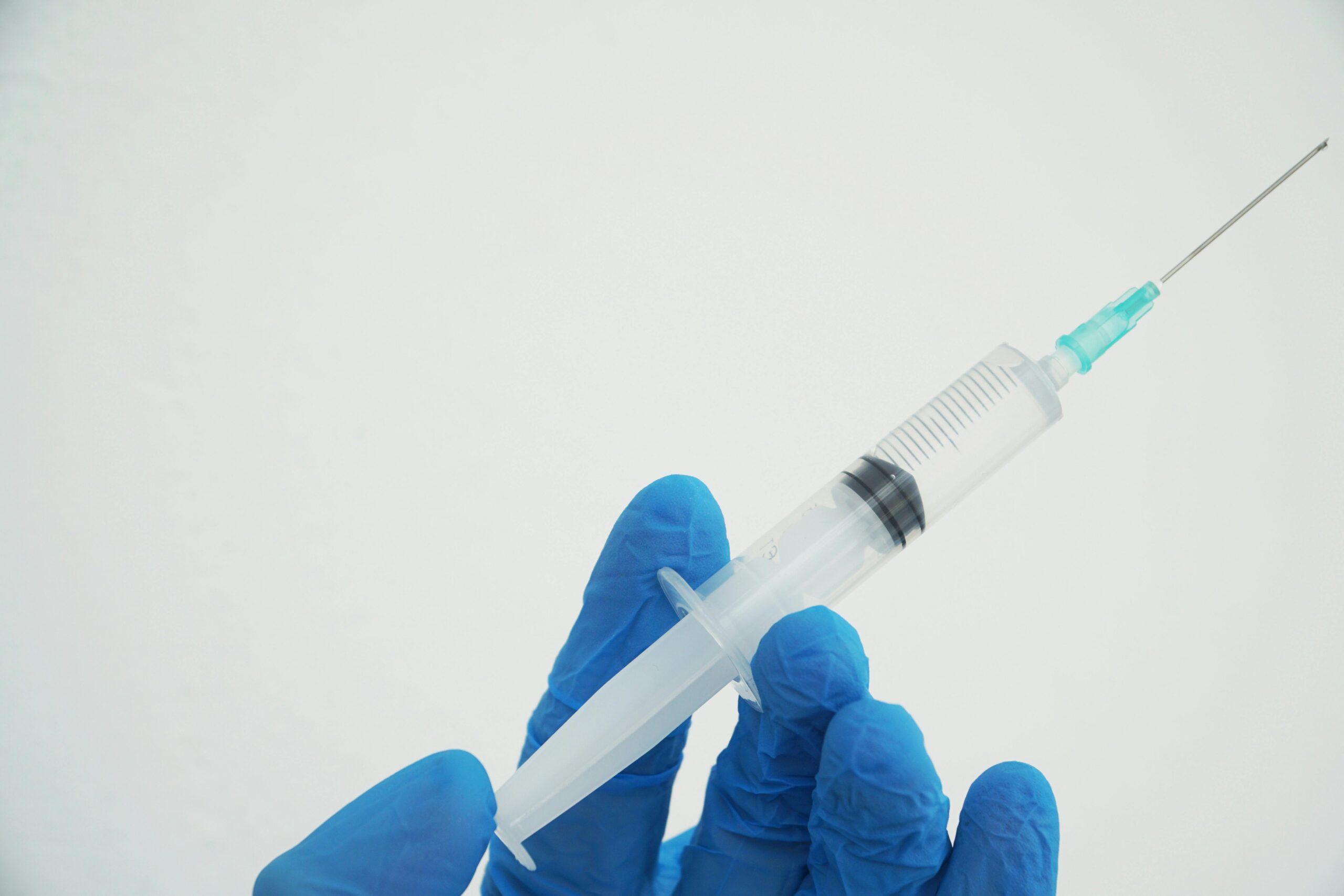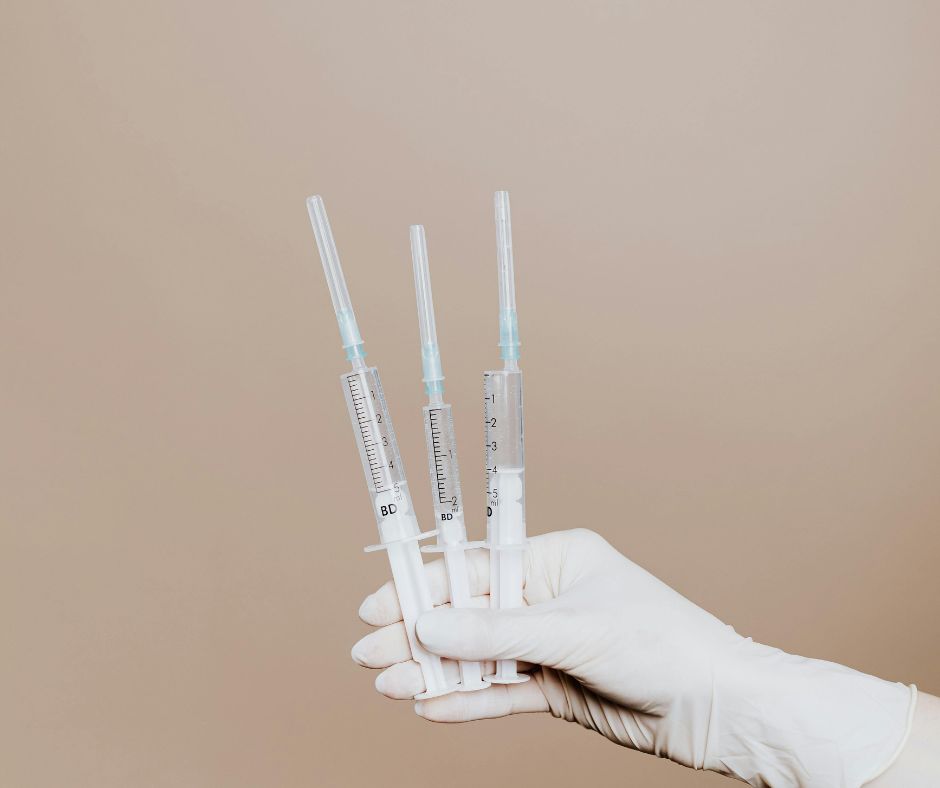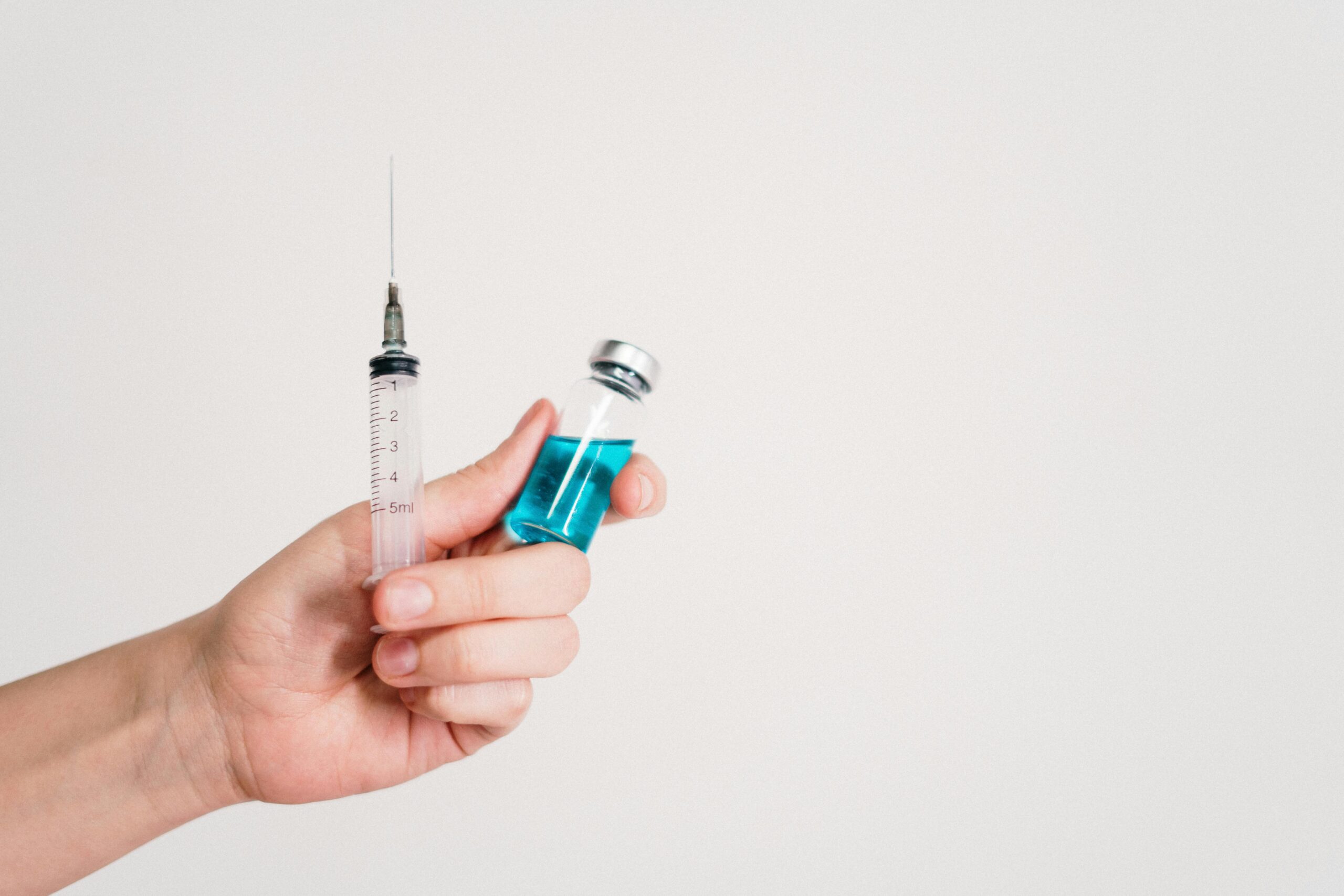
Does your knee pain limit your daily activities despite trying multiple treatments? Hyaluronic acid injections typically provide relief from knee osteoarthritis for up to 6 months, although individual responses vary from 4 to 8 months. This hyaluronic acid treatment supplements your knee’s natural joint fluid, which deteriorates with osteoarthritis, causing bone-on-bone friction and pain. The injection’s gel mimics the properties of healthy synovial fluid, providing both cushioning and lubrication that your damaged joint lacks.
Hylan G-F 20 contains cross-linked hyaluronic acid molecules that resist breakdown longer than standard hyaluronic acid injections. Your body gradually metabolises the injected gel while the treatment stimulates your knee’s own hyaluronic acid production. The dual mechanism explains why pain relief often extends beyond the physical presence of the gel in your joint.
Treatment involves either a single 6mL injection or three 2mL injections spaced one week apart. Both formulations contain the same active ingredient and demonstrate a similar duration of effect.
Key Takeaways
- Synvisc and other hyaluronic acid injections commonly provide knee osteoarthritis relief for up to around 6 months, though individual responses may vary.
- Some patients notice relief earlier, while maximum benefit is often described later in the treatment timeline.
- How long relief lasts can depend on cartilage condition, inflammation, body weight, activity level, and previous knee injuries.
- If pain returns early, swelling occurs, or walking becomes difficult, an orthopaedic review can help determine whether repeat injection or another treatment is more appropriate.
Duration and Effectiveness Timeline
Pain relief from hyaluronic acid injections follows a predictable pattern. Initial improvement typically begins 2-4 weeks after completing treatment, as the gel integrates with existing joint fluid and inflammation decreases. The maximum benefit occurs between weeks 8 and 12, when patients report the most significant reduction in pain and stiffness.
The therapeutic effect plateaus through months 3-5, maintaining consistent symptom control. Many patients experience a gradual return of symptoms starting around month 6, although some maintain partial benefit beyond this timeframe. Your pre-injection activity level, knee joint condition, and body weight influence how long relief persists.
Clinical response varies significantly between individuals. Patients with mild to moderate osteoarthritis generally experience longer-lasting relief than those with severe joint degeneration. X-ray findings showing preserved joint space correlate with extended treatment duration. Conversely, bone-on-bone arthritis with complete cartilage loss responds less predictably.
Younger patients often report longer benefit duration compared to older individuals. This age-related difference likely reflects better overall joint health and more robust healing responses in younger tissues. Activity modification during the treatment period also affects longevity – patients who avoid high-impact activities while maintaining regular low-impact exercise report sustained benefits.
Factors Affecting Treatment Longevity
Your knee’s structural condition directly impacts how long a hyaluronic acid injection lasts. Knees with partial cartilage preservation respond more favourably than those with exposed bone surfaces. MRI findings of intact menisci, minimal bone marrow oedema, and absence of loose bodies predict extended treatment duration.
Body weight significantly influences injection longevity. Patients with lower BMI typically experience longer-lasting relief compared to those with higher BMI.
Concurrent medical conditions affect treatment response. Diabetes mellitus accelerates hyaluronic acid breakdown via glycation, potentially reducing its duration of action. Inflammatory arthritis (rheumatoid arthritis, psoriatic arthritis) creates a hostile environment for viscosupplementation, limiting its effectiveness. Well-controlled gout and stable metabolic conditions support longer-lasting results.
Previous knee injuries alter treatment dynamics. Prior ACL tears, meniscectomies, or fractures change joint biomechanics, affecting how the injected gel distributes and functions. Knees with surgical hardware may experience shorter benefit duration due to altered joint mechanics and potential inflammatory responses to metal implants.
💡 Did You Know?
Cross-linked hyaluronic acid’s molecular weight (6,000 kDa) exceeds natural hyaluronic acid (500-2,000 kDa) by threefold, creating a more viscous gel that resists enzymatic breakdown and provides longer-lasting joint protection.
Repeat Treatment Considerations
Repeat hyaluronic acid injections become appropriate when symptom relief diminishes to levels that are no longer functional. Most orthopaedic specialists recommend waiting until pain returns to pre-treatment severity levels before repeating injections. This approach prevents unnecessary treatments while maintaining quality of life.
Clinical evidence supports repeat treatments at 6-12 month intervals, with some patients receiving multiple courses annually. Some individuals successfully extend intervals between treatments through complementary therapies.
Treatment effectiveness may change with repeated courses. Initial responders maintain similar benefit duration through multiple treatment cycles. However, some patients experience diminishing returns after multiple treatment courses, suggesting alternative therapies might become necessary.
Sequential treatment planning requires monitoring specific indicators:
- Document pain scores
- Walking distance
- Stair-climbing ability
- Morning stiffness duration
These metrics help determine optimal retreatment timing and identify when viscosupplementation no longer provides adequate benefit.
⚠️ Important Note
Hyaluronic acid injections may contain avian proteins from rooster combs. Patients with egg allergies require allergy testing before treatment, as severe allergic reactions, though rare, can occur within hours of injection.
Optimising Treatment Benefits
Post-injection care may impact treatment longevity. Rest your knee for 48 hours after the injection, avoiding prolonged standing, jogging, and lifting more than 10 pounds. This initial rest period allows the gel to evenly distribute throughout the joint space, preventing displacement from excessive motion.
Physical therapy starting week 2 post-injection may enhance and extend benefits. Quadriceps strengthening reduces knee joint loading by improving shock absorption. Range-of-motion exercises prevent adhesions and maintain the distribution of the gel. Proprioception training improves joint stability, reducing mechanical stress that degrades the injected material.
Maintaining a healthy weight throughout the treatment period may help preserve the injection’s benefits. Weight loss reduces knee loading during walking. Dietary modifications emphasising anti-inflammatory foods (such as omega-3 fatty acids and antioxidants) support joint health. Swimming and water aerobics offer cardiovascular exercise with minimal joint impact.
Adjunctive treatments may complement hyaluronic acid therapy. Oral glucosamine/chondroitin supplements may support cartilage health, though evidence remains mixed. Topical anti-inflammatory gels provide symptom control without systemic effects. Knee bracing during activities redistributes joint forces, protecting the treated area.
Activity modification strategies may help preserve the benefits of treatment. Replace running with cycling or elliptical training. Use hiking poles for walking on uneven terrain. Modify squatting techniques or use assistive devices for low activities. These adaptations reduce mechanical stress while allowing individuals to maintain active lifestyles.
What Our Orthopaedic Specialist Says
Hyaluronic acid injections work when administered in knees with remaining cartilage that can still benefit from improved lubrication. Patients presenting with Kellgren-Lawrence grade 2-3 osteoarthritis show responses, while grade 4 changes often require concurrent treatments or surgical consideration.
Treatment timing matters. Administering hyaluronic acid injections during acute inflammatory flares reduces effectiveness. Healthcare professionals may recommend controlling inflammation with medications or aspiration before viscosupplementation.
The injection technique influences the duration of benefit. Image-guided injections ensure accurate intra-articular placement, particularly in knees with effusions or osteophytes. Proper needle placement prevents extra-articular injection, which provides no therapeutic benefit and may cause local reactions.
Putting This Into Practice
- Schedule your injection during a period when you can rest for 48-72 hours afterwards, avoiding work obligations or travel that require extensive walking or standing
- Begin quadriceps strengthening exercises 2 weeks post-injection using resistance bands or wall sits, performing three sets of 10-15 repetitions daily to support joint stability
- Track your symptom response using a daily pain diary, noting morning stiffness duration, walking tolerance, and pain medication use to identify when retreatment becomes necessary
- Modify high-impact activities by substituting swimming, cycling, or yoga for running and jumping sports during the treatment period
- Maintain a knee-friendly weight through portion control and low-impact cardiovascular exercise, aiming for gradual, sustainable changes rather than rapid weight loss
When to Seek Professional Help
- Knee pain persists or worsens 4 weeks after injection completion
- Swelling, redness, or warmth develops at the injection site
- Fever or chills occur within days of treatment
- Mechanical symptoms like locking or giving way develop
- Night pain disrupts sleep despite conservative measures
- Walking distance decreases to less than one block
- Stiffness prevents normal daily activities
- The previous injection provided less than 3 months of relief
Next Steps
Treatment duration varies based on joint condition and body weight. Proper injection technique and post-treatment care, including exercise and weight management, enhance benefits. Most patients require repeat treatments at 6-12 month intervals for sustained relief.
If you’re experiencing knee pain or joint stiffness, or if previous injection benefits have worn off, a dedicated knee specialist in Singapore can assess your condition and determine the appropriate timing of treatment.

CONSIDERING SYNVISC FOR KNEE PAIN?
Book a Personalised Knee Osteoarthritis Assessment
Synvisc treatment results vary depending on your arthritis stage, inflammation, joint condition and individual health factors. Book a consultation with Dr Dennis Ng to assess your knee condition and determine whether Synvisc or another treatment option may be suitable for you.
Book a Knee Assessment