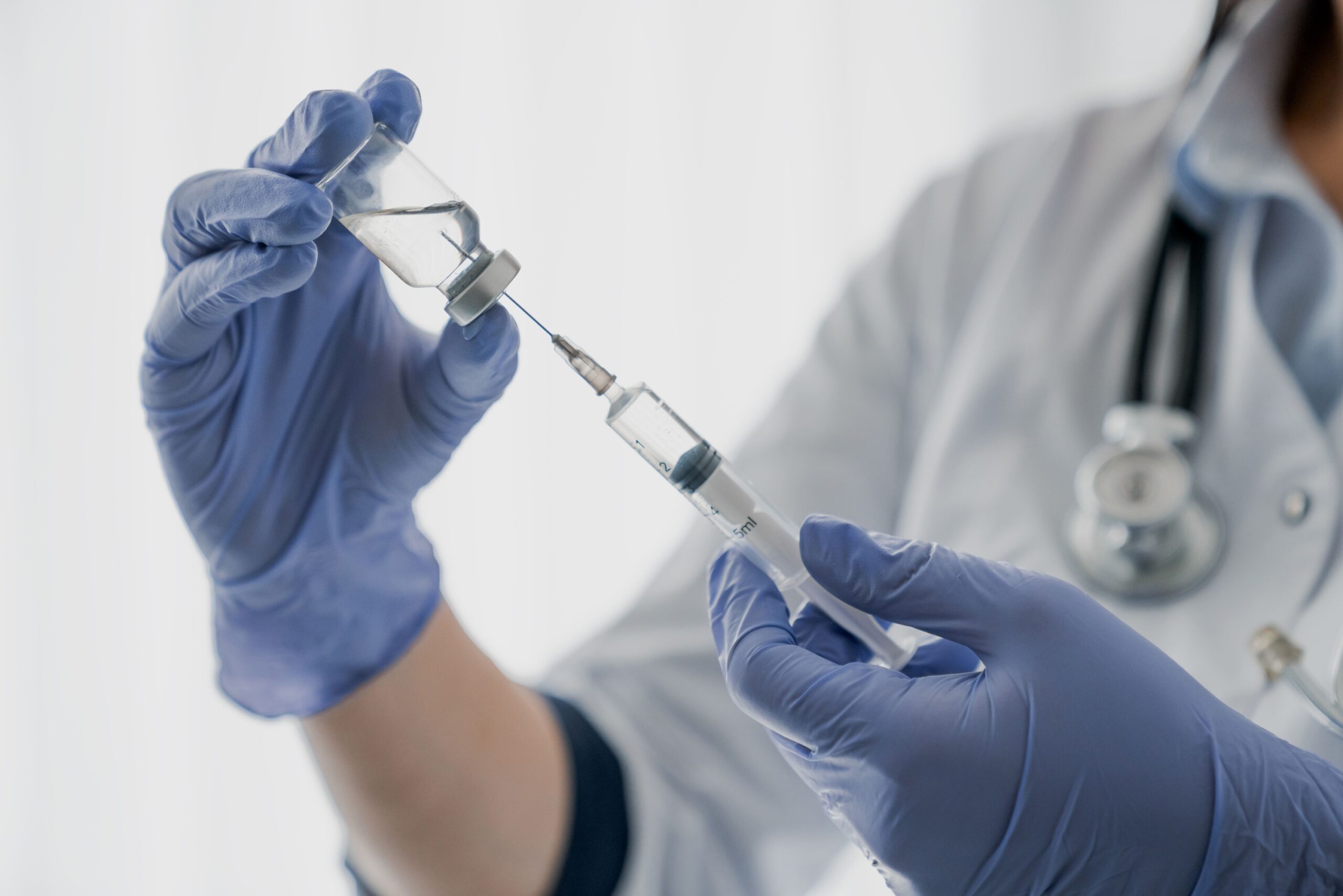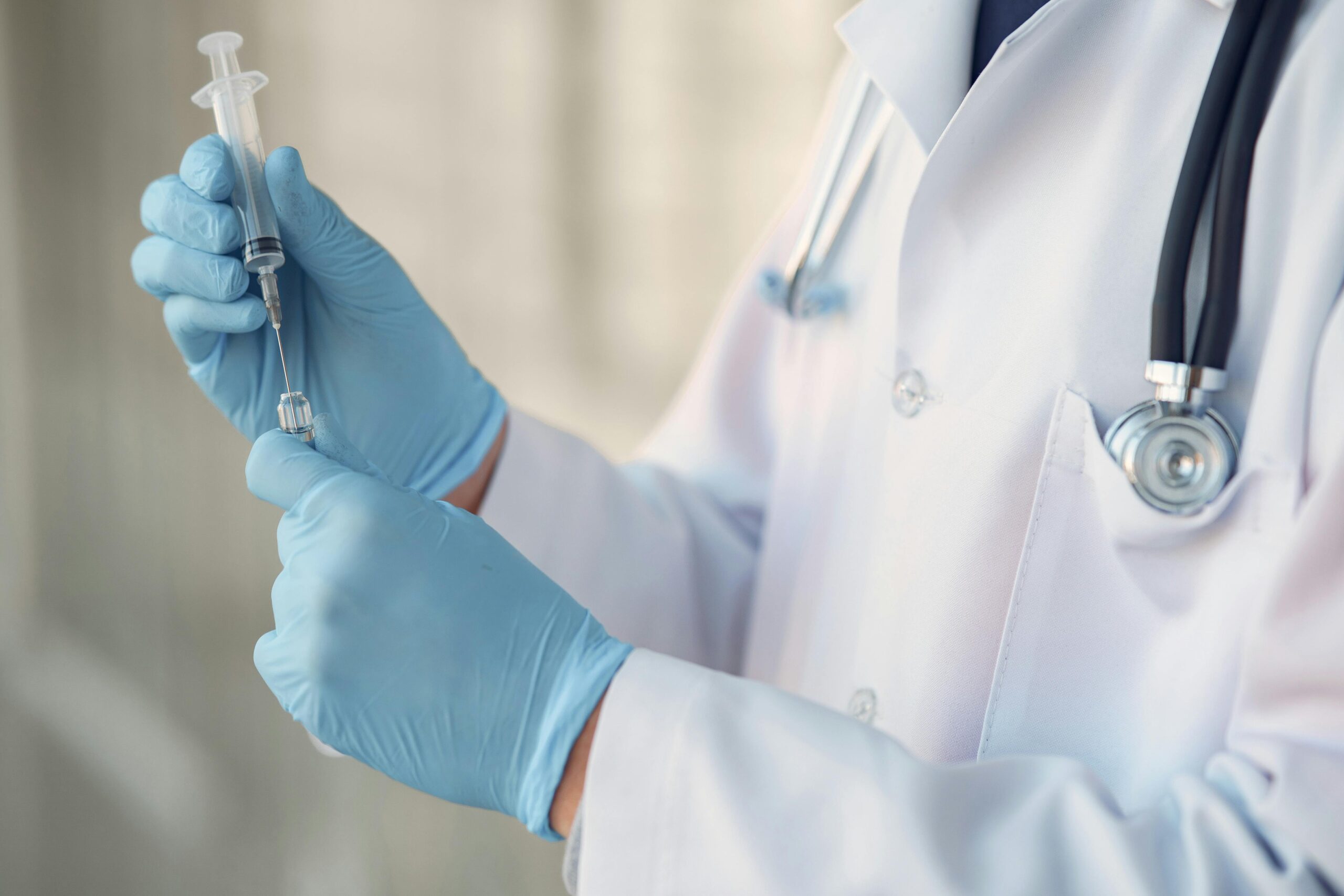
Did you know that DNA fragments extracted from salmon sperm can regenerate damaged cartilage and tendons in your joints? Polynucleotide injections deliver concentrated DNA fragments measuring 50-200 base pairs directly into damaged tissues, triggering cellular regeneration and collagen production. These biological molecules activate fibroblast cells and enhance tissue repair mechanisms through specific receptor pathways, addressing degenerative joint conditions, tendon injuries, and cartilage damage by stimulating the body’s natural healing processes at the molecular level.
Unlike hyaluronic acid injections that provide temporary cushioning, polynucleotides initiate structural tissue repair that continues for months after treatment. The injections contain purified polynucleotide chains with molecular weights between 50 and 1,500 kDa, standardised for cellular uptake and biological activity. Clinical applications in orthopaedics focus on the management of osteoarthritis, treatment of tendinopathy, and recovery from sports injuries.
How Polynucleotide Injections Work
Polynucleotides bind to adenosine A2A receptors on cell surfaces, triggering anti-inflammatory cascades and the release of growth factors. This receptor activation reduces inflammatory markers like TNF-alpha and interleukin-6 while increasing VEGF (vascular endothelial growth factor) production. The resulting environment promotes tissue regeneration rather than scar formation.
After injection, the DNA fragments undergo enzymatic breakdown into nucleotides and nucleosides, providing building blocks for cellular repair. These components support ATP production, enhance protein synthesis, and activate stem cell migration to injury sites. Fibroblasts respond by increasing the production of type I and type III collagen, thereby strengthening the extracellular matrix.
Manufacturing processes preserve the biological activity of polynucleotide chains. The extraction and purification protocols remove proteins and other contaminants, leaving pure polynucleotide sequences. Quality control measures ensure each batch maintains a consistent molecular weight distribution and biological potency.
Cellular Response Timeline
Initial inflammatory modulation occurs within 24-48 hours of injection, with measurable reductions in joint effusion and inflammatory markers. Fibroblast activation peaks at days 3-7, initiating collagen synthesis and matrix remodelling. New blood vessel formation becomes evident at weeks 2-3, as indicated by improved tissue perfusion.
Growth factor expression continues for 4-6 weeks post-injection, sustaining the regenerative process. Structural improvements in cartilage thickness and tendon organisation appear on imaging studies at 8-12 weeks. Clinical benefit typically manifests at 3-4 months, with effects lasting 6-12 months depending on tissue type and damage severity.
Treatment Applications in Orthopaedics
Osteoarthritis Management
Polynucleotide injections target the synovial membrane and articular cartilage in osteoarthritic joints. The treatment may reduce synovial inflammation while stimulating chondrocyte proliferation and proteoglycan synthesis. Knee osteoarthritis may respond to this treatment, with changes in joint space width potentially measurable on X-rays after serial treatments as part of knee pain treatment in Singapore.
Treatment protocols typically involve 3-5 weekly injections of 2-4ml polynucleotide solution per joint. Concentration ranges from 10 to 20mg/mL, depending on joint size and severity of pathology. Hip, shoulder, and ankle joints may also show responses, though injection techniques vary by anatomical location.
Combination therapy with physical rehabilitation may enhance outcomes by optimising joint biomechanics during tissue regeneration. Load modification during the initial treatment phase may help prevent mechanical disruption of newly forming tissue. Progressive strengthening exercises can begin after the inflammatory modulation phase is complete.
Tendinopathy Treatment
Chronic tendon conditions, including rotator cuff tendinopathy, tennis elbow, and Achilles tendinosis, may respond to targeted polynucleotide therapy. Shoulder stiffness associated with adhesive capsulitis may require evaluation by a frozen shoulder doctor in Singapore. The injections may help restore tendon structure by reorganising collagen fibres and reducing neovascularisation associated with chronic inflammation. Ultrasound guidance helps ensure accurate placement within the tendon sheath or peritendinous space.
Treatment involves 2-3 injections spaced 2 weeks apart, using 1-2ml of polynucleotide solution per session. The concentration for tendon applications typically ranges from 5 to 10mg/mL. Intratendinous injections require precise needle placement to avoid tendon rupture while ensuring adequate distribution.
Post-injection protocols may include eccentric strengthening exercises starting at week 2-3. Activity modification may continue for 6-8 weeks to allow collagen remodelling. Return to sports activities may follow graduated loading programs based on the stages of tendon healing.
Sports Injury Recovery
Muscle strains, ligament sprains, and cartilage injuries in athletes may benefit from polynucleotide injection therapy, particularly when managed by a sports injury specialist in Singapore. The treatment may help accelerate return-to-play timelines by enhancing tissue quality during the healing process. Athletes may utilise this therapy for both acute injury management and injury prevention in high-stress tissues.
Acute muscle injuries may receive injections within 48-72 hours when possible, using 2-3ml of solution distributed throughout the injury zone. Ligament injuries require precise anatomical injection under ultrasound guidance, targeting the ligament-bone interface. Cartilage defects may receive direct intra-articular injections or targeted subchondral treatments.
💡 Did You Know?
Polynucleotides may stimulate mesenchymal stem cells already present in joint tissues, potentially converting them into cartilage-producing cells without the need for stem cell harvesting or laboratory cultivation.
The Injection Procedure
Pre-procedure assessment includes detailed imaging to map injection sites and identify anatomical variants. Ultrasound evaluation confirms the safety of the needle pathway and identifies fluid collections that require aspiration. Skin preparation follows surgical antiseptic protocols to minimise infection risk.
The injection technique varies depending on the target tissue depth and location. Superficial tendons receive injections through 25-27 gauge needles, while deep joint injections may require 21-23 gauge spinal needles. Real-time ultrasound guidance tracks needle advancement and confirms accurate placement of the polynucleotide.
Multiple injection points distribute the solution throughout larger treatment areas. Fan-technique spreading ensures even coverage in broad tendons or muscle groups. Intra-articular injections follow joint-specific approaches, such as suprapatellar, medial, or lateral for the knees; anterior or lateral for the hips; and posterior or anterior for the shoulders.
Post-injection compression applies for 5-10 minutes to prevent hematoma formation. Ice application for 15-20 minutes reduces the initial inflammatory response. Patients are monitored for 20-30 minutes to observe for any adverse reactions.
Injection Frequency and Dosing
Protocols may recommend 3-5 initial treatments at 1-2 week intervals. Maintenance injections every 4-6 months may sustain therapeutic benefits in degenerative conditions. Acute injuries may require only 1-2 treatments followed by rehabilitation.
Dosing calculations consider joint volume, pathology extent, and previous treatment responses. Large joints like knees and hips may receive 3-4ml per injection, while smaller joints may require 1-2ml. Tendon injections typically use a 1-2 mL concentrated solution focused on the pathological segment.
Recovery and Results Timeline
Day 1-3 post-injection involves mild swelling and discomfort at injection sites. Normal daily activities continue with avoidance of strenuous exercise. Anti-inflammatory medications are avoided to prevent interference with polynucleotide action.
Weeks 1-2 mark the beginning of cellular activation, with gradual symptom improvement. Light exercises and range-of-motion activities commence. Patients often report reduced morning stiffness and improved joint mobility.
Week 3-4 shows noticeable pain reduction and functional improvement. Strengthening exercises progress based on tissue response. Patients may resume modified sports activities under supervision.
Week 6-8 demonstrate structural improvements visible on ultrasound imaging. Tendon thickness normalises, joint effusions resolve, and cartilage surfaces show smoother contours. Full activity resumption occurs for suitable patients.
Months 3-6 represent the treatment benefit, including tissue regeneration. Follow-up imaging confirms structural improvements. Maintenance treatment planning begins based on individual response patterns.
⚠️ Important Note
Temporary symptom flares occurring 24-48 hours post-injection indicate cellular activation rather than treatment failure. These responses typically resolve within 3-5 days without intervention.
Combination Treatments
Polynucleotide therapy can be combined with platelet-rich plasma (PRP) to deliver growth factors. Treatment protocols may alternate between polynucleotide and PRP injections. This combination may be considered for complex injuries involving multiple tissue types.
Physical therapy integration may support treatment through targeted tissue loading. Exercise protocols can be aligned with the phases of polynucleotide-induced healing. Manual therapy techniques may help distribute solutions and prevent adhesion formation.
Shockwave therapy applied before polynucleotide injection may increase cellular receptivity. Mechanical stimulation can upregulate growth factor receptors and enhance vascular permeability. Post-injection shockwave treatments may help sustain cellular activation.
Nutritional supplementation with vitamin C and omega-3 fatty acids may support collagen synthesis. Adequate protein intake provides amino acids for tissue reconstruction. Hydration maintenance supports cellular function during regeneration.
What Our Orthopaedic Specialist Says
Polynucleotide injections offer a biological approach to tissue repair that complements traditional orthopaedic treatments. The therapy works for patients with early to moderate degenerative changes who want to delay or avoid surgical intervention. Treatment success depends on accurate diagnosis, precise injection technique, and structured rehabilitation protocols.
Patient selection remains important – patients with focal damage tend to respond better than those with diffuse degeneration. The treatment bridges the gap between conservative management and surgical options, providing improvement for patients who have exhausted standard therapies. Realistic expectations include gradual improvement over 2-3 months rather than immediate relief.
Putting This Into Practice
- Schedule imaging (MRI or ultrasound) before consultation to map the extent of tissue damage and identify injection sites
- Plan for a series of treatments with recovery periods between sessions
- Arrange modified work or sports schedules during the treatment phase
- Prepare a structured rehabilitation program starting with range-of-motion exercises, progressing to strengthening
- Document baseline pain scores and functional limitations to track treatment response objectively
When to Seek Professional Help
- Joint pain persists beyond 6 weeks despite conservative treatment
- Recurrent tendon pain limiting daily activities or sports participation
- Previous cortisone injections provided only temporary relief
- MRI or ultrasound showing cartilage thinning or tendon degeneration
- Failed physical therapy after an adequate trial period
- Morning stiffness lasting more than 30 minutes. Persistent shoulder stiffness that does not improve with conservative treatment may require advanced options such as frozen shoulder release surgery in Singapore.
- Joint swelling recurring after minor activities
- Mechanical symptoms like catching or locking during movement
Commonly Asked Questions
How do polynucleotide injections differ from cortisone injections?
Cortisone provides anti-inflammatory effects lasting 6-12 weeks but may weaken tissues with repeated use. Polynucleotides stimulate tissue repair and regeneration over 3-4 months, strengthening rather than weakening structures. The regenerative effects persist after the solution disperses, whereas cortisone benefits cease once the medication clears.
Can polynucleotide injections replace joint replacement surgery?
Polynucleotide therapy cannot reverse bone-on-bone arthritis or repair torn structures. The treatment works for mild to moderate degeneration with remaining cartilage and intact joint architecture. Severe arthritis with joint space loss requires surgical intervention, though polynucleotides may delay surgery timing in some cases.
What activities should be avoided after an injection?
High-impact activities and heavy lifting should be avoided for 48-72 hours post-injection. Swimming and cycling can resume after 3-5 days. Running and jumping sports require 2-3 week delays. Contact sports need 4-6 weeks of restrictions, depending on the injection site and the sport’s demands. A healthcare professional can provide specific guidance based on individual circumstances.
How long do the effects of polynucleotide injection last?
Clinical benefits typically persist for 6-12 months with joint injections and 8-14 months with tendon treatments. Younger patients with focal damage may experience longer-lasting results than older patients with diffuse degeneration. Maintenance injections, administered every 6 to 12 months, may help sustain improvements in chronic conditions.
Are polynucleotide injections painful?
The injection causes mild discomfort, similar to that of blood draw procedures. Local anaesthetic mixed with the polynucleotide solution reduces injection pain. Post-injection soreness resembles moderate exercise discomfort and resolves within 2-3 days. Deep joint injections may cause pressure sensations during solution infiltration.
Next Steps
Polynucleotide injection therapy provides biological tissue regeneration for joint and tendon conditions. Treatment stimulates cellular repair processes while requiring precise injection technique and structured rehabilitation protocols. Success depends on appropriate patient selection and realistic recovery expectations.
If you are experiencing persistent joint pain, tendon pain limiting daily activities, or recurring joint swelling after minor activities, consult an orthopaedic specialist to determine if polynucleotide injection therapy is suitable for your condition.