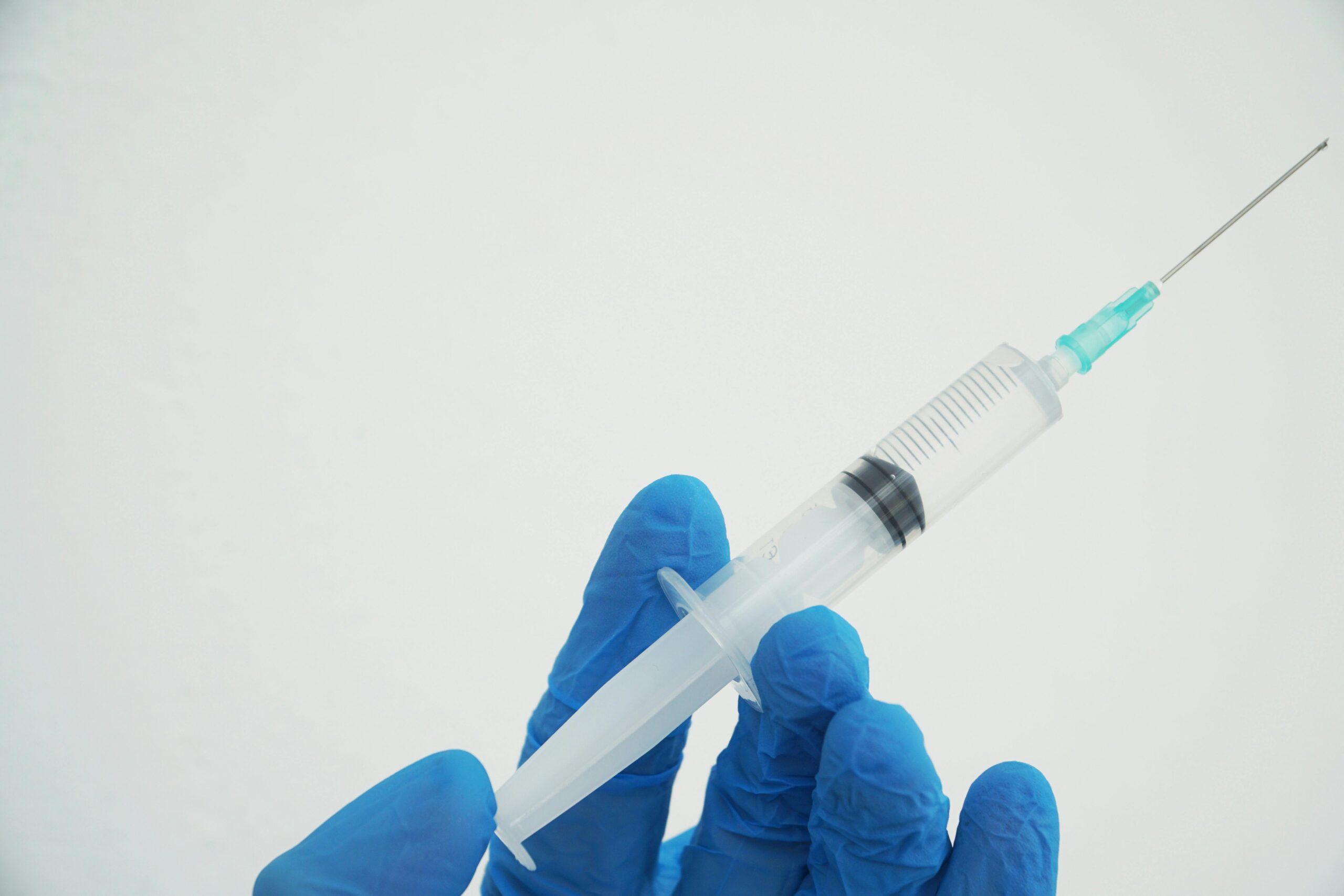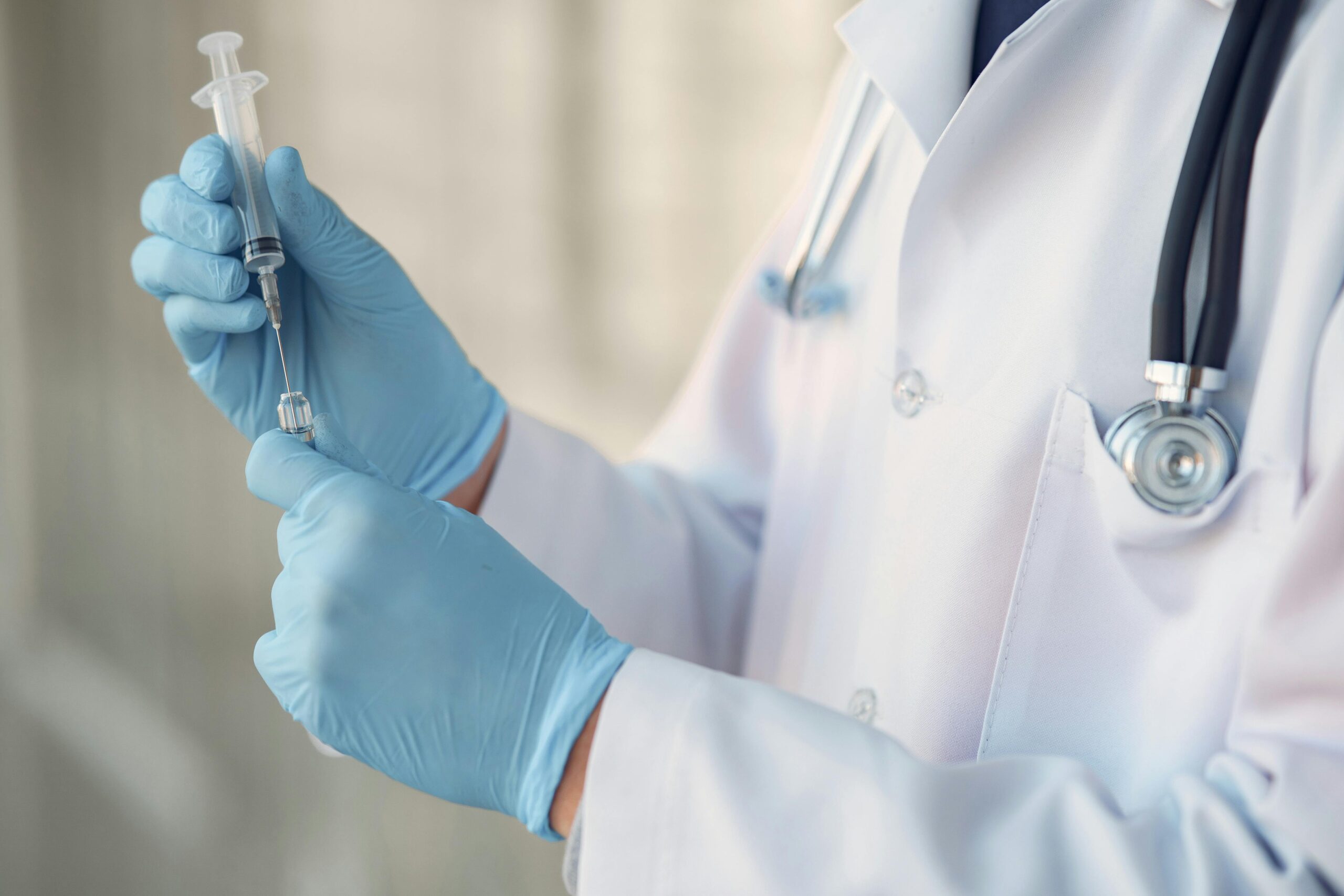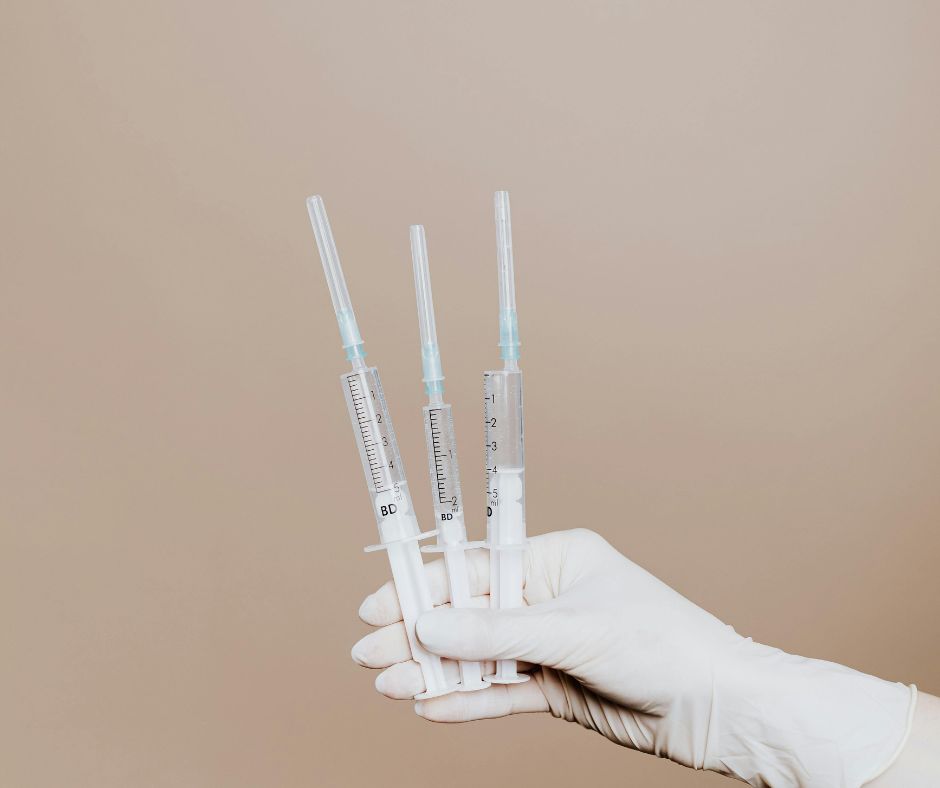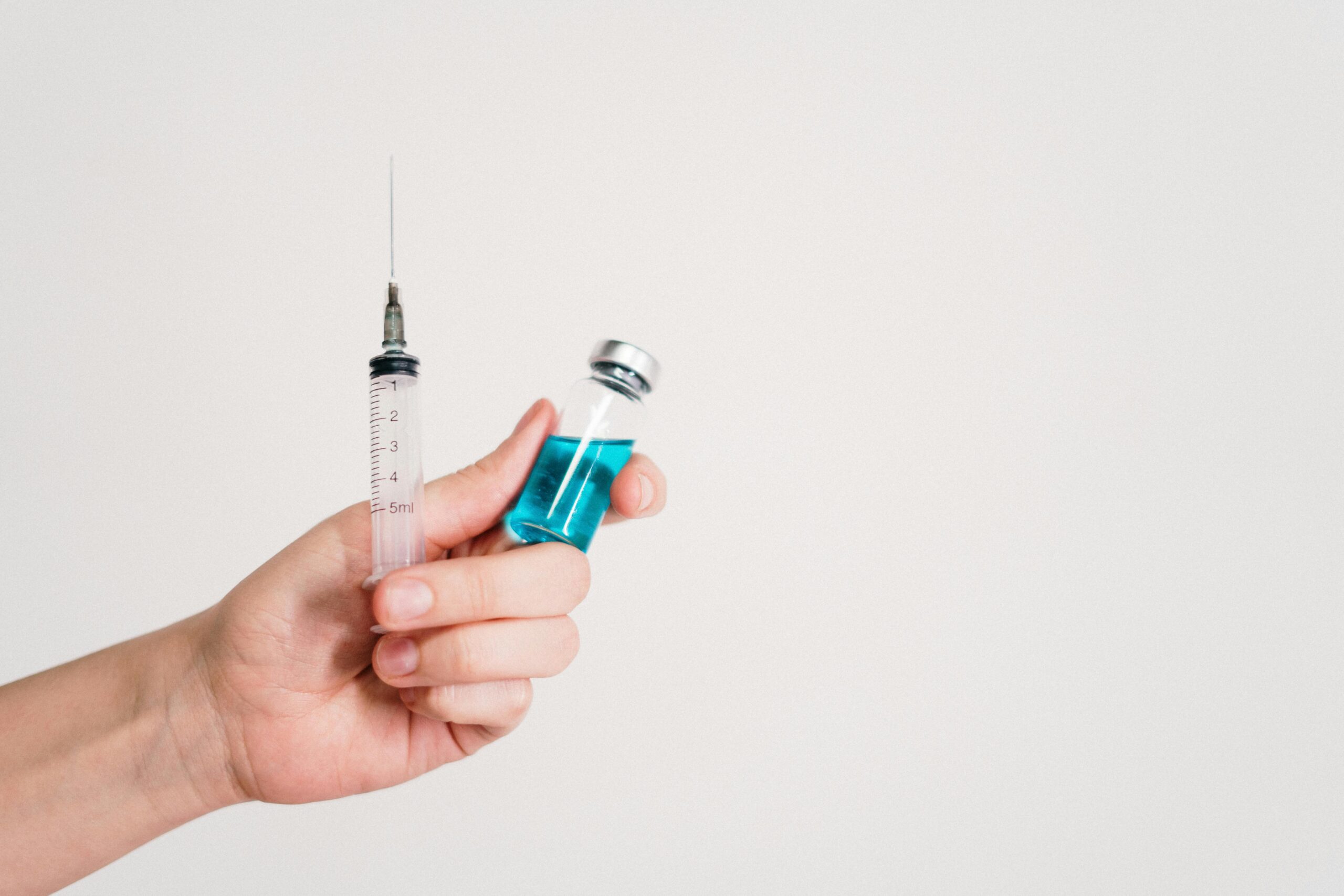
Can damaged tissues truly regenerate themselves with the right biological trigger? Polynucleotides are DNA fragments derived from salmon or trout sperm that may trigger cellular regeneration when injected into damaged tissues. These biological molecules may activate fibroblast production, enhance collagen synthesis, and promote tissue repair through specific biochemical pathways that mirror the body’s natural healing processes.
Unlike hyaluronic acid fillers that provide temporary volume, polynucleotide treatment may stimulate cells to produce their own structural proteins. The treatment delivers concentrated chains of nucleotides directly to target areas, where they bind to specific cellular receptors and may initiate regeneration cascades lasting several months.
In orthopaedic applications, polynucleotides may address degenerative joint conditions, tendon injuries, and post-surgical healing through targeted injections that deliver therapeutic agents to damaged cartilage and connective tissues. The treatment has expanded from aesthetic medicine into musculoskeletal therapy as clinical evidence demonstrates its potential regenerative effects on various tissue types.
How Polynucleotides Work in Tissue Regeneration
Polynucleotides contain specific nucleotide sequences that match human cellular receptors, allowing them to integrate into repair mechanisms. Once injected, these molecules attract water molecules, creating a microenvironment that supports cellular activity while releasing growth factors that may promote healing.
The molecular weight of medical-grade polynucleotides ranges from 50 to 1,500 kilodaltons, with different weights targeting specific tissue depths and cellular responses. Lighter molecules penetrate superficial tissues for skin rejuvenation, while heavier formulations reach deeper structures, such as tendons and joint capsules.
The body’s macrophages process polynucleotides through enzymatic breakdown over 2-4 weeks, releasing purines and pyrimidines that cells use as building blocks for new DNA and RNA. This breakdown process also triggers anti-inflammatory responses, which reduce cytokine production and decrease tissue swelling.
The treatment activates adenosine A2A receptors, which regulate inflammation and promote angiogenesis—the formation of new blood vessels. Enhanced blood flow delivers oxygen and nutrients to damaged areas while removing metabolic waste products that inhibit healing.
Clinical studies using ultrasound imaging show increases in tissue thickness and density following polynucleotide injections. Cartilage regeneration becomes visible on MRI scans after 12 weeks, with continued improvement observed up to 6 months post-treatment.
Orthopaedic Applications
Joint Degeneration
Polynucleotide injections into osteoarthritic joints may reduce inflammatory markers, including interleukin-1β and tumour necrosis factor α, within 48 hours. The treatment may benefit knee, shoulder, and hip joints where cartilage wear creates chronic pain and movement limitations. If ongoing pain, stiffness, or reduced mobility is affecting day-to-day movement, seeing a knee specialist in Singapore can help determine whether this regenerative treatment is appropriate for knee osteoarthritis.
Injection protocols for knee osteoarthritis should be determined by a healthcare professional, who will assess the appropriate number of sessions, timing, volume, and delivery method based on individual patient needs. The viscosity of polynucleotide solutions may provide joint lubrication while regenerative processes begin.
Patients with grade 2-3 osteoarthritis, as classified on the Kellgren-Lawrence scale, may respond more favourably than those with complete cartilage loss. The presence of residual cartilage may provide a scaffold for new tissue growth, stimulated by polynucleotides.
Tendon Injuries
Tendinopathies affecting the rotator cuff, Achilles tendon, and patellar tendon may show structural improvement following polynucleotide treatment. The injections target areas of tendon degeneration identified through ultrasound, delivering regenerative molecules to damaged collagen fibres. When pain, weakness, or reduced motion suggests a tendon-related shoulder problem, consulting a shoulder specialist in Singapore can help guide diagnosis and treatment.
Treatment protocols should be determined by a healthcare professional, who will assess the appropriate injection technique, volume, and placement based on individual patient needs and the specific tendon condition.
Recovery may include controlled loading exercises, with timing and progression determined by a healthcare professional. This mechanical stimulation may enhance polynucleotide effectiveness by promoting collagen remodelling along stress lines.
Post-Surgical Healing
Polynucleotide injections following arthroscopic procedures may accelerate soft-tissue healing and reduce adhesion formation. The timing and frequency of treatment should be determined by a healthcare professional based on the individual’s healing progress and surgical requirements.
Ligament reconstruction sites may benefit from enhanced collagen maturation induced by polynucleotides. In selected cases involving knee instability and graft healing, ACL reconstruction surgery may form part of the broader treatment and recovery plan.
Treatment Process and Protocols
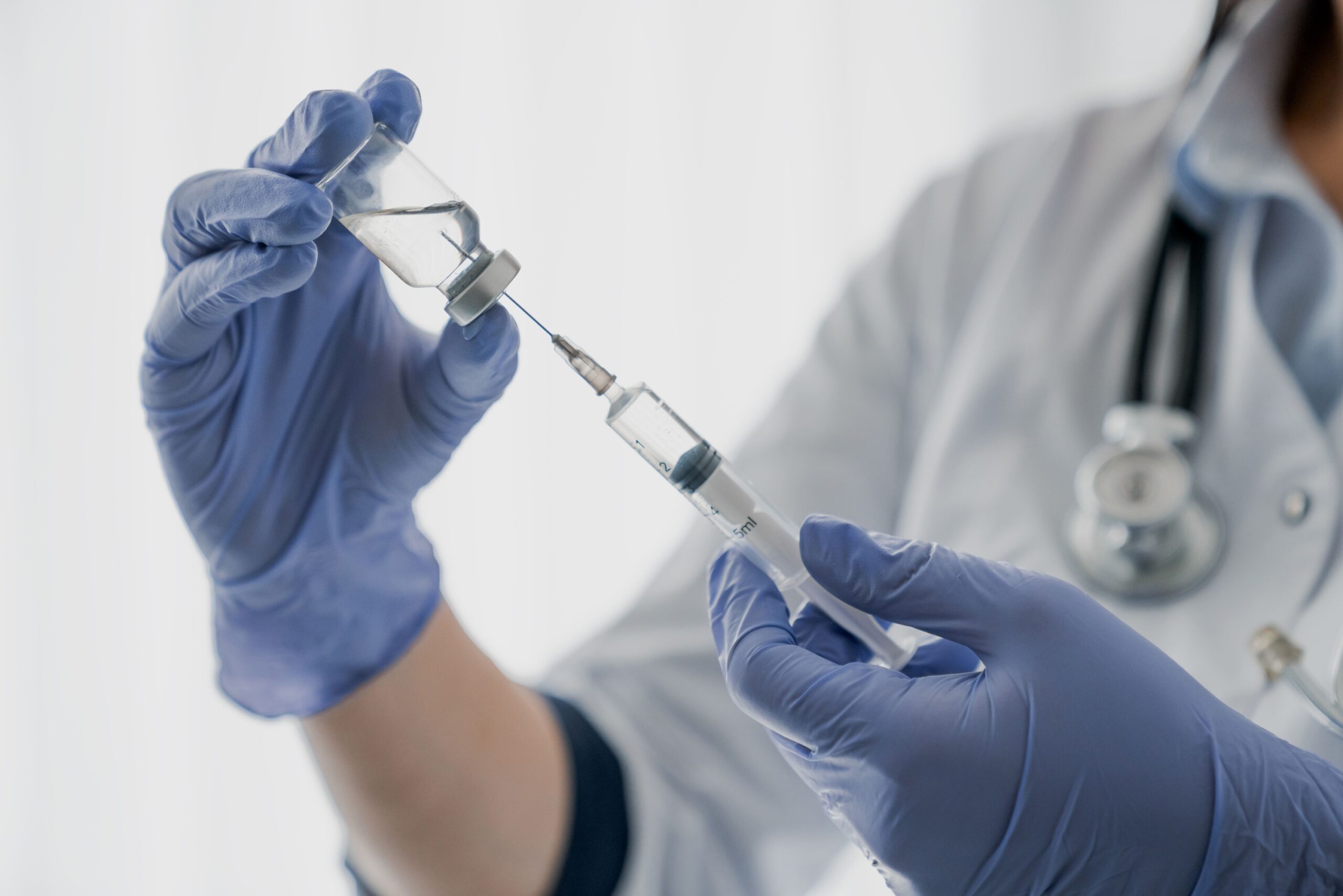
The initial consultation includes a detailed musculoskeletal examination, a review of imaging results, and the identification of suitable injection sites. Ultrasound mapping determines needle placement for the distribution of polynucleotides within target tissues.
Pre-treatment preparation involves cleaning injection sites with chlorhexidine solution and applying topical anaesthetic cream. Some practitioners use cold spray immediately before injection for additional numbing.
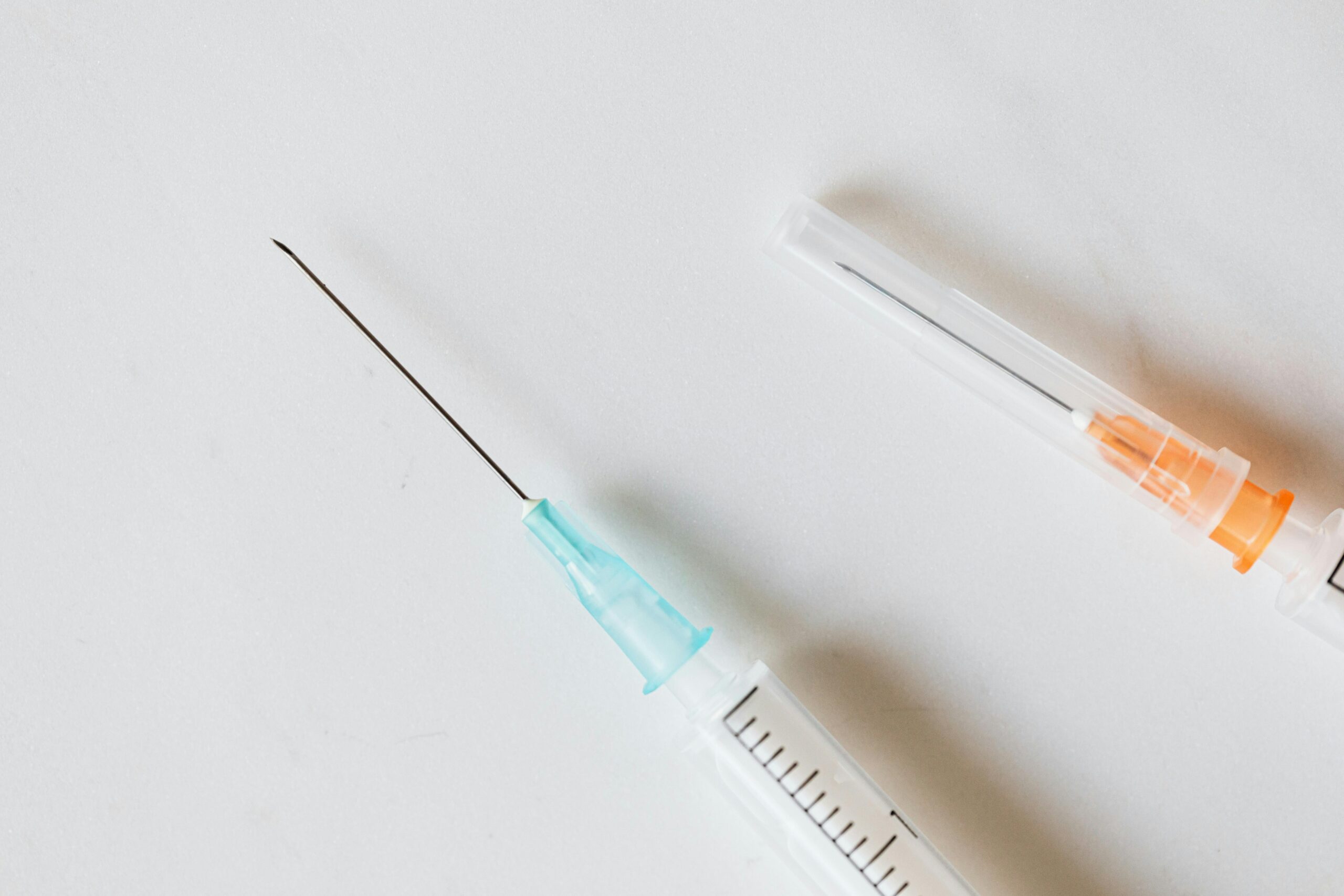
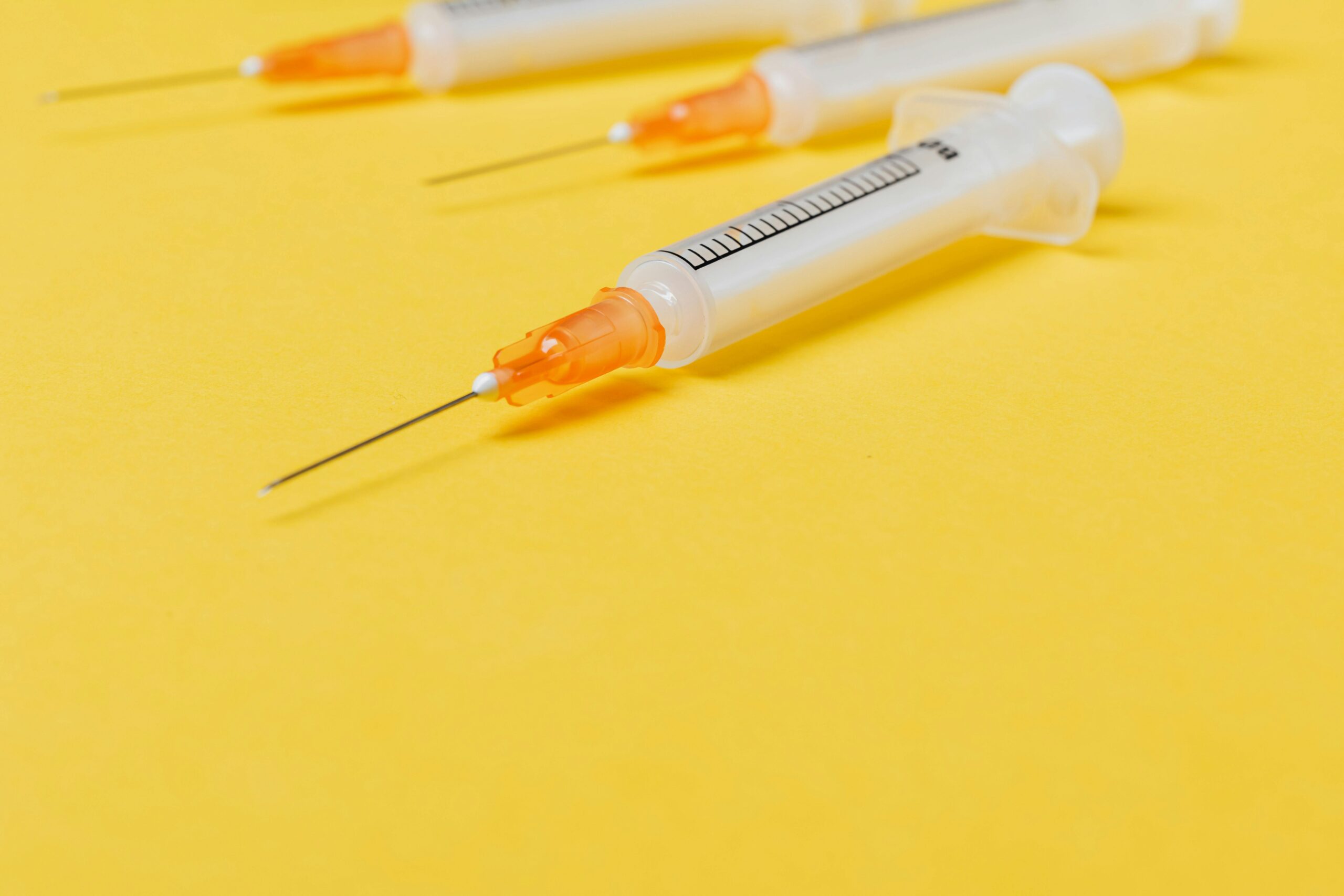
Injection technique varies by treatment area:
- Superficial injections for skin use 32-gauge needles with serial puncture or linear threading methods
- Deep tissue injections require 27-gauge needles with a fan-pattern distribution
- Each injection delivers a measured amount of solution to prevent tissue distension
💡 Did You Know?
Polynucleotides maintain their regenerative properties when stored at 2-8°C but lose effectiveness if frozen or heated above 25°C. Proper storage helps preserve the therapeutic properties of each treatment vial.
Post-injection care includes avoiding strenuous activity for 48 hours while maintaining gentle movement to promote solution distribution. Ice application for short intervals may help reduce initial swelling.
Treatment frequency depends on the indication and should be determined by a healthcare professional. Acute injuries may require more frequent sessions, while chronic conditions may benefit from different treatment schedules. Maintenance treatments may be recommended to sustain effects.
Recovery and Results Timeline
Hours 0-24 post-treatment bring mild swelling and warmth at injection sites as inflammatory cascades initiate healing responses. Paracetamol may help manage any discomfort, though NSAIDs should be avoided as they may interfere with regenerative processes.
Days 2-7 show a reduction in acute symptoms, with improved joint mobility and decreased tendon pain. Microscopic changes include fibroblast migration and early collagen deposition, though these remain invisible on imaging studies.
Weeks 2-4 mark the beginning of visible tissue changes on ultrasound, with increased tissue thickness and improved fibre organisation. Functional improvements become noticeable during daily activities and specific movement tests.
Months 2-3 bring peak regenerative activity with maximum collagen production and tissue remodelling. Clinical assessments show improved range of motion, reduced pain scores, and enhanced load tolerance.
Months 4-6 demonstrate consolidated results with structural improvements visible on MRI. New tissue integrates with existing structures, providing long-term symptom relief and functional restoration.
⚠️ Important Note
A temporary increase in symptoms may occur 3-5 days post-treatment as the healing cascade activates. This “healing crisis” resolves within 48-72 hours and indicates an appropriate therapeutic response.
Combination Treatments
Polynucleotides synergise effectively with platelet-rich plasma (PRP) therapy, with sequential treatments further enhancing regenerative outcomes. PRP provides immediate growth factors while polynucleotides sustain long-term cellular activation.
Hyaluronic acid co-injection improves polynucleotide distribution and provides additional joint lubrication. The combination is particularly beneficial for large joints, where both mechanical and biological factors contribute to degeneration.
Physical therapy protocols designed for polynucleotide patients may help improve treatment outcomes. Progressive loading programs align with the phases of tissue healing, supporting regenerative potential through appropriate mechanical stimulation.
Shockwave therapy performed 1 week before polynucleotide injection may enhance cellular receptivity to the polynucleotide injection. The mechanical disruption caused by shockwaves increases the release of growth factors and enhances polynucleotide penetration.
Safety Considerations
Allergic reactions remain rare due to the purification standards that remove antigenic proteins from salmon-derived polynucleotides. Patch testing is available for patients with known fish allergies or a history of previous injection reactions.
Injection site infections can occur when proper sterile technique is not maintained. Signs include increasing pain, redness, and warmth beyond 72 hours post-treatment.
Contraindications include active infections, autoimmune diseases that affect connective tissues, and anticoagulation therapy with an INR level above 3.0. Pregnancy and breastfeeding represent relative contraindications pending further safety data.
Drug interactions are minimal, though concurrent immunosuppressive therapy may reduce treatment effectiveness. Patients should disclose all medications, including supplements, during consultation.
Putting This Into Practice
- Schedule treatments during periods of reduced activity to allow 48-72 hours of relative rest post-injection without disrupting work or exercise routines
- Document baseline pain levels, range of motion, and functional limitations before starting treatment to objectively track improvements over the treatment course
- Maintain a treatment diary recording injection dates, immediate responses, and weekly progress to identify treatment intervals that may be suitable for your specific condition
- Coordinate polynucleotide sessions with existing physical therapy appointments, scheduling injections at the beginning of rest weeks in your rehabilitation program
- Prepare questions about expected outcomes, treatment frequency, and combination therapies specific to your diagnosis for discussion during consultation
When to Seek Professional Help
- Joint pain persisting beyond 3 months despite conservative management
- Tendon pain with morning stiffness lasting more than 30 minutes
- Decreased range of motion affecting daily activities
- Swelling that doesn’t resolve with rest and ice
- Clicking or catching sensations during joint movement
- Weakness preventing normal work or exercise activities
- Previous injury sites with recurring symptoms
- Limited response to physical therapy after 6-8 weeks
Commonly Asked Questions
How do polynucleotides differ from corticosteroid injections?
Corticosteroids suppress inflammation temporarily by modulating the immune system, providing relief for 6-12 weeks. Polynucleotides stimulate tissue regeneration by activating cells, resulting in structural improvements that last 12-18 months. While steroids may weaken tissues with repeated use, polynucleotides strengthen them progressively.
Can polynucleotide treatment replace joint replacement surgery?
Polynucleotide treatment may be considered for mild to moderate joint degeneration where some cartilage remains. Complete cartilage loss with bone-on-bone contact typically requires surgical intervention. The treatment may delay the need by several years in appropriate candidates.
What activities should I avoid after treatment?
Activity restrictions following treatment should be discussed with your healthcare provider. Generally, guidance may include avoiding high-impact activities for a specified period and gradually resuming normal activities. Swimming pools and saunas may need to be avoided temporarily to prevent the spread of infection. Contact sports may require temporary restriction to prevent treatment disruption.
How many treatments will I need?
The number of treatments varies based on individual circumstances. Acute conditions may respond to 3-4 weekly treatments. Chronic degenerative conditions may benefit from 3-6 monthly sessions followed by maintenance injections every 6-12 months. Individual responses vary based on age, activity level, and severity of condition. A healthcare professional can provide personalised treatment recommendations.
Are the results permanent?
Polynucleotide treatment stimulates the growth of new tissue that integrates with existing structures. However, ongoing degenerative processes continue, and maintenance treatments may be needed to sustain benefits. Lifestyle modifications and regular exercise may help prolong the effectiveness of treatment.
Conclusion
Polynucleotide treatment stimulates natural tissue repair through targeted cellular activation. Treatment success depends on appropriate patient selection, proper injection technique, and combining therapy with suitable rehabilitation protocols.
If you’re experiencing persistent joint pain, tendon injuries, or prolonged post-surgical healing, an orthopaedic specialist in Singapore can evaluate whether polynucleotide treatment is appropriate for your condition.