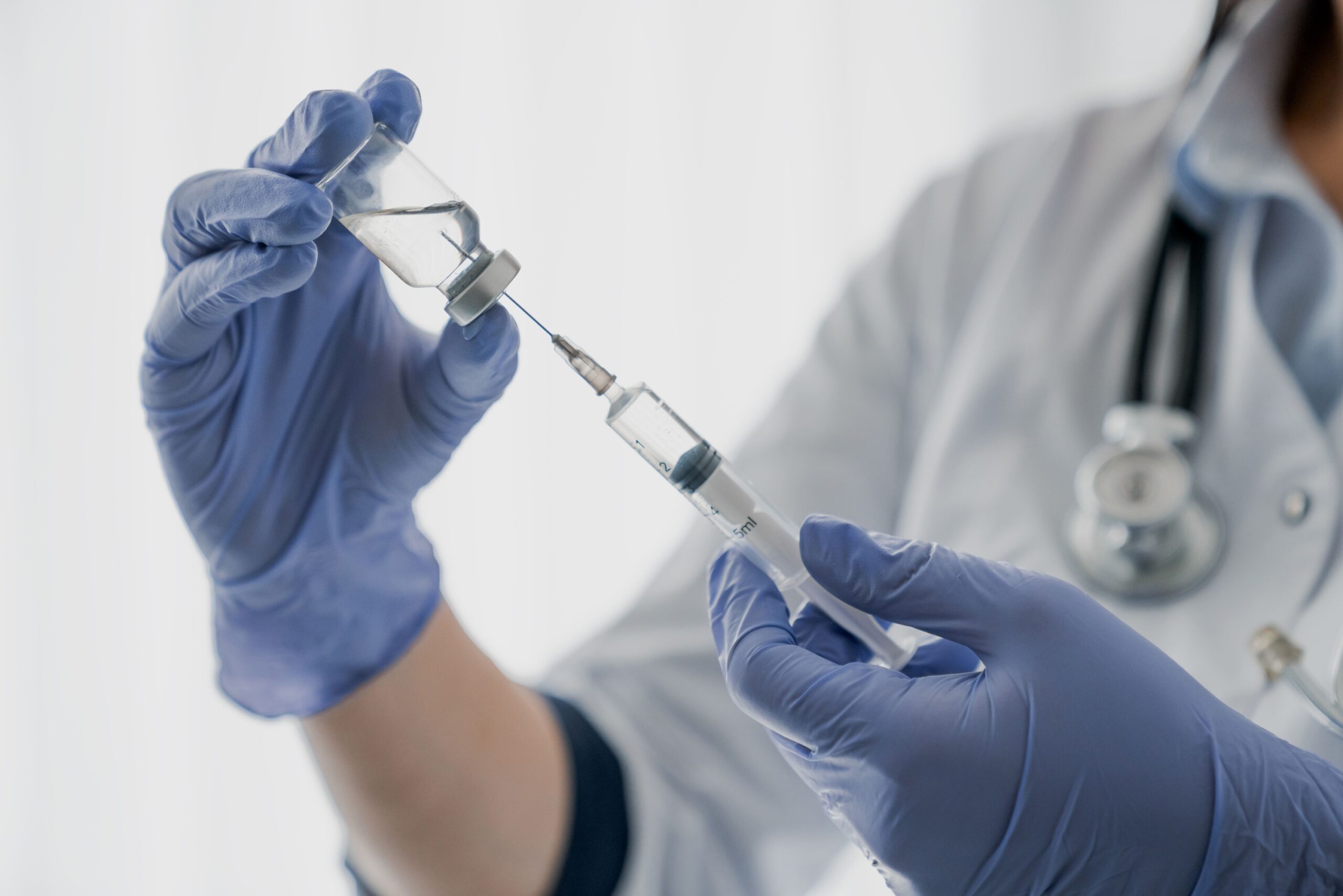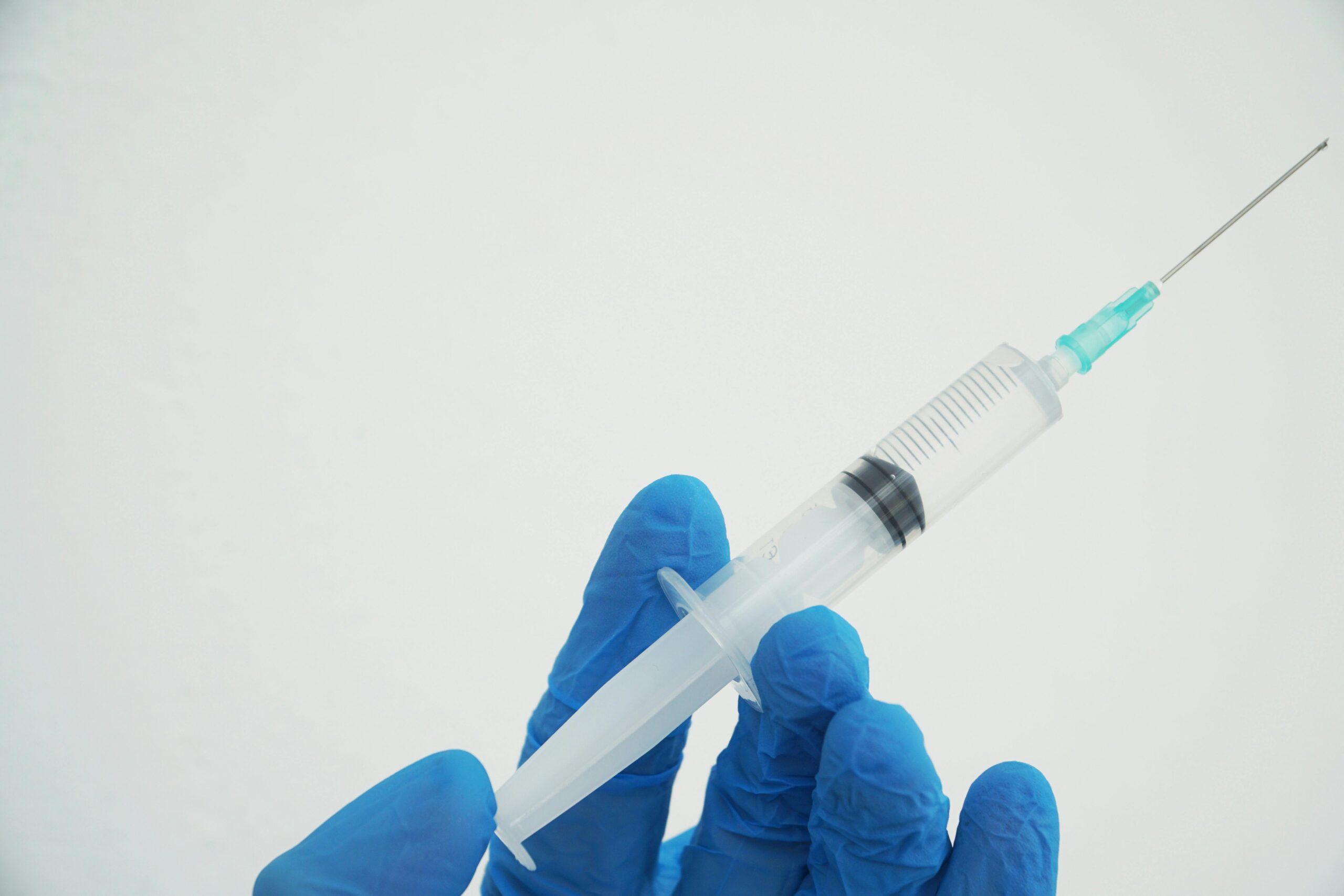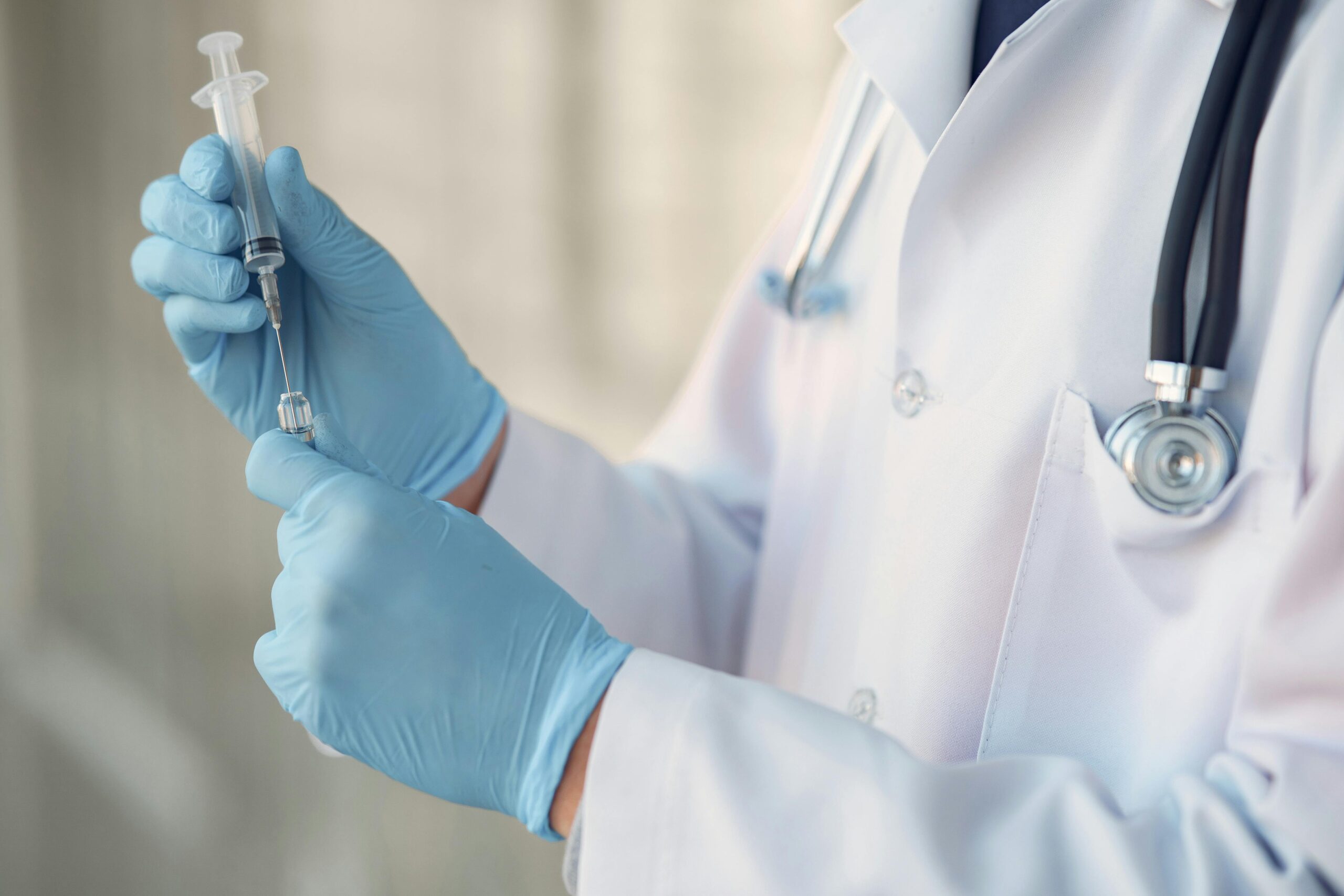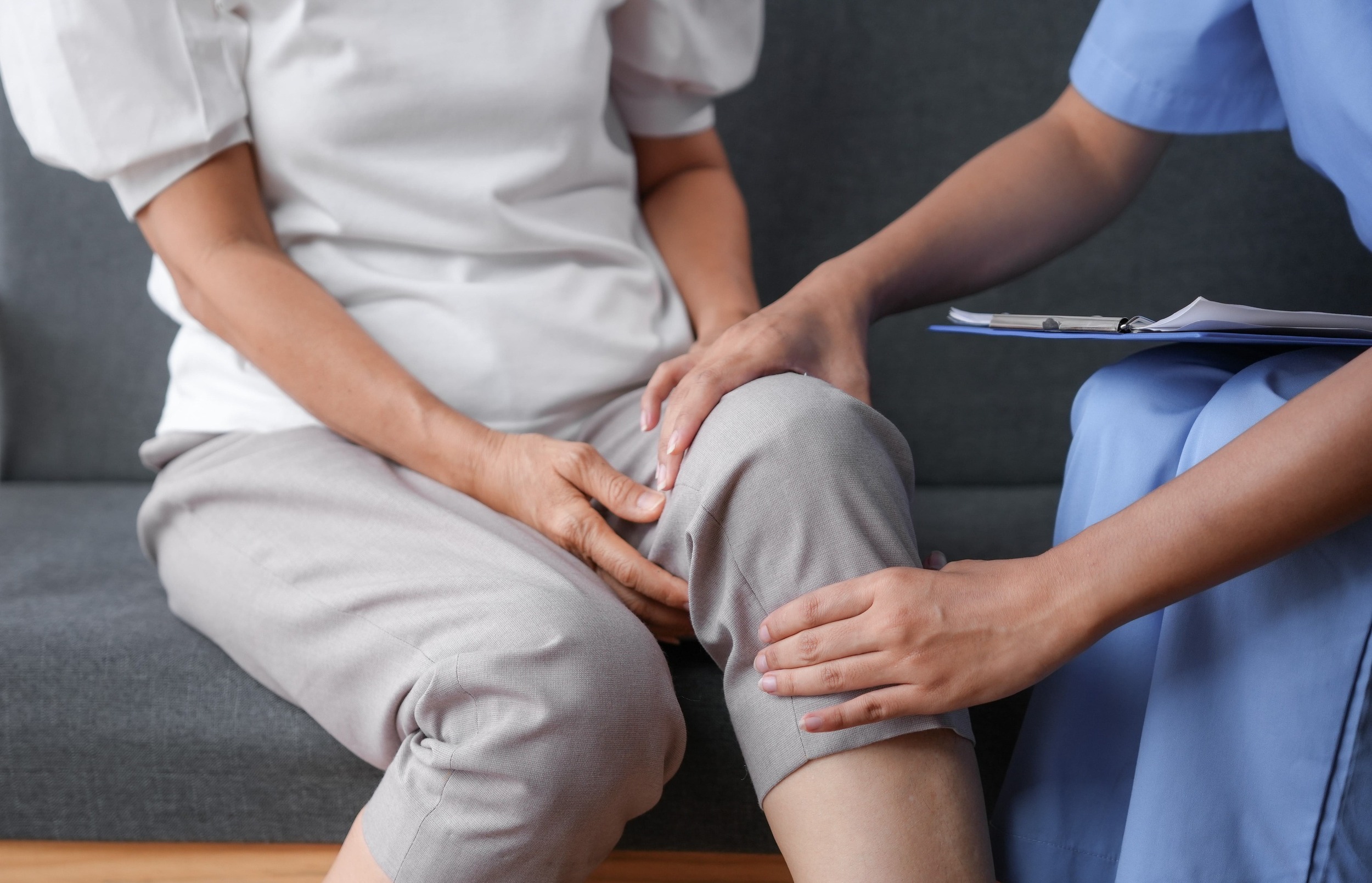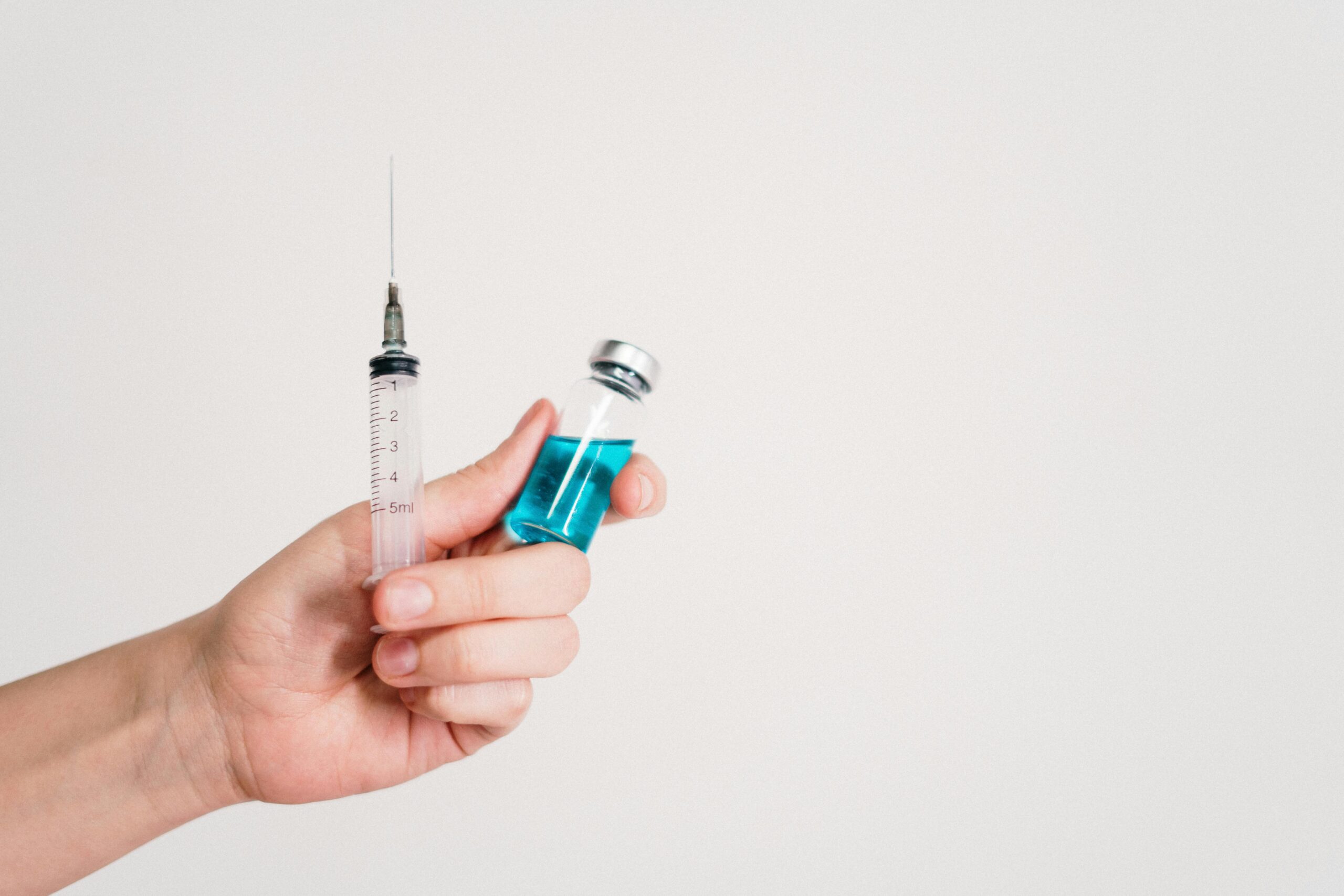
Did you know that your own blood contains powerful healing components that can potentially repair damaged knee tissue? Platelet-rich plasma (PRP) injections use concentrated platelets from your own blood as a highly effective knee pain treatment in Singapore. The procedure typically takes approximately 45-60 minutes from blood draw to injection completion. PRP contains growth factors including PDGF, TGF-β, VEGF, and IGF-1, which may stimulate tissue repair and reduce inflammation in damaged knee structures.
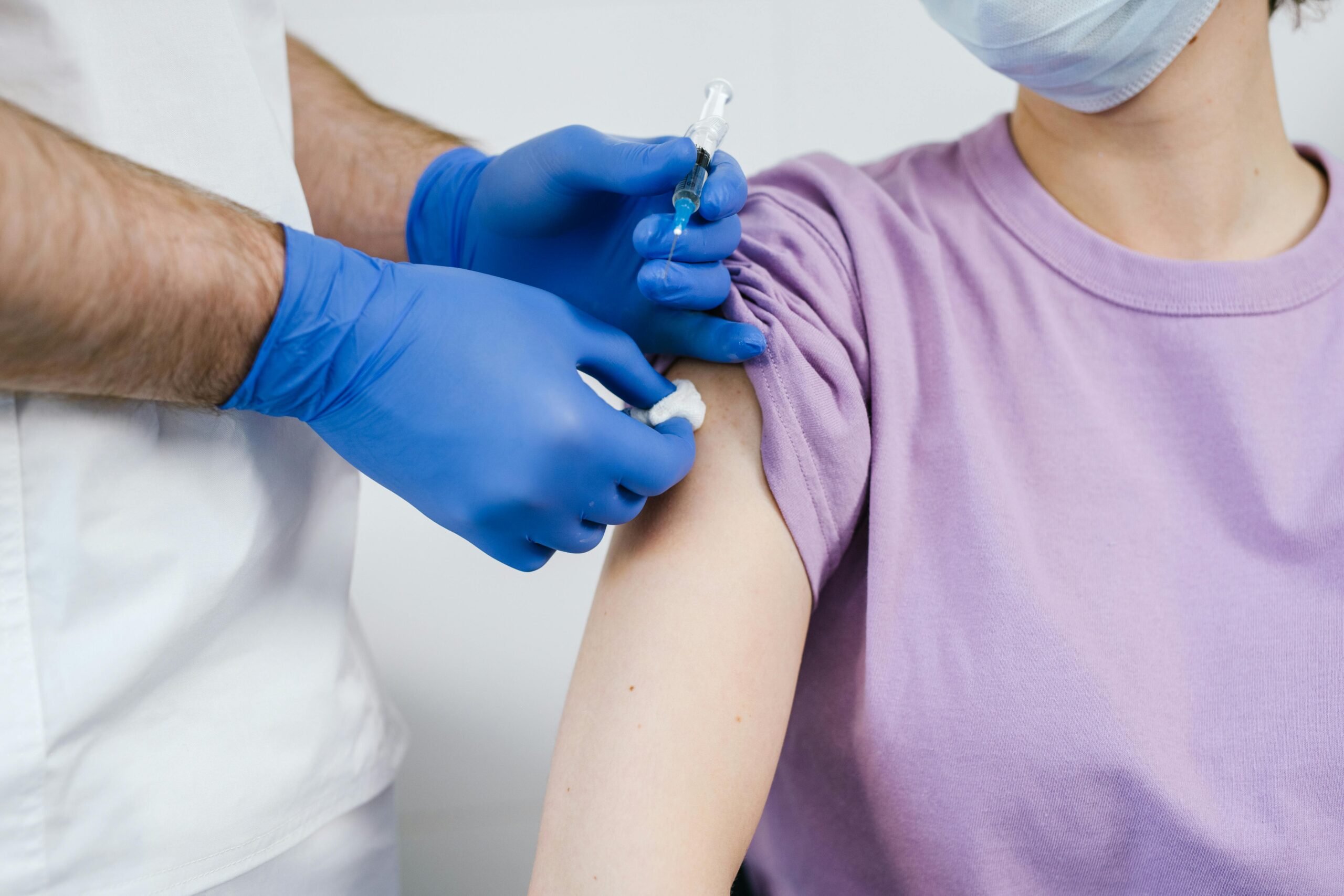
Your orthopaedic doctor will extract blood, process it in a centrifuge to concentrate platelets, and then inject the PRP into the affected knee area under ultrasound guidance. The treatment may be considered for conditions including:
- Knee osteoarthritis
- Partial ligament tears (For full tears, you may need to consult an ACL surgery specialist in Singapore instead)
- Meniscal injuries (often as part of a comprehensive meniscus tear treatment plan)
- Patellar tendinopathy
A healthcare professional can determine if this treatment is appropriate for your specific condition.
Pre-Treatment Preparation
Stop taking NSAIDs like ibuprofen, naproxen, and aspirin 5-7 days before your PRP injection for knee treatment. These medications inhibit platelet function and may reduce the effectiveness of treatment. Paracetamol remains safe for pain management during this period. Continue other prescribed medicines unless your healthcare professional advises otherwise.
Hydrate with 2-3 litres of water daily for 48 hours before treatment. Proper hydration ensures adequate blood volume for collection and platelet concentration. Eat a regular meal 2-3 hours before your appointment to maintain stable blood sugar levels during the procedure.
Arrange transportation home after treatment. While you can walk immediately after the injection, avoiding driving for 24 hours prevents unnecessary knee strain. Wear loose-fitting clothing that allows easy access to your knee – shorts or pants that roll up above the knee work well.
Your healthcare professional may request recent MRI or X-ray images to guide the injection placement. Bring these imaging results if performed elsewhere. Some clinics perform ultrasound imaging on-site to visualise knee structures during injection.
The PRP Injection Procedure
Blood Collection and Processing
A phlebotomist draws blood from your arm vein using collection tubes containing anticoagulant citrate dextrose (ACD) or sodium citrate. The tubes prevent clotting while preserving platelet function. Collection takes 5-10 minutes, depending on the vein’s accessibility and blood flow rate.
The blood undergoes centrifugation at 1500-3500 RPM in two stages. First spin separates red blood cells from plasma and platelets. The second spin concentrates platelets while removing excess plasma. The final PRP volume ranges from 3 to 8 mL, with platelet concentrations reaching 1 million platelets per microliter.
Injection Technique
Your knee receives local anaesthetic (1% lidocaine) at the injection site. The healthcare professional uses ultrasound to identify the injection target, such as the intra-articular space for osteoarthritis, the tendon substance for tendinopathy, or the ligament fibres for partial tears.
The PRP injection uses a 22-25 gauge needle inserted at anatomical landmarks. For intra-articular injections, the superolateral or superomedial approach provides access to the joint. Tendon injections require multiple needle passes to distribute PRP throughout damaged tissue. The injection takes 2-5 minutes with minimal discomfort due to local anaesthesia.
After injection, the knee may feel full or tight due to the added fluid volume. This sensation resolves within 24-48 hours as tissues absorb the PRP. Some patients experience immediate warmth at the injection site due to increased blood flow and the release of inflammatory mediators.
Recovery Timeline and Expectations
Days 1-3: Initial Response
Mild to moderate knee discomfort peaks within 24-48 hours after PRP injection. This inflammatory response indicates platelet activation and the release of growth factors. Apply ice packs for 15-20 minutes every 2-3 hours to manage swelling. Keep the knee elevated when resting to reduce fluid accumulation.
Weight-bearing remains permitted with walking as tolerated. Avoid stairs, squatting, or kneeling during this period. Some patients use a compression sleeve for comfort, though this isn’t mandatory. Paracetamol manages pain without interfering with platelet function.
Days 4-14: Early Healing Phase
Pain and swelling gradually decrease as the initial inflammatory phase subsides. Begin gentle range-of-motion exercises, such as heel slides, straight-leg raises, and seated knee flexion/extension. Perform each exercise 10-15 repetitions, 3 times daily. Walking distance can increase progressively based on comfort.
Avoid high-impact activities, such as running, jumping, or resistance training. Swimming with a gentle flutter kick provides low-impact exercise after day 7. Stationary cycling with minimal resistance maintains cardiovascular fitness while protecting the healing knee.
Weeks 3-6: Tissue Remodelling
Collagen synthesis and tissue remodelling accelerate during this period. Physical therapy typically begins in week 3-4, focusing on quadriceps strengthening, hamstring flexibility, and proprioception training. Progressive loading stimulates healing while avoiding re-injury.
Functional improvements become noticeable, including reduced morning stiffness, easier stair climbing, and decreased pain with prolonged standing. Continue avoiding explosive movements and contact sports. Low-resistance strength training with controlled movements can resume under physiotherapy guidance.
Weeks 7-12: Functional Recovery
Many patients experience symptom improvement by the end of week 8. Return to jogging, sport-specific training, and regular exercise occurs gradually, If you are eager to return to play, working closely with a sports injury specialist in Singapore can ensure your rehabilitation stays on track. Your healthcare professional may recommend follow-up imaging to assess tissue healing after ligament or tendon injuries.
Some patients require a second PRP injection 6-12 weeks after initial treatment. This decision depends on symptom improvement, functional goals, and ultrasound or MRI findings. Multiple injections may offer benefits for chronic conditions, such as knee osteoarthritis.
Factors Affecting Treatment Response
Age influences healing capacity by decreasing cellular metabolism and reducing growth factor production in older patients. Younger patients with acute injuries often respond faster than those with chronic degenerative conditions. However, PRP remains effective across age groups when properly indicated.
Injury severity determines expected outcomes. Partial thickness tears and mild to moderate osteoarthritis respond better than complete ruptures or severe joint degeneration. MRI grading helps predict treatment success: meniscal tears with less thickness involvement show favourable outcomes.
Overall health status impacts healing. Diabetes, particularly with elevated HbA1c, reduces platelet function and delays tissue repair. Smoking decreases oxygen delivery and the effectiveness of growth factors. Optimal BMI correlates with better outcomes compared to obesity, which increases knee joint stress.
Platelet concentration and quality vary between individuals. Low baseline platelet counts may require adjusted processing protocols. Some clinics measure the final PRP platelet concentration to ensure therapeutic levels. Leukocyte concentration in PRP remains controversial: leukocyte-rich PRP may increase inflammation, while leukocyte-poor preparations may reduce post-injection pain.
💡 Did You Know?
PRP activates various proteins involved in tissue healing, including fibronectin, vitronectin, and thrombospondin, which create a scaffolding for new tissue formation.
Combining PRP with Other Treatments
Physical therapy remains essential for PRP outcomes. Structured rehabilitation programs, initiated 2-3 weeks post-injection, enhance strength, flexibility, and functional movement patterns. Eccentric strengthening exercises, particularly in cases of tendinopathy, benefit by promoting collagen remodelling.
Hyaluronic acid injections can be administered either before or after PRP treatment, with an appropriate interval in between. Sequential therapy provides viscosupplementation benefits while PRP addresses underlying tissue damage. Healthcare professionals typically recommend waiting at least 4 weeks between different injection types to assess individual treatment effects.
Orthobiologic combinations may enhance regenerative potential. Some protocols incorporate concentrated bone marrow aspirate or adipose-derived stem cells into PRP for treating severe cartilage damage. These treatments require specialised expertise and the availability of equipment.
Weight management through structured programs reduces mechanical knee stress. Nutritional optimisation supports tissue healing, including adequate protein intake, vitamin C for collagen synthesis, and omega-3 fatty acids to control inflammation. A healthcare professional should determine specific nutritional requirements.
What Our Orthopaedic Specialist Says
PRP effectiveness depends on accurate diagnosis and injection technique. Ultrasound guidance can improve injection accuracy. Results may be enhanced when patients follow post-injection rehabilitation protocols.
Patient selection is essential – PRP may be considered for focal cartilage defects, partial tendon tears, and mild to moderate arthritis. Complete tears, severe bone-on-bone arthritis, or mechanical symptoms from loose bodies may require surgical intervention. Each case should be evaluated individually, taking into account imaging findings, functional demands, and prior treatment responses.
The inflammatory response after PRP injection may indicate platelet activation. Patients who experience mild to moderate discomfort for 2-3 days may show different outcomes than those with no reaction. This inflammation may be part of the healing process for tissue regeneration.
Putting This Into Practice
- Schedule your PRP injection during a period when you can limit activities for 2 weeks. Plan work modifications if your job requires prolonged standing, heavy lifting, or repetitive knee bending.
- Create a home exercise space with basic equipment: resistance bands, foam roller, and stability ball for post-injection rehabilitation. Download a rehabilitation app or print exercise sheets to track daily progress and ensure consistency.
- Prepare your home environment before treatment – move frequently used items to waist height to avoid squatting, install grab bars in the bathroom if needed, and arrange a comfortable elevation setup for the first few days.
- Establish care coordination between your orthopaedic specialist and physiotherapist. Share injection details, imaging results, and rehabilitation restrictions to ensure a coordinated treatment approach.
- Document your symptoms using a pain diary or mobile app starting 2 weeks before treatment. Track pain levels, activity tolerance, and medication use to objectively measure treatment response over time.
When to Seek Professional Help
- Fever above 38°C within 72 hours of injection
- Increasing redness, warmth, or swelling after day 3
- Severe pain unresponsive to pain medication
- Inability to bear weight on the treated knee
- Signs of infection: pus, red streaks, or foul odour at the injection site
- Persistent numbness or tingling in the leg or foot
- No improvement after 8-12 weeks despite completing rehabilitation
- New mechanical symptoms: locking, catching, or giving way
- Allergic reaction symptoms: rash, difficulty breathing, or facial swelling
Commonly Asked Questions
How many PRP injections will I need for my knee?
Most patients receive 1-3 injections spaced 4-6 weeks apart. Single injections often suffice for acute injuries, while chronic conditions, such as osteoarthritis, may benefit from a series of injections. Your healthcare professional determines the protocol based on your condition, initial response, and functional goals.
Can I exercise immediately after PRP injection?
Avoid strenuous exercise for 2 weeks after the injection to allow for initial healing. Gentle range-of-motion exercises can begin after 48 to 72 hours. Progressive loading through supervised physiotherapy typically begins in weeks 3-4, with a gradual return to sports occurring over 6-12 weeks, depending on your condition and response.
Will PRP cure my knee arthritis permanently?
PRP manages symptoms and may slow progression, but doesn’t reverse established arthritic changes. Treatment effects typically last 6-12 months for osteoarthritis, with some patients experiencing longer relief. Repeat injections can help maintain benefits, although the response may vary with subsequent treatments.
Is PRP injection painful?
The injection causes mild to moderate discomfort despite local anaesthetic use. Post-injection soreness peaks at 24-48 hours and resembles an intense workout ache. This temporary discomfort indicates proper platelet activation and typically resolves within 3-5 days with appropriate pain management.
What’s the difference between PRP and cortisone injections?
Cortisone provides rapid anti-inflammatory effects lasting 6-12 weeks, but may weaken tissues with repeated use. PRP stimulates tissue healing over 3-6 months through growth factor release. While cortisone offers faster relief, PRP offers distinct benefits in certain conditions.
Next Steps
PRP injection success depends on proper patient selection, precise injection technique, and committed rehabilitation. Follow structured rehabilitation protocols and monitor symptoms objectively to optimise treatment outcomes.
If you’re experiencing chronic knee pain, recurring tendon injuries, or arthritis symptoms that haven’t responded to conservative treatment, an orthopaedic specialist can evaluate whether PRP injection suits your condition.
Conclusion
Platelet-rich plasma (PRP) therapy represents a promising, minimally invasive approach for managing knee pain and tissue injuries. Using your own blood’s natural growth factors aims to stimulate healing and improve joint function over time. While results vary depending on age, injury severity, and overall health, many patients report improved mobility and reduced discomfort after completing a guided rehabilitation program.
If you’ve been struggling with persistent knee pain or injuries that haven’t improved with standard treatments, consult an orthopaedic specialist in Singapore to discuss whether PRP therapy may be suitable for your condition.