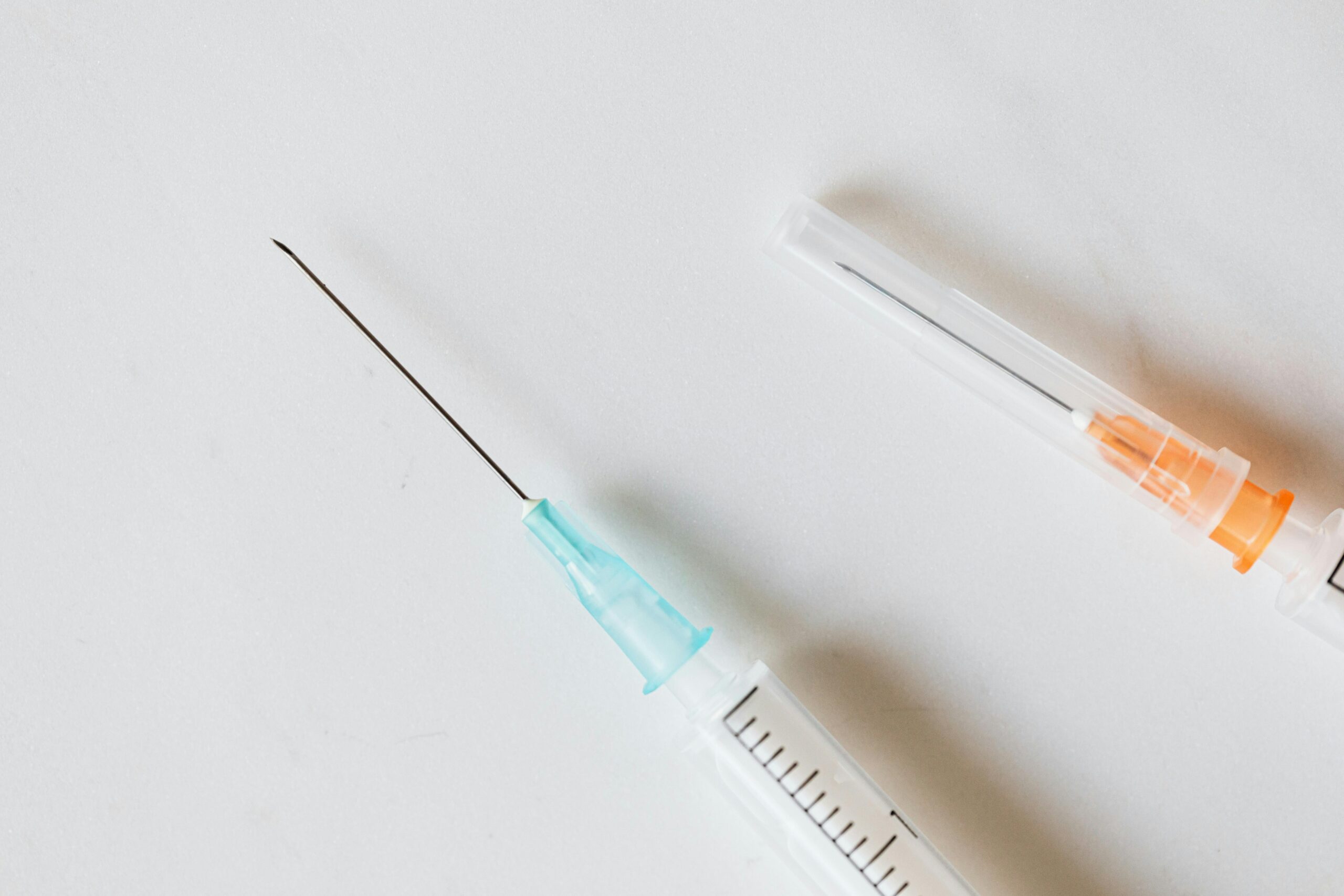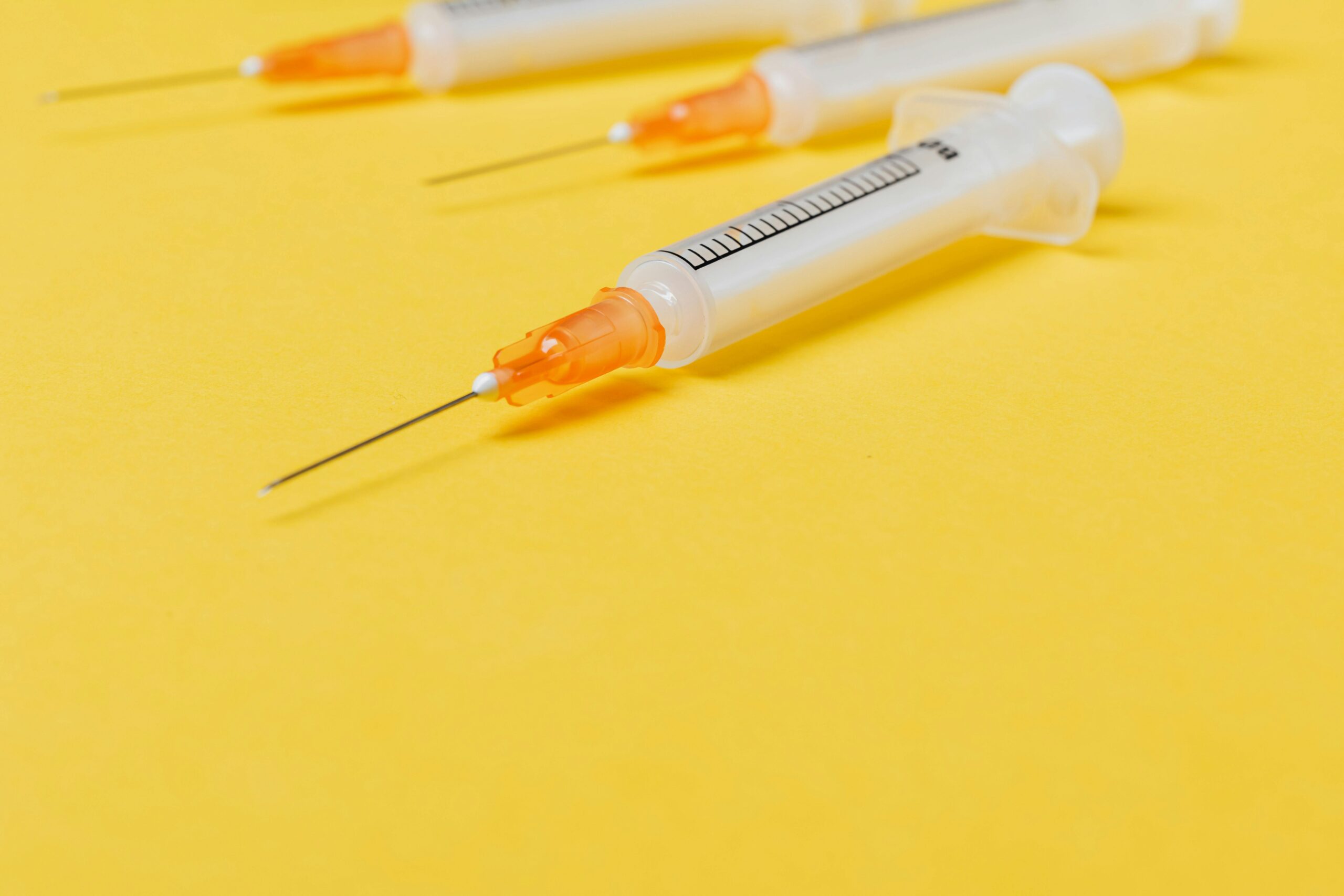
Did you know that your own blood contains powerful anti-inflammatory proteins that can potentially slow knee arthritis progression? APS (Autologous Protein Solution) injection represents a biological treatment approach for knee osteoarthritis that concentrates anti-inflammatory proteins and growth factors from your own blood.
This single-session therapy processes 60ml of blood to create a concentrated solution containing cytokines like IL-1ra (interleukin-1 receptor antagonist) and growth factors, including IGF-1 (insulin-like growth factor-1), which are then injected directly into the affected knee joint.
APS injection delivers naturally occurring proteins that block inflammatory pathways while simultaneously promoting tissue repair mechanisms. The treatment targets the inflammatory cascade of osteoarthritis, offering potential benefits for patients with mild to moderate knee arthritis who haven’t responded adequately to conservative measures. If ongoing pain, stiffness, or reduced mobility is affecting daily life, seeing a knee specialist in Singapore can help determine whether APS injection is a suitable non-surgical option.
How APS Injection Works
The APS system separates and concentrates specific blood components through a dual-chamber processing device. White blood cells and platelets undergo controlled activation, releasing anti-inflammatory cytokines and anabolic growth factors into the solution. The final product contains IL-1ra concentrations approximately 5-6 times higher than standard blood levels, along with elevated concentrations of IL-4, IL-10, and IL-13.
These concentrated proteins work through multiple mechanisms within the joint. IL-1ra competitively blocks IL-1β receptors on chondrocytes and synoviocytes, preventing the inflammatory signalling that leads to cartilage breakdown and synovial inflammation. Growth factors like IGF-1 and TGF-β stimulate chondrocyte proliferation and extracellular matrix production, potentially slowing cartilage degeneration.
The anti-inflammatory proteins reduce the production of matrix metalloproteinases (MMPs) – enzymes responsible for breaking down cartilage, collagen and proteoglycans. Simultaneously, anabolic factors increase the production of tissue inhibitors of metalloproteinases (TIMPs), shifting the joint environment from catabolic to anabolic.
APS injection can maintain therapeutic protein levels within the synovial fluid for several weeks after administration. The sustained presence of these bioactive molecules allows for continued modulation of the inflammatory environment.
The APS Treatment Process
Initial Consultation and Assessment
Your orthopaedic surgeon evaluates your knee through physical examination, reviewing the range of motion, stability, and specific pain patterns. Weight-bearing X-rays assess joint space narrowing, osteophyte formation, and overall arthritis severity using the Kellgren-Lawrence grading scale. MRI may be ordered to evaluate cartilage thickness, meniscal integrity, and subchondral bone changes.
Blood tests, including complete blood count, inflammatory markers (ESR, CRP), and coagulation studies, help determine suitability for the procedure. Patients taking anticoagulants require medication adjustment protocols. Active infections, blood disorders, or severe arthritis (Kellgren-Lawrence grade 4) may contraindicate treatment.
Blood Collection and Processing
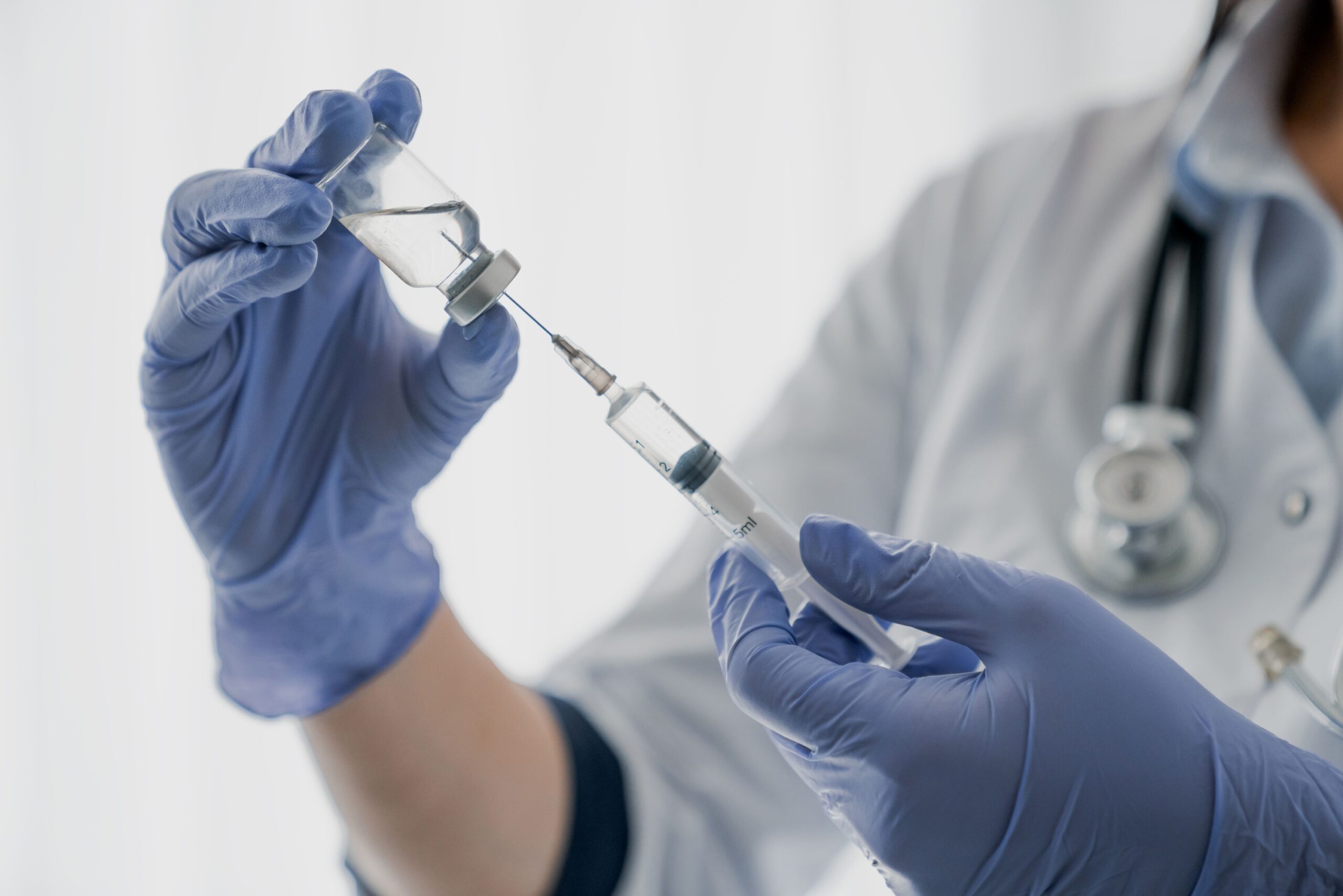
The procedure begins with venipuncture to collect 60ml of blood using the APS kit’s collection syringes containing anticoagulant citrate dextrose solution (ACD-A). This volume allows adequate concentration of therapeutic proteins while maintaining safety margins for blood draw.
Blood processing occurs immediately using the nSTRIDE APS kit’s centrifugation system. The first spin at 3,200 rpm for 15 minutes separates red blood cells from the buffy coat, which contains platelets and white blood cells. The second processing step concentrates the cellular components and triggers controlled activation, releasing the therapeutic proteins into solution.
Injection Procedure
The knee is sterilely prepared with chlorhexidine or povidone-iodine solution. Using either the superolateral or inferolateral approach, the surgeon inserts a 21-gauge needle into the joint space and confirms intra-articular placement by aspirating synovial fluid, if present.
The 2-3ml APS solution is injected slowly over 30-60 seconds to distribute within the joint capsule. Some practitioners perform gentle knee flexion-extension movements post-injection to facilitate the dispersal of the solution. The injection site is dressed with a sterile dressing, and patients rest for 15-20 minutes before discharge.
Recovery and Expected Timeline
Immediate Post-Injection Period (Days 1-7)
Mild to moderate knee discomfort occurs during the first 48-72 hours as the concentrated proteins initiate their biological effects. Ice application for 15-20 minutes every 2-3 hours helps manage initial inflammation. Paracetamol provides adequate analgesia, though NSAIDs should be avoided as they may interfere with the treatment’s biological mechanisms.
Activity modification includes avoiding high-impact activities, prolonged standing, or exercises that load the knee joint. Gentle range-of-motion exercises prevent stiffness while allowing the APS proteins to work within the joint environment. Walking with normal gait patterns continues as tolerated.
Early Recovery Phase (Weeks 2-4)
Pain reduction typically begins during this period as anti-inflammatory proteins modulate the joint environment. Patients gradually increase activity levels by incorporating low-impact exercises such as stationary cycling, swimming, or elliptical training. Quadriceps strengthening exercises progress from isometric contractions to isotonic movements as comfort allows.
Physical therapy may support outcomes through structured rehabilitation focusing on muscle strengthening, proprioception training, and gait optimisation. Therapists monitor knee response and adjust exercise intensity based on symptoms and functional improvements.
Long-term Outcomes (Months 2-12)
Clinical improvements often continue developing through the third month as the biological effects of growth factors manifest. Patients frequently report decreased morning stiffness, improved walking distance, and reduced dependence on oral analgesics. Functional improvements in activities like stair climbing, rising from chairs, and recreational activities become apparent.
Response durability varies among individuals, with some experiencing benefits lasting 12-24 months. Factors influencing response duration include baseline arthritis severity, body mass index, activity levels, and adherence to rehabilitation protocols. Repeat injections may be considered after 12 months if the initial treatment provided a meaningful benefit.
Candidates for APS Injection
Suitable Candidates
Patients with Kellgren-Lawrence grade 2-3 knee osteoarthritis may respond to APS therapy. These individuals show mild to moderate joint space narrowing, with preserved joint architecture, allowing biological interventions to potentially modify disease progression. Age ranges typically span 40-75 years, though biological age and activity levels matter more than chronological age.
Previous failed conservative treatments, including physical therapy, weight management, and oral medication, indicate appropriateness for biological intervention. Patients maintaining active lifestyles who wish to delay or avoid surgical intervention represent suitable candidates. Those with isolated medial or lateral compartment involvement often respond to treatment compared with those with tricompartmental disease.
Contraindications and Considerations
Systemic inflammatory conditions like rheumatoid arthritis or psoriatic arthritis require different treatment approaches than osteoarthritis. Active infections anywhere in the body contraindicate injection until resolved. Blood disorders, including thrombocytopenia or anaemia, affect the quality of APS preparation.
Severe knee deformity with mechanical axis deviation typically requires surgical correction rather than biological therapy. End-stage arthritis with complete joint space loss and significant osteophyte formation shows a limited response to APS injection. Patients with unrealistic expectations or an inability to comply with post-injection protocols may not achieve outcomes.
💡 Did You Know?
APS injection differs from PRP (platelet-rich plasma) by specifically concentrating white blood cells alongside platelets, creating higher concentrations of anti-inflammatory proteins that directly counteract the IL-1β inflammatory pathway central to osteoarthritis progression.
Comparing APS with Other Injection Therapies
APS vs Hyaluronic Acid
Hyaluronic acid injections provide viscosupplementation, temporarily restoring synovial fluid properties through mechanical lubrication. Treatment requires 3-5 weekly injections with effects.
Conclusion
APS injection offers a biological approach for mild to moderate knee osteoarthritis by concentrating your body’s own anti-inflammatory proteins. The single-session treatment may provide 12-24 months of symptom relief and functional improvement. Success depends on appropriate patient selection, particularly those with Kellgren-Lawrence grade 2-3 arthritis who haven’t responded to conservative treatments.
If you are experiencing knee pain, morning stiffness, or difficulty with daily activities such as climbing stairs or walking longer distances, consult an orthopaedic specialist in Singapore to determine whether an APS injection is appropriate for your condition.