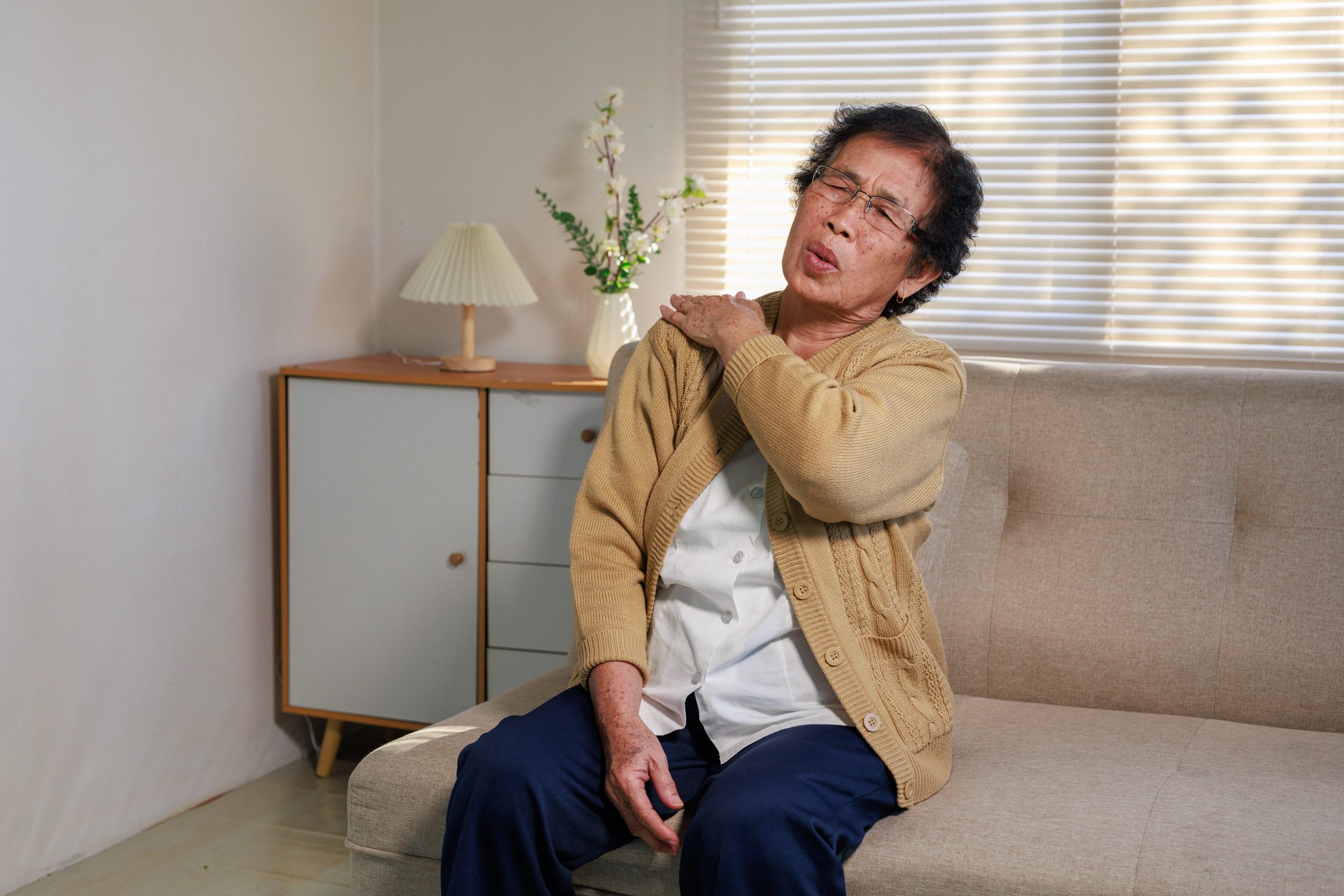
A complete rotator cuff tear requiring surgical repair typically needs six to twelve months before a patient can return to overhead sports or heavy lifting, often longer than most patients expect at diagnosis. Recovery unfolds in distinct biological phases: inflammation over several days, tissue proliferation over weeks, and remodelling that continues for months. Adherence to your rehabilitation protocol matters as much as the initial treatment choice.
Healing Timeline for Non-Surgical Treatment
The rotator cuff comprises four muscles (supraspinatus, infraspinatus, teres minor, and subscapularis) that stabilise the shoulder joint and enable arm rotation. These tendons have relatively poor blood supply compared to muscles, which directly affects healing time.
Age-related changes in tendon quality also play a role, with younger patients generally healing faster than those over 60.
Conservative management suits low grade partial-thickness tears, and tears in patients with lower physical demands. Initial pain and inflammation typically subside within two to four weeks with rest, ice, and anti-inflammatory measures.
- Weeks 2 to 4: Acute pain settles; the shoulder is protected from stress-inducing movements.
- Weeks 6 to 12: Active rehabilitation progresses from gentle range-of-motion work to strengthening.
- By month 3: Many patients notice meaningful functional improvement, though complete tissue healing may continue beyond this point.
- Months 3 to 6: Full recovery for partial tears, with larger partial tears or degenerative tissue changes sometimes needing longer rehabilitation or eventual surgical consideration.
Surgical Repair Recovery Phases
Recovery after surgical repair moves through four broad stages, each with its own goals and restrictions.
- Immediate post-operative period (weeks 0 to 6): A sling immobilises the shoulder for three to six weeks depending on tear size and technique. Passive range-of-motion exercises begin within days to prevent stiffness without stressing the repair. Driving, lifting, and reaching remain restricted.
- Early rehabilitation: Active-assisted exercises replace passive movement as tendon-to-bone healing progresses, and the sling is typically discontinued. Light daily activities like eating, typing, and personal care become manageable, though strengthening exercises are not yet introduced since the healing tendon cannot withstand resistance loading.
- Strengthening phase (around months 3 to 5): Progressive resistance training begins once imaging or clinical assessment confirms adequate healing, starting with light bands and bodyweight exercises. Overhead movements and external rotation are introduced carefully, and many patients can attempt modified-stroke swimming by this stage.
- Return to full activity (months 6 to 12): High-demand activities such as throwing sports, heavy lifting, and contact sports require the longest recovery. Many patients return to daily and light recreational activities within 4 to 6 months, while full clearance for overhead sport or heavy lifting typically falls between 9 and 12 months, with some continuing to see minor strength gains beyond the one-year mark.
Factors That Influence Healing Duration
- Tear size: Small tears (under 1 cm) tend to heal faster than medium tears (1 to 3 cm), which generally recover faster than large or massive tears (over 3 cm). Tear retraction, how far the tendon has pulled from its attachment, also affects surgical complexity.
- Muscle atrophy: Chronic tears with muscle wasting or fatty infiltration take considerably longer to rebuild strength than acute injuries with healthy muscle tissue.
- Tissue quality: Degenerative tears in older patients involve tissue that repairs more slowly and less completely than healthy tendon injured by acute trauma. Diabetes, smoking, and certain medications can further affect healing.
- Bone quality: Adequate bone density and blood supply at the repair site support better surgical outcomes, since the tendon must heal to bone.
- Rehabilitation adherence: Consistent physiotherapy attendance correlates strongly with better outcomes. Overly aggressive rehabilitation, pushing too hard too soon, carries its own re-injury risk.
Did You Know?
Rotator cuff tendon healing to bone happens through a staged biological process: initial scar tissue forms within the first weeks, then gradually matures and strengthens over months. This is one reason early repairs can feel stable yet still need protection; the tissue needs time to develop adequate strength (Source: ScienceDirect review on rotator cuff healing biology, linked below).
Comparing Treatment Approaches
The right approach depends on tear characteristics, activity demands, and individual healing capacity.
- Non-surgical treatment offers a shorter initial recovery but may not restore full function for active individuals or those with complete tears; the trade-off is accepting some persistent weakness in exchange for avoiding surgery.
- Surgical repair requires a longer upfront time investment but offers potential for more complete restoration in suitable candidates.
- A trial of conservative treatment first, moving to surgery only if function remains unsatisfactory after several months, works well for partial tears and lower-demand patients but may suit acute traumatic tears in active individuals less well.
Realistic Expectations During Recovery
What to expect at each stage:
- Week 2: Surgical site healing, manageable pain with medication, limited arm use
- Week 6: Sling removal, beginning active movement, independence for basic activities
- Month 3: Light daily activities comfortable, starting gentle strengthening
- Month 6: Many work and recreational activities possible, ongoing strength building
- Months 9 to 12: Return to demanding activities for many patients
Common recovery challenges:
- Night pain often persists longer than daytime discomfort, sometimes for several months.
- Stiffness requiring extra stretching affects some patients, particularly those with pre-existing shoulder tightness or prolonged immobilisation.
- Strength recovery typically lags behind pain improvement and range of motion, so patients often feel ready before their tissue has adequate strength, making it important to stick to the timeline despite feeling better.
Important Note:
Re-tear rates increase when patients return to heavy lifting or overhead sports before completing the full rehabilitation protocol, even when the shoulder feels recovered.
What Our Orthopaedic Surgeon Says
Patients who understand their specific tear characteristics and commit to the rehabilitation timeline generally achieve better outcomes. The most challenging aspect of rotator cuff recovery is often the patience required; the shoulder frequently feels functional before the repair has adequate strength for demanding activities.
Working closely with your surgical team and physiotherapist helps navigate this gap between perceived readiness and tissue healing.
Optimising Your Recovery
- Follow immobilisation guidelines precisely. Early restriction feels limiting but protects your repair during the vulnerable healing phase.
- Attend all physiotherapy sessions. Supervised rehabilitation adjusts exercises to your progress and catches problems early.
- Perform home exercises consistently. Daily stretching and strengthening between sessions supports recovery.
- Communicate changes to your treatment team. New pain, clicking, or sudden weakness may need assessment.
- Plan work and activity modifications in advance. Arranging help with driving, household tasks, and work duties reduces stress during recovery.
When to Seek Professional Help
- Shoulder pain persisting beyond two weeks despite rest and anti-inflammatory measures
- Weakness when lifting the arm away from the body or rotating outward
- Night pain disrupting sleep for more than several nights
- Pain or weakness following a specific injury or fall
- Limited range of motion not improving with gentle stretching
- Previous rotator cuff problems with recurring symptoms
Commonly Asked Questions
Can a rotator cuff tear heal without surgery?
Partial tears can heal to a certain extent with conservative treatment, particularly for patients with lower physical demands. The tendon may not regenerate completely, but surrounding muscles can often compensate for comfortable daily function. Complete healing to the pre-injury state without surgery is uncommon for full-thickness tears.
Why does rotator cuff surgery require such a long recovery?
The tendon heals to bone through a gradual biological process that cannot be sped up. Initial scar tissue forms within weeks but needs months to mature and strengthen. Loading the repair before this maturation completes risks pulling the tendon away from bone, hence the extended protection period.
What activities can I do during recovery?
Walking and lower body exercise are encouraged throughout recovery. Upper body activity progresses from passive movement to active motion to strengthening over months, with specific timelines depending on your repair and surgeon’s protocol; some activities resume at six weeks while others need six months or longer.
How do I know if my rotator cuff repair has failed?
Sudden pain, weakness, or loss of motion after a period of improvement may suggest re-tear. Some re-tears cause obvious symptoms while others turn up incidentally on imaging. Persistent weakness despite completing rehabilitation warrants assessment, though some weakness is expected even with successful repairs.
Is the recovery different for partial versus complete tears?
Partial tear repairs generally allow faster rehabilitation progression, with many protocols advancing strengthening earlier than complete tear repairs. Individual factors often matter more than tear classification alone; a healthy partial tear in a younger patient recovers differently than a degenerative partial tear in an older patient.
Next Steps
Tear size, tissue quality, and rehabilitation adherence are the primary determinants of recovery duration. Non-surgical treatment suits partial tears and lower-demand patients, while complete tears in active individuals typically need surgical repair followed by structured rehabilitation lasting many months. Returning to heavy lifting or overhead activities before the repair has fully matured meaningfully increases re-tear risk.
If you are experiencing shoulder weakness when lifting your arm away from the body, persistent night pain, or loss of overhead movement following an injury, an accredited orthopaedic specialist can assess your rotator cuff and recommend an appropriate treatment plan.