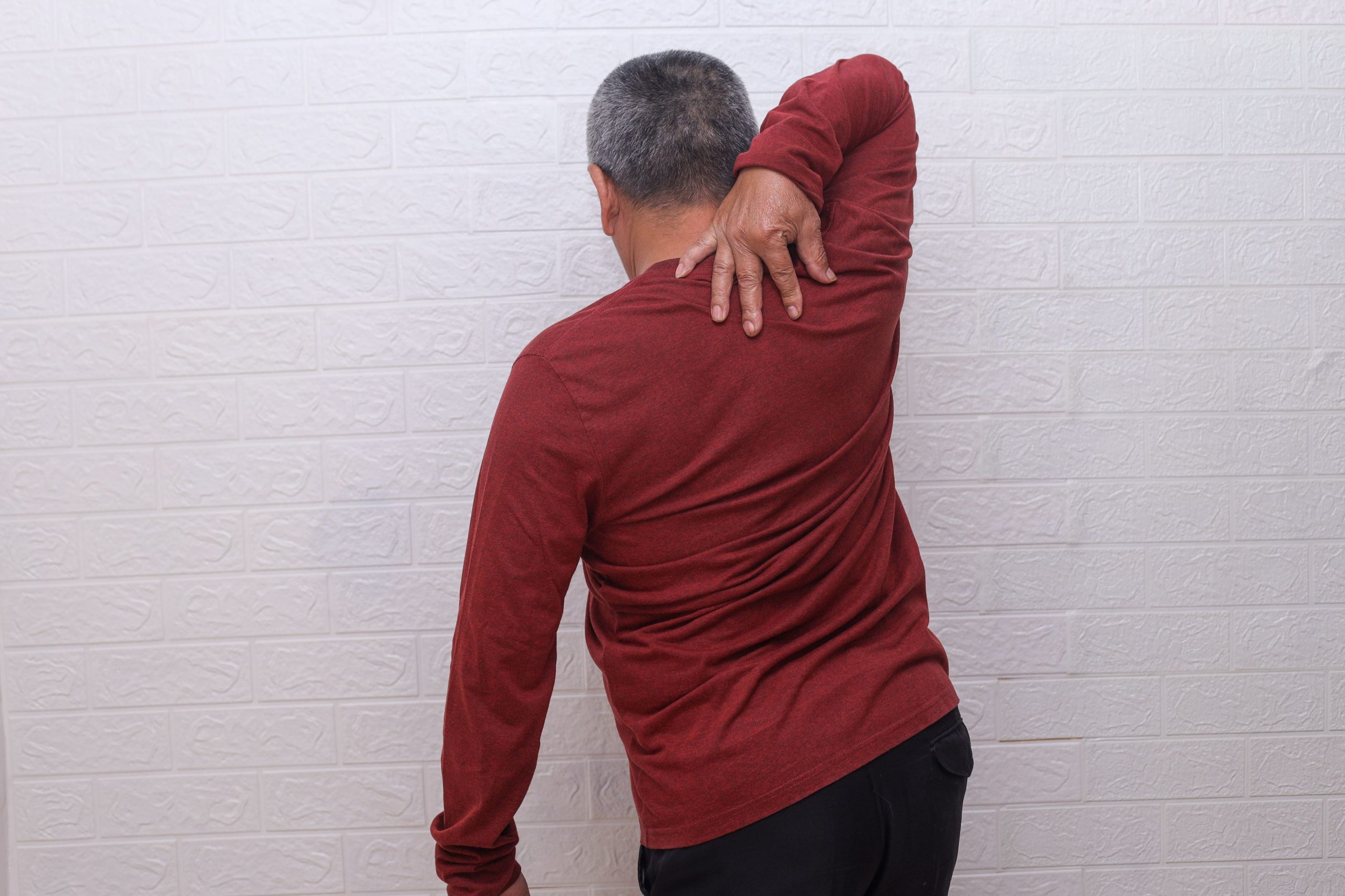
The shoulder blade, or scapula, acts as a vital anchor point connecting the muscles of the arm, neck, and spine. Pain in this region can range from a dull ache to a sharp, burning sensation, often signalling dysfunction in the surrounding joints, muscles, or nerves. By identifying specific triggers—such as discomfort during deep breathing or arm movement—you may be able to better understand whether the source is likely muscular, spinal, or related to the rotator cuff.
Muscular Causes of Shoulder Blade Pain
Common muscular issues often stem from repetitive strain or weakness in the muscles that stabilise the scapula against the ribcage.
- Rhomboid Strain: Trigger points from desk work can create a deep, persistent ache between the spine and the inner border of the shoulder blade.
- Levator Scapulae Tension: Tightness in this muscle may cause pain at the top corner of the scapula that frequently radiates into the neck.
- Serratus Anterior Weakness: Insufficient support from this muscle often leads to “scapular winging,” which can cause diffuse pain during overhead reaching or swimming.
Postural Contributors to Scapular Discomfort
Modern lifestyle habits often lead to postural imbalances that force upper back muscles to work continuously against gravity.
- Forward Head Posture: Shifting the skull’s centre of gravity forward can create chronic fatigue and trigger points in the muscles surrounding the shoulder blades.
- Rounded Shoulders: This position may weaken the scapular retractors while shortening chest muscles, often leading to muscular imbalances and interscapular pain.
- Thoracic Kyphosis: Excessive rounding of the upper back alters the mechanical alignment of the shoulder blades, potentially contributing to chronic aching, restricted movement, and shoulder impingement syndrome.
Spinal Sources of Shoulder Blade Pain
Cervical disc issues in the lower neck can refer sharp pain directly into the shoulder blade region, often accompanied by stiffness or arm weakness. Additionally, dysfunction in the thoracic facet joints or costovertebral joints can create localised spinal pain that radiates outward toward the scapula. These spinal triggers are often distinguishable because they typically worsen with neck movement, back rotation, or deep breathing.
Referred Pain Patterns
Internal organ issues can manifest as referred pain in the shoulder blade because they share common nerve pathways with the musculoskeletal system. For instance, gallbladder inflammation typically refers pain to the right scapula, while cardiac distress may involve the left shoulder blade along with chest pressure. Lung conditions like pleurisy or pneumonia can also cause sharp scapular pain that often intensifies during inhalation or coughing.
How to Relieve Shoulder Blade Pain Through Movement
Targeted exercises and stretches may help restore mobility to the upper back and ease tension in the muscles supporting the scapula.
- Scapular Retractions: Squeeze your shoulder blades together as if holding a pencil between them to help strengthen the rhomboids and middle trapezius.
- Thoracic Extension: Use a foam roller horizontally across your upper back to gently extend backwards, addressing stiffness in the thoracic spine.
- Levator Scapulae Stretch: Tilt your chin toward your armpit to release tension in the muscle connecting your neck to the top of the shoulder blade.
- Doorway Pectoral Stretch: Place your forearm against a doorframe and step through to counteract chest tightness and rounded shoulders.
Workplace Modifications for Lasting Relief
Optimising your desk setup can be highly beneficial for reducing the sustained muscle contractions that often lead to chronic shoulder blade discomfort.
- Monitor Height: Position the top of your screen at or slightly below eye level at arm’s length to prevent forward head posture.
- Peripheral Placement: Keep your keyboard and mouse close enough that your elbows stay tucked at your sides in a neutral position.
- Movement Breaks: Stand periodically and perform shoulder rolls or neck rotations to reset your posture-supporting muscles.
- Lumbar Support: Use a chair that supports the natural curve of your lower back to maintain proper spinal alignment and prevent hunching.
Self-Care Techniques for Pain Management
Simple at-home methods may offer temporary symptomatic relief by addressing localised trigger points and muscle inflammation.
- Tennis Ball Release: Lean against a tennis ball placed between your shoulder blade and a wall to apply pressure to tender trigger points.
- Heat Application: Use a heating pad to help relax chronically tight muscles and increase blood flow to the scapular region.
- Cold Therapy: Apply ice wrapped in a cloth to acute, inflamed areas to help reduce swelling and provide temporary numbing relief.
- Self-Massage: Gently work along the inner border of your shoulder blade with your hand or a tool to help release superficial tension.
What Our Orthopaedic Surgeon Says
Persistent shoulder blade pain often stems from underlying structural issues that require professional imaging, such as X-rays or MRIs, to identify disc or joint degeneration. A specialist evaluation helps distinguish between muscular and nerve-related sources, aiming to provide a personalised treatment plan involving physiotherapy, injections, or surgery in suitable candidates.
Putting This Into Practice
- Micro-break movement routine: Set reminders to perform shoulder blade squeezes and gentle neck movements regularly during desk work. These brief movement breaks may help prevent muscle fatigue accumulation.
- Morning mobility sequence: Before starting your day, spend some time on thoracic rotation stretches and scapular movements. This can help prepare your muscles for daily activities and address overnight stiffness.
- Evening release practice: End your day with tennis ball or foam roller work targeting areas that accumulated tension. Consistent evening release aims to prevent tension from building over multiple days.
- Sleep position awareness: Avoid stomach sleeping, which forces neck rotation and shoulder compression. Side sleeping with a supportive pillow maintaining neck alignment generally reduces morning shoulder blade stiffness.
- Bag carrying habits: Alternate shoulders when carrying bags, or use a backpack with both straps to distribute weight evenly. Asymmetric carrying often creates muscle imbalances that can contribute to shoulder blade pain.
When to Seek Professional Help
- Pain persisting beyond a reasonable period despite self-care measures
- Numbness, tingling, or weakness in your arm or hand
- Pain that wakes you from sleep
- Shoulder blade pain accompanied by chest discomfort or shortness of breath
- Pain following trauma such as a fall or motor vehicle accident
- Progressive worsening of symptoms over time
- Pain that significantly limits your ability to work or perform daily activities
Commonly Asked Questions
Can stress cause shoulder blade pain?
Emotional stress can trigger muscle tension, particularly in the neck and upper back. The trapezius and levator scapulae muscles commonly hold stress-related tension, which may create shoulder blade region pain. Stress management techniques combined with muscle release work often help address both the cause and symptoms.
Why does my shoulder blade pain worsen at night?
Sleeping positions may compress or stretch irritated structures. Inflammatory conditions often produce increased pain at rest when anti-inflammatory hormones naturally decrease. Persistent night pain warrants evaluation to rule out conditions requiring specific treatment.
Should I exercise with shoulder blade pain?
Gentle movement often helps muscular shoulder blade pain, but sharp pain or pain that worsens with specific movements suggests you should modify or avoid those activities. Low-intensity exercises that don’t provoke symptoms typically benefit recovery, while high-intensity or overhead activities may need temporary modification.
How long does shoulder blade pain typically last?
Muscular shoulder blade pain from minor strain or postural stress can often improve within a reasonable timeframe with appropriate self-care, though response times vary depending on your specific condition. Pain lasting beyond this timeframe, or pain that initially improves then returns, may indicate underlying conditions requiring professional evaluation.
Can poor posture permanently damage my shoulders?
Sustained poor posture can create adaptive shortening and lengthening of muscles, but these changes generally respond to corrective exercises and postural modification. Structural changes to joints and discs may develop over longer timeframes with persistent abnormal loading, making early posture correction worthwhile.
Next Steps
Shoulder blade pain with a muscular or postural origin typically responds to scapular retraction exercises, thoracic mobility work, and workstation adjustments. Pain accompanied by arm numbness, tingling, or weakness indicates possible nerve involvement and requires professional assessment. Shoulder blade pain alongside chest discomfort, shortness of breath, or fever warrants prompt medical evaluation to rule out cardiac or pulmonary causes.
If you are experiencing persistent shoulder blade pain, arm numbness or tingling, pain that wakes you from sleep, or shoulder blade pain accompanied by chest discomfort or shortness of breath, consult an orthopaedic specialist for a thorough evaluation and targeted treatment plan.