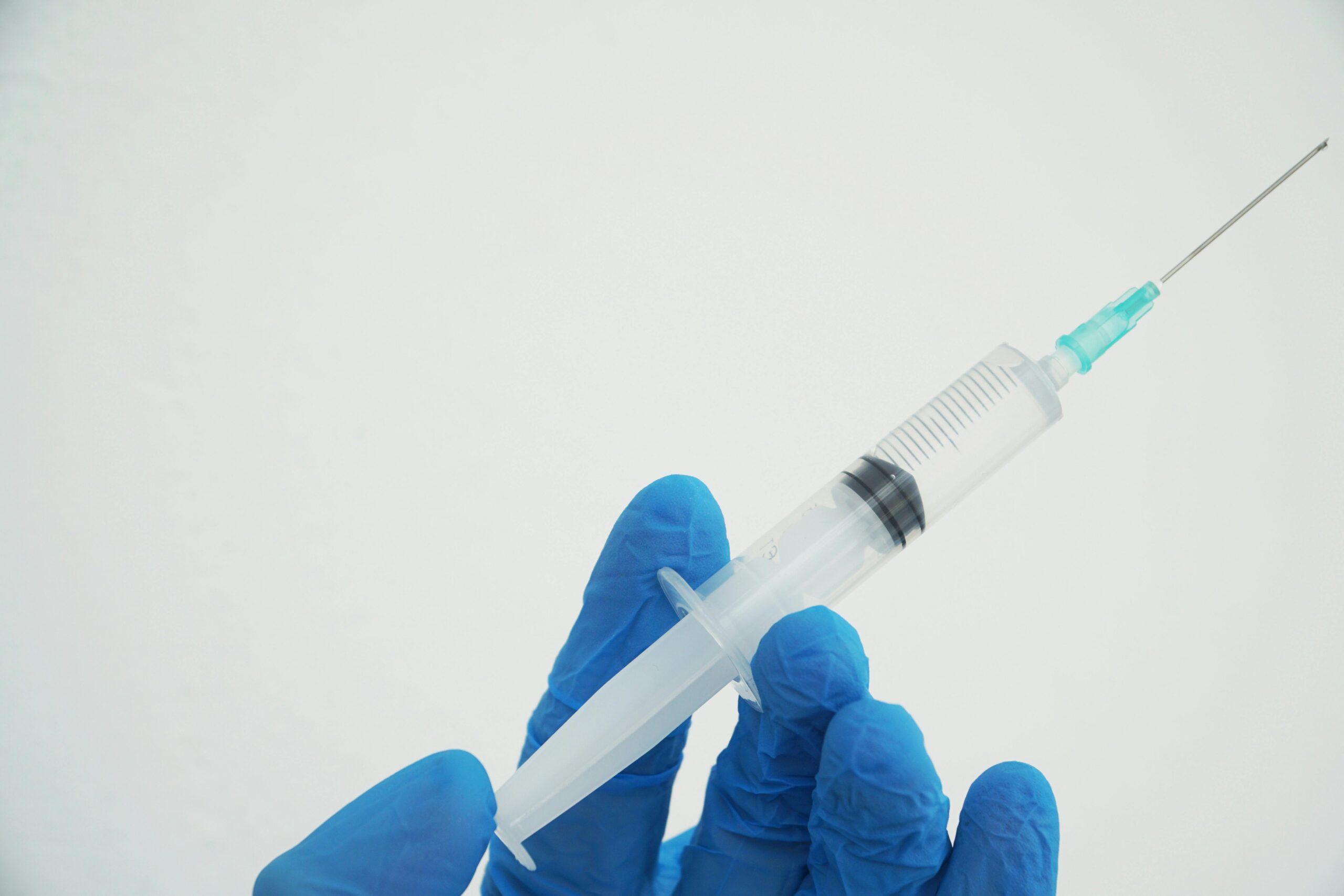
Did you know that your knee joint produces its own natural lubricant that becomes less effective as you age? Viscosupplement injections deliver hyaluronic acid directly into the knee joint to supplement the natural synovial fluid that cushions and lubricates the joint. These injections target osteoarthritis symptoms by restoring the viscosity and elasticity of joint fluid, which deteriorate with age and progression of arthritis. As an advanced knee pain treatment in Singapore, the procedure may benefit patients with mild to moderate knee osteoarthritis who haven’t responded adequately to conservative treatments like physiotherapy and oral medications.
Hyaluronic acid naturally occurs in healthy joint fluid, providing shock absorption and reducing friction between cartilage surfaces. In arthritic knees, this concentration decreases, leading to increased mechanical stress on the joint. Viscosupplement injections restore these levels temporarily, with effects typically lasting 6-12 months, depending on the specific product used and individual patient factors.
Singapore’s healthcare system offers several FDA and HSA-approved viscosupplement options, each with distinct molecular weights and injection protocols. The choice between single-injection and multi-injection regimens should be determined by a healthcare professional based on your specific arthritis severity, activity level, and previous treatment responses.
Types of Viscosupplement Injections Available
Single-Injection Formulations
Hylan polymers contain 6 mL of cross-linked hylan polymers with a molecular weight of 6,000 kDa, providing the entire treatment course in a single injection. The high molecular weight mimics young, healthy synovial fluid more closely than standard hyaluronic acid preparations. Pain relief typically begins 2-4 weeks after injection, with peak effectiveness at 8-12 weeks.
Partially cross-linked sodium hyaluronate is used, which is partially cross-linked with a molecular weight of 2,000-3,000 kDa. The 4ml injection contains 88mg of hyaluronic acid, designed to remain in the joint space longer than non-cross-linked formulations. The single-injection protocol reduces clinic visits and minimises repeated joint puncture risks.
NASHA (Non-Animal Stabilised Hyaluronic Acid) technology employs NASHA technology with 20mg of hyaluronic acid in a 3ml solution. The stabilisation process creates a gel with prolonged joint residence time, maintaining therapeutic concentrations for up to 6 months.
Multi-Injection Series
Sodium hyaluronate (low molecular weight) requires five weekly injections of 2ml each, containing sodium hyaluronate with a molecular weight of 500-730 kDa. The lower molecular weight allows easier diffusion through synovial tissue but requires multiple injections to achieve a therapeutic effect. Each injection delivers 20mg of hyaluronic acid.
Purified sodium hyaluronate involves five weekly injections of 2.5ml, using purified sodium hyaluronate from rooster combs. The molecular weight of 620-1,170 kDa balances tissue penetration with joint residence time. Some patients report symptom improvement after the third injection.
Bacterially derived sodium hyaluronate consists of three weekly injections of 2 mL each, containing 20mg of sodium hyaluronate derived from bacterial fermentation. This avian-free source eliminates potential allergic reactions to bird proteins. The molecular weight of 2,400-3,600 kDa provides sustained joint lubrication.
The Injection Procedure
Pre-Injection Preparation
Your orthopaedic surgeon evaluates knee X-rays to confirm osteoarthritis severity and rule out complete joint space loss, which would contraindicate viscosupplementation. Blood tests aren’t routinely required unless you have bleeding disorders or take anticoagulation medications. The injection site requires antiseptic preparation with chlorhexidine or iodine solution.
Knee effusion (excess fluid) requires aspiration before viscosupplement injection to ensure proper distribution of the medication. The aspirated fluid volume and appearance provide diagnostic information about inflammation levels and potential infection. Clear, straw-coloured fluid typically indicates mechanical arthritis, while cloudy fluid suggests the presence of inflammatory components.
Injection Technique
The injection typically uses either a lateral suprapatellar or anterolateral approach with the knee flexed at 20-30 degrees. Ultrasound guidance improves injection accuracy, particularly in patients with obesity or altered knee anatomy. The needle placement targets the suprapatellar pouch or lateral joint compartment, avoiding contact with cartilage surfaces.
Local anaesthetic isn’t routinely used as the injection discomfort resembles a blood draw. The viscosupplement injection takes 30-60 seconds, with a slower injection reducing procedural pain. Some formulations require gentle warming to room temperature before injection to improve flow characteristics.
Post-Injection Protocol
Weight-bearing activities can resume immediately; however, vigorous exercise should be avoided for 48 hours to allow the medication to distribute evenly throughout the joint. Ice application for 10-15 minutes reduces injection site discomfort. Mild soreness or swelling occurs in some patients during the first 24-48 hours.
Range-of-motion exercises starting the day after injection help distribute the viscosupplement throughout the joint space. Gentle knee flexion and extension performed 10-15 times, three times daily, may help optimise treatment distribution without excessive stress on the joint.
Expected Treatment Outcomes
Timeline of Improvement
Pain reduction may begin 2-4 weeks after completing the injection series, with potential maximum benefit at 8-12 weeks. Initial improvements may include reduced morning stiffness and easier movement initiation. Walking distance may increase gradually, with patients sometimes reporting the ability to climb stairs with less discomfort by the end of week 6.
Function improvements may precede pain reduction, with patients sometimes noticing smoother joint movement and a decrease in grinding sensations. The viscosupplement’s shock-absorbing properties may become apparent during weight-bearing activities, such as standing from a seated position or descending stairs.
Duration of Benefits
Treatment effects may persist for 6-12 months, although individual responses vary based on the severity of arthritis, body weight, and activity levels. Patients with milder osteoarthritis may experience longer symptom relief than those with more severe disease.
Repeat injection series can help maintain benefits, with patients sometimes receiving annual or biannual treatments. The effectiveness of repeat injections may remain consistent in most patients, though some experience gradually diminishing returns after multiple treatment cycles.
Combination with Other Treatments
Viscosupplement injections complement rather than replace other osteoarthritis treatments. Continuing physiotherapy exercises help maintain muscle strength and joint flexibility, potentially extending the benefits of injections. Quadriceps strengthening exercises may enhance knee stability and reduce mechanical stress on arthritic cartilage.
Weight management may amplify viscosupplement effectiveness by reducing joint loading. Combining viscosupplementation with structured weight loss programs may improve both pain scores and functional outcomes.
Candidacy and Contraindications
Candidates
Patients with Kellgren-Lawrence Grade 2-3 knee osteoarthritis who maintain some joint space on X-rays may respond to viscosupplementation. An age between 40 and 80 years with symptoms persisting despite 3-6 months of conservative treatment indicates an appropriate timing for consideration. Active individuals who wish to delay or avoid knee replacement surgery may find viscosupplementation helpful for maintaining function.
Previous positive response to viscosupplement injections may predict future treatment success. Patients who achieved 6 months or more of symptom relief from prior injections may experience similar or better outcomes with repeat treatment.
Contraindications
An active knee infection contraindicates viscosupplement injections due to potential bacterial spread. Skin infections near the injection site require complete resolution before treatment. Known hypersensitivity to hyaluronic acid or gram-positive bacterial proteins (for certain formulations) may preclude the use of specific products.
Severe knee osteoarthritis with bone-on-bone contact exhibits a minimal response to viscosupplementation, as no joint space remains for the medication to act upon. These patients require consideration of surgical options, including knee replacement or osteotomy procedures.
Special Considerations
Patients taking warfarin or novel oral anticoagulants can receive viscosupplement injections with appropriate INR monitoring. Direct oral anticoagulants don’t require routine cessation, though timing injections at trough drug levels minimises bleeding risk.
Diabetes doesn’t contraindicate treatment, although blood glucose monitoring is helpful, as transient elevations occasionally occur. Immunosuppressed patients require careful monitoring for infections, but can proceed with appropriate precautions.
Potential Side Effects and Risks
Common Reactions
Injection site pain is a common reaction, typically resolving within 48 hours. The discomfort resembles post-exercise soreness rather than sharp pain. Ice application and paracetamol may provide relief in most cases.
Knee swelling or warmth occurs less frequently, typically developing 24-72 hours after injection. This reaction represents local irritation rather than infection, distinguished by the absence of fever and regular inflammatory markers. Elevation and compression help reduce the duration of swelling.
Rare Complications
Septic arthritis is a rare complication when proper sterile technique is followed. Warning signs include severe pain, fever, and marked joint swelling developing 2-5 days post-injection. Medical evaluation and joint aspiration can help confirm the diagnosis.
Pseudoseptic reactions mimic infection but involve sterile inflammation. These reactions typically occur within 24-48 hours of injection, earlier than true infections. Joint aspiration reveals the presence of inflammatory cells without bacteria, and symptoms may resolve with the use of NSAIDs and rest.
⚠️ Pseudoseptic reactions mimic infection but involve sterile inflammation. These reactions typically occur within 24-48 hours of injection, earlier than true infections. Joint aspiration reveals inflammatory cells without bacteria, and symptoms may resolve with NSAIDs and rest.
Managing Adverse Effects
Mild reactions may respond to conservative measures, including rest, ice, compression, and elevation (RICE protocol). NSAIDs, such as ibuprofen, may help alleviate inflammatory symptoms. A healthcare professional can advise on appropriate dosage and duration. Persistent symptoms beyond 72 hours warrant medical re-evaluation.
Allergic reactions remain extremely rare with modern formulations. Patients with known avian allergies should discuss alternative bacteria-derived products with their healthcare provider rather than rooster comb-derived options. Previous responses to one viscosupplement type don’t preclude trying alternative formulations under medical supervision.
What Our Orthopaedic Specialist Says
Viscosupplement injections are part of a comprehensive osteoarthritis management strategy, rather than a standalone treatment. The mechanical benefits of improved joint lubrication combine with muscle strengthening and weight optimisation.
Treatment timing impacts outcomes – initiating viscosupplementation while adequate cartilage remains may yield better results than waiting until severe degeneration occurs. The presence of mechanical symptoms, such as catching or locking, suggests additional pathology that requires arthroscopic evaluation before viscosupplementation.
Patient selection is essential for treatment success. Those with inflammatory arthritis components may require concurrent corticosteroid therapy or disease-modifying medications. Understanding realistic expectations helps patients appreciate the symptom management aspect of viscosupplementation rather than its curative nature.
Conclusion
Viscosupplement injections offer temporary symptom relief for mild to moderate knee osteoarthritis by restoring joint lubrication. The treatment is most effective when combined with physiotherapy, weight management, and careful patient selection. Treatment effects typically last 6-12 months and may require repeated injection series.
If you’re experiencing knee pain, stiffness, or difficulty with daily activities despite conservative treatments, consider scheduling a consultation with an orthopaedic specialist in Singapore to determine if viscosupplement injections are suitable for your condition.