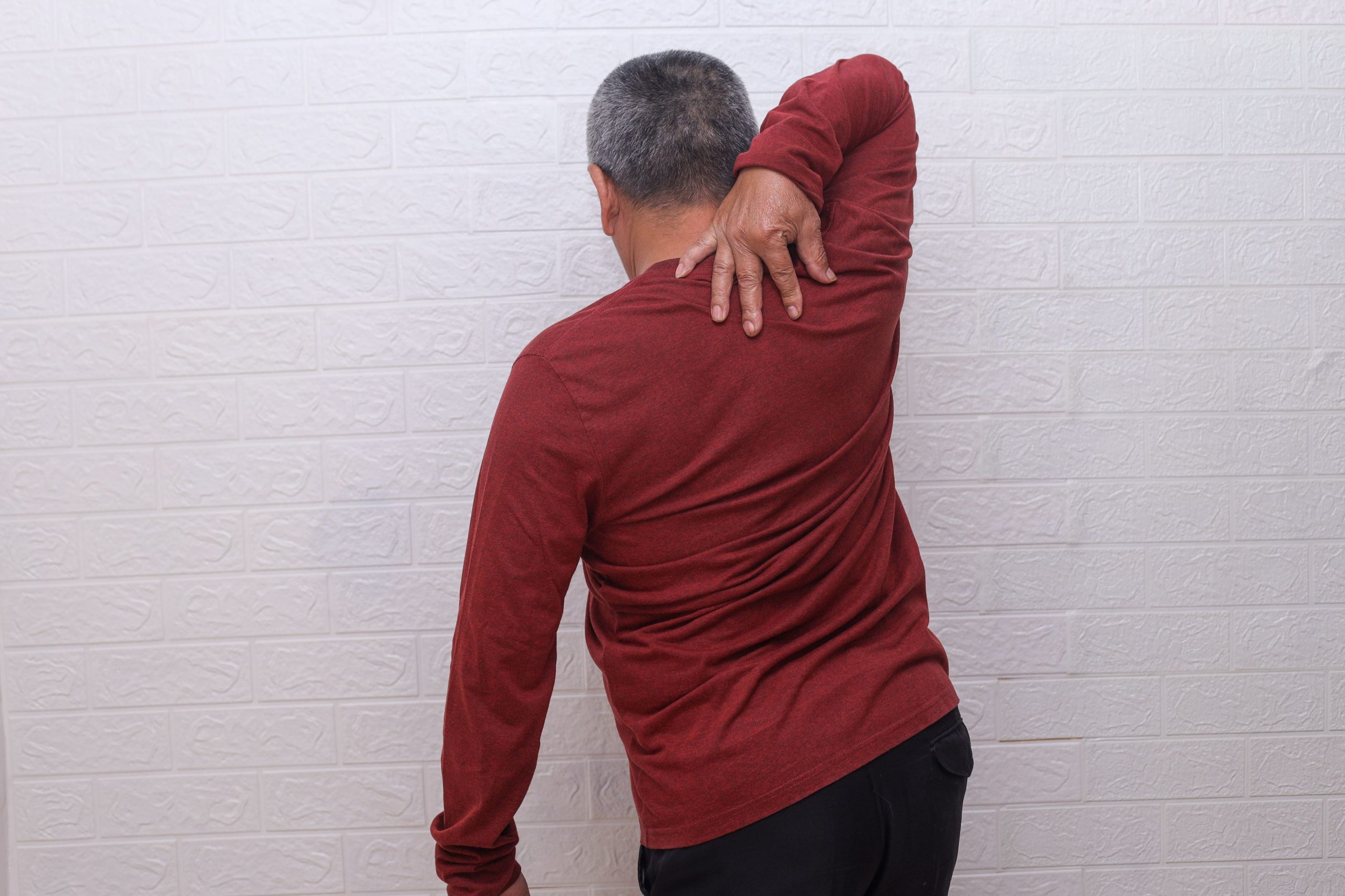
Pain radiating across your shoulder blade or down your arm may actually originate from your neck rather than your shoulder joint. Nerve roots in the cervical spine frequently send referred pain signals into the shoulder, creating symptoms that easily mimic local joint or tendon injuries.
Because conditions such as a rotator cuff tear and a compressed spinal nerve typically require different management approaches, evaluating the underlying source of discomfort is an important step. Understanding these key differences can support a clearer discussion with a medical practitioner during clinical evaluation.
Understanding Referred Pain Patterns
Referred pain occurs when nerve irritation in the cervical spine travels along long pathways to produce symptoms in distant areas like the shoulder, arm, or fingers. Understanding these distinct neurological patterns helps differentiate spinal nerve compression from localised joint issues to guide proper evaluation.
- C5 Nerve Root: Supplies the deltoid and lateral shoulder, often producing pain across the top of the shoulder that can mimic rotator cuff tendinitis.
- C6 Nerve Root: Influences the biceps and lateral forearm, frequently sending symptoms down the outer arm.
- C7 Nerve Root: Affects the triceps and middle finger, creating discomfort that extends further down the limb.
- Localised Shoulder Nerves: True joint conditions, such as impingement, labral tears, or arthritis, typically produce pain confined to the shoulder region that changes with direct joint movement.
Key Symptoms Suggesting Cervical Origin
Certain key characteristics can help indicate whether shoulder-area discomfort actually stems from nerve irritation in the neck. Identifying these specific patterns allows medical practitioners to trace the pain back to its underlying cervical source.
- Radiation Below the Elbow: Pain, numbness, or tingling extending past the elbow and into specific fingers strongly suggests nerve root involvement.
- Movement-Triggered Symptoms: Pain that changes or intensifies when turning the head, looking upward, or tilting towards the affected side points toward a neck-related origin.
- Specific Muscle Weakness: Weakness affecting elbow bending, wrist extension, or grip strength reflects distinct cervical nerve root levels (C5, C6, or C7) rather than isolated shoulder tendon issues.
- Posture and Static Sitting: Discomfort that worsens during prolonged sitting or desk work often stems from neck strain, whereas shoulder conditions typically flare with overhead reaching or heavy lifting.
Symptoms Pointing to True Shoulder Pathology
Discomfort originating directly from the shoulder joint or surrounding soft tissues typically presents with distinct localised characteristics. Recognising these signature patterns helps differentiate true shoulder conditions from referred neck issues to support appropriate medical evaluation.
- Localised Discomfort: Pain remains confined to the front, side, or back of the shoulder without radiating past the elbow into the forearm or hand.
- Painful Arc & Movement Sensitivity: Discomfort occurs specifically when lifting the arm through a middle range (a painful arc) or rotating the arm outward with the elbow held at the side.
- Mechanical Joint Symptoms: Sensations of catching, clicking, grinding, or locking within the joint point toward internal structural issues like labral tears or cartilage damage.
- Position-Dependent Night Pain: Discomfort worsens when lying directly on the affected side or requires propping the arm with pillows for relief, rather than changing neck or head alignment.
The Role of Diagnostic Testing
Clinical examination provides useful context, and imaging studies may help evaluate the suspected source of pain. A cervical spine MRI is designed to evaluate disc herniations, bone spurs compressing nerve roots, and spinal stenosis that are typically not visualised on dedicated shoulder scans. Conversely, a shoulder MRI assesses rotator cuff tears, labral damage, and localised joint arthritis that fall outside the field of view of a cervical scan.
X-rays serve as initial screening tools. Cervical spine films may show degenerative changes, disc space narrowing, or bone spur formation suggesting where nerve compression might occur. Shoulder X-rays reveal arthritis, calcific tendinitis, and bone abnormalities but cannot visualise soft tissue injuries.
Electrodiagnostic studies measure nerve function directly. Nerve conduction studies and electromyography identify which specific nerve roots are affected and quantify the severity of compression. These tests prove particularly valuable when symptoms don’t clearly point to either neck or shoulder origin.
Did You Know?
Cervical disc herniations most commonly occur at C5-C6 and C6-C7 levels, which happen to innervate the shoulder region. This anatomical coincidence explains why neck problems so frequently masquerade as shoulder conditions.
Common Conditions Causing Referred Shoulder Pain
Cervical radiculopathy (nerve root compression from disc herniation or bone spurs) is a frequent cause of neck-to-shoulder referred pain. Disc material pressing on nerve roots creates inflammation and disrupted signal transmission, producing pain, numbness, and weakness in characteristic patterns.
Cervical spondylosis describes age-related degenerative changes affecting discs, joints, and ligaments of the neck. These changes narrow the spaces through which nerve roots exit, potentially causing chronic, intermittent symptoms that fluctuate with activity and posture.
Myofascial trigger points in neck muscles can refer pain to the shoulder region. The upper trapezius, levator scapulae, and scalene muscles commonly harbour these hyperirritable spots that send pain signals to distant areas. Trigger point pain differs from nerve compression in that it lacks numbness, tingling, or true weakness.
Thoracic outlet syndrome involves compression of nerves and blood vessels passing between the neck and arm. This condition produces shoulder and arm symptoms that may include colour changes, swelling, and symptoms worsening with arm elevation (features not seen with simple cervical radiculopathy).
Physical Examination Findings
Orthopaedic specialists use specific tests to localise pain origin. Cervical range of motion assessment reveals stiffness, pain with certain movements, and whether neck positioning reproduces arm symptoms. Limited rotation or extension with increased shoulder pain suggests cervical involvement.
Shoulder examination includes impingement tests, rotator cuff strength assessment, and instability evaluation. Positive findings on these tests, particularly when neck examination appears normal, support shoulder pathology as the pain source. Negative shoulder tests with positive cervical findings point towards the neck.
Neurological examination checks reflexes, sensation, and strength in patterns corresponding to specific nerve roots. Decreased biceps reflex suggests C5-C6 involvement; decreased triceps reflex indicates C7 compression. Sensory testing maps areas of numbness to specific dermatomes, further localising the problem.
Important Note:
Sudden onset of severe neck and shoulder pain accompanied by weakness in both arms, difficulty walking, or bowel and bladder changes requires immediate medical evaluation. These symptoms may indicate spinal cord compression requiring urgent intervention.
Treatment Approaches Differ Based on Source
Because treatment approaches vary significantly depending on the true source of pain, an accurate diagnosis is essential to guide effective recovery. Addressing the correct anatomical structure keeps management targeted and prevents unnecessary delays in care.
- Cervical-Directed Care: Management typically includes physical therapy targeting cervical mobility, posture, and nerve gliding techniques to reduce pressure on compressed nerves. Medical practitioners may also recommend short-term medications to help manage nerve root inflammation.
- Shoulder-Directed Care: Interventions focus on strengthening the rotator cuff and improving joint mechanics, utilising subacromial injections for bursal inflammation or surgical repair when structural tears require direct intervention.
- Targeted Diagnosis: Misidentifying the source risks pursuing ineffective therapies, such as treating a cervical disc herniation with shoulder exercises, making accurate medical evaluation critical from the outset.
Practical Steps for Self-Assessment
Systematically tracking your symptoms and observing movement patterns can provide valuable details to help your doctor determine the underlying cause of your discomfort. Taking a structured approach to self-assessment helps clarify whether your pain stems from cervical nerve irritation or a localised shoulder issue.
- Track Symptom Radiation & Numbness: Note where your pain begins and whether it travels past the elbow, and document any specific fingers that tingle or lose sensation.
- Test Specific Movement Triggers: Observe whether head and neck manoeuvres, such as tilting your head back and toward the painful side, reproduce arm symptoms, or if discomfort occurs strictly during shoulder-isolated movements like reaching overhead or behind your back.
- Evaluate Daily Habits & Strain: Identify routine postures and activities that provoke your symptoms, noting whether prolonged static desk work strains your neck or if repetitive overhead lifting and heavy carrying stress your shoulder joint.
When to Seek Professional Help
Consulting a medical practitioner allows for a thorough evaluation and targeted guidance when persistent pain, progressive weakness, or neurological symptoms do not improve with rest.
- Pain persisting beyond two weeks despite rest and over-the-counter medications
- Numbness or tingling extending into the hand or fingers
- Weakness affecting grip strength, arm lifting, or fine motor tasks
- Night pain regularly disrupting sleep
- Symptoms progressively worsening rather than improving
- Pain following injury to the neck or shoulder
Commonly Asked Questions
Can neck and shoulder problems occur simultaneously?
Concurrent pathology happens frequently, particularly in older adults with degenerative changes affecting multiple structures. Some people have both cervical disc disease and rotator cuff tears, requiring treatment addressing each condition. Diagnostic testing helps identify all contributing factors.
How long does referred pain from the neck typically last?
Duration varies based on the underlying cause and treatment approach. Mild cervical radiculopathy may resolve within several weeks with conservative care. Chronic degenerative conditions may cause intermittent symptoms over longer periods, though proper management may reduce flare frequency and severity.
Will imaging always show the cause of neck-related shoulder pain?
Imaging correlates imperfectly with symptoms. Some people have significant disc herniations on MRI without any pain, whilst others have severe symptoms with minimal imaging findings. Clinical examination remains important for interpreting imaging results in context.
Can poor posture alone cause shoulder pain from the neck?
Sustained poor posture places abnormal stress on cervical structures, potentially causing muscle tension, joint irritation, and nerve root compression. Postural factors commonly contribute to neck-related shoulder pain, particularly in office workers and frequent device users.
Should I see a neck specialist or shoulder specialist first?
An orthopaedic specialist trained in both spine and upper extremity conditions can evaluate both regions. Initial assessment determines which area requires focused investigation and treatment, sometimes revealing that both structures contribute to your symptoms.
Next Steps
Symptoms that extend below the elbow, involve numbness in specific fingers, or change with neck movement point to a cervical source and require cervical-directed imaging and treatment, not shoulder therapy. Conversely, painful arc, mechanical clicking, or isolated external rotation weakness indicates true shoulder pathology. Documenting where your pain travels, which movements trigger it, and any associated numbness or weakness before your consultation can help support more targeted diagnostic testing.
If you are experiencing shoulder or arm pain accompanied by numbness, tingling, or muscle weakness, a consultation with an accredited orthopaedic specialist can evaluate whether your symptoms originate from the cervical spine or the shoulder joint.