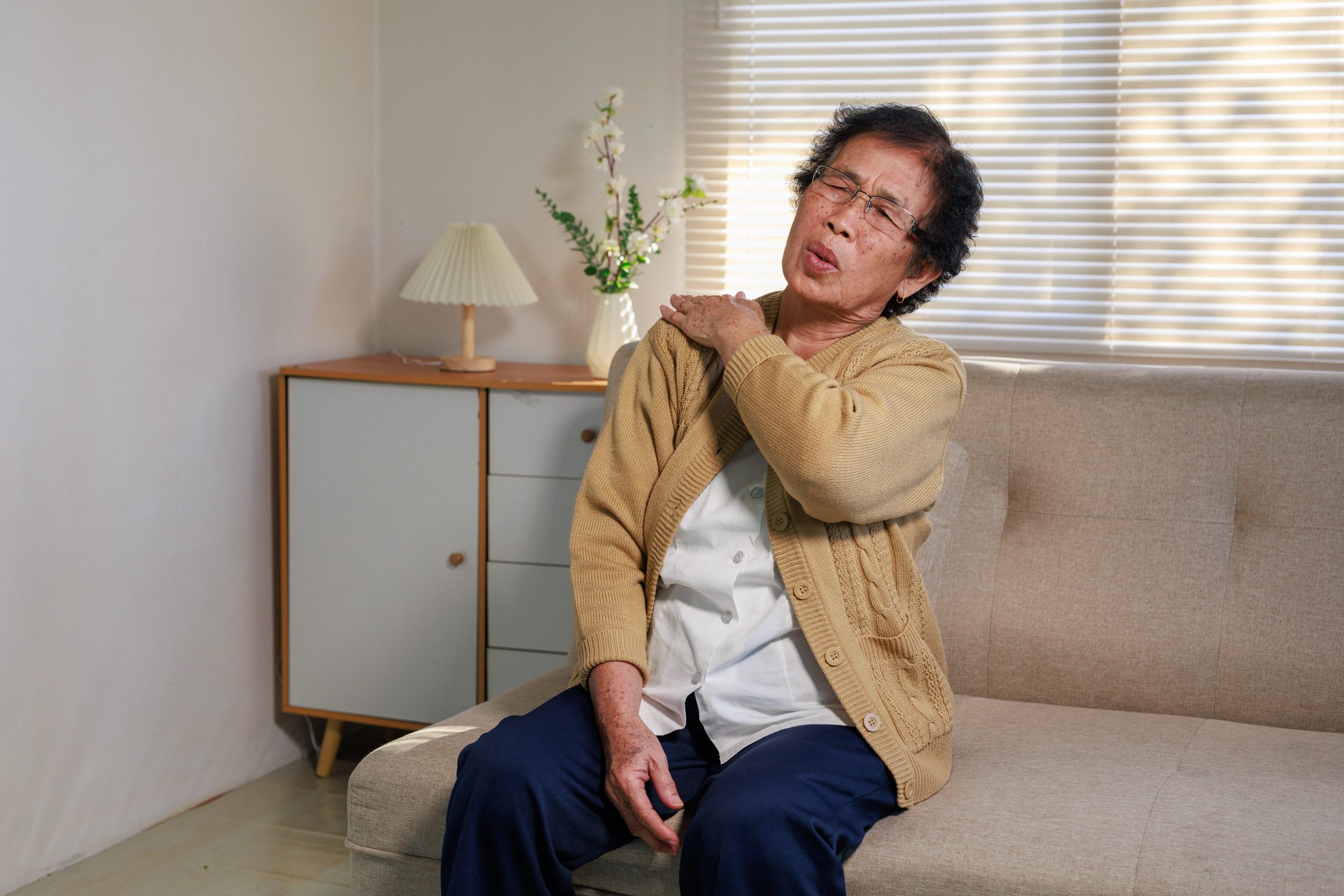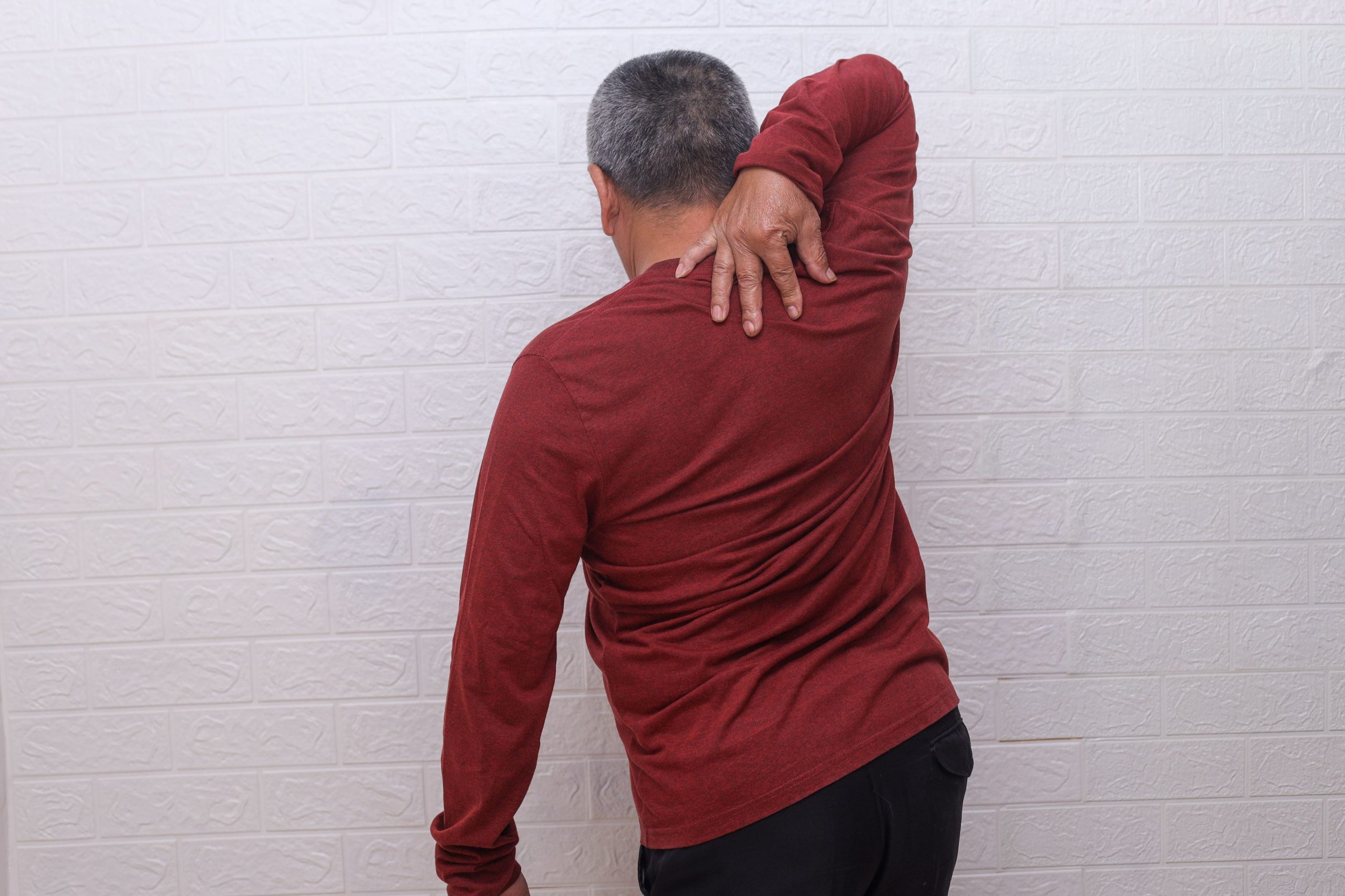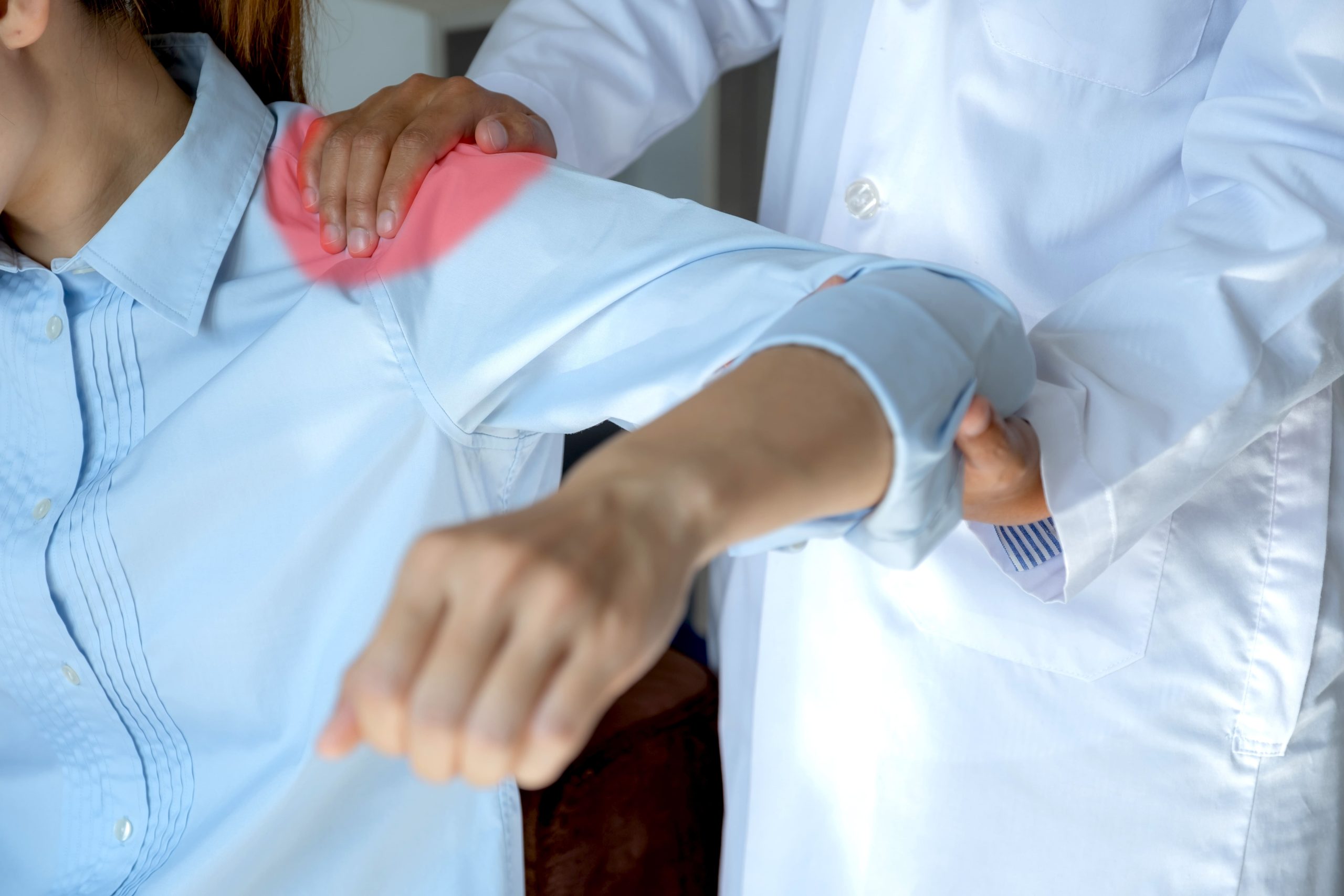
The frozen shoulder stage is characterised by intense inflammation of the synovial membrane and the onset of severe, aching pain that typically worsens at night. During this phase, inflammatory cytokines sensitise the joint’s nerve endings, making even slight movements feel disproportionately painful compared to the physical restriction present. Because pain is the primary limiting factor, management focuses on reducing inflammation through corticosteroid injections and gentle activity rather than aggressive stretching.
The Freezing Stage: Inflammatory Onset
This initial phase is dominated by intense, aching pain and a highly inflamed synovial membrane that sensitises the joint’s nerve endings. While the range of motion begins to decline during this stage, the primary limiting factor for most patients is the severe discomfort rather than a mechanical blockage.
Treatment Focus During Freezing
Management during this inflammatory period prioritises pain relief and inflammation reduction through oral medications and corticosteroid injections. Patients should engage in only gentle, pain-free mobility work like pendulum exercises, as aggressive stretching can be counterproductive and worsen the inflammatory cycle.
The Frozen Stage: Established Stiffness
During the frozen stage, pain does not necessarily disappear but often becomes less dominant — it tends to reduce in intensity, though it may persist at the extremes of movement. The more defining feature of this phase is a profound mechanical stiffness caused by dense fibrotic tissue within the joint capsule.
Treatment Approaches for Established Stiffness
Once the shoulder has reached this stage, structured physiotherapy focuses on sustained stretching to help remodel the thickened joint capsule and restore mobility. Consistent home exercise programs incorporating moist heat application before sessions — to improve tissue extensibility — and tools like pulleys are well-supported adjuncts to making measurable progress against the established capsular restriction, and should be applied based on each patient’s tolerance and stage of recovery..
The Thawing Stage: Gradual Recovery
The thawing stage is the final phase of the condition, where the joint capsule gradually loosens, and range of motion progressively returns. Pain tends to ease for most patients during this stage, though some individuals — particularly those with comorbidities such as diabetes — may experience residual stiffness or discomfort that persists beyond the expected recovery period.
When Conservative Treatment Falls Short
Structured conservative management typically helps improve symptoms for many frozen shoulder patients within an extended timeframe. However, certain situations warrant earlier orthopaedic intervention consideration:
- Intractable pain despite adequate conservative measures — When corticosteroid injections, anti-inflammatory medications, and appropriate activity modification fail to control pain sufficiently for daily function or sleep, additional options merit discussion.
- Functional demands requiring faster recovery — Athletes, manual labourers, and individuals with occupational requirements involving overhead work may not tolerate the natural disease timeline.
- Failure to progress with compliant physiotherapy — Patients demonstrating good exercise compliance over several months without measurable range of motion improvement may benefit from procedural intervention.
- Secondary frozen shoulder with underlying pathology — When frozen shoulder develops following rotator cuff injury, fracture, or surgery, addressing the primary condition alongside capsular contracture may be necessary.
Orthopaedic Intervention Options
When conservative management fails to provide adequate relief, surgical or procedural interventions may be considered to physically address the capsular contracture. These options aim to restore the shoulder’s range of motion by stretching, breaking, or surgically releasing the dense fibrotic tissue within the joint.
Manipulation Under Anaesthesia
In the Manipulation Under Anaesthesia (MUA) procedure, a surgeon moves the arm through its full range of motion while the patient is under general anaesthesia to systematically break through restrictive adhesions. While MUA can significantly improve mobility, it carries inherent risks such as humeral fractures or rotator cuff tears due to the forceful nature of the manipulation. It is often performed after arthroscopic capsular release to minimise the above risks.
Post-procedure pain management varies by centre and may include intra-articular injection of corticosteroid and local anaesthetic, with nerve blocks used selectively rather than routinely. Patients must begin structured, progressive physiotherapy promptly after the procedure — guided by pain tolerance — to preserve the range of motion achieved and prevent re-adhesion.
Arthroscopic Capsular Release
Arthroscopic capsular release is a minimally invasive surgery where a surgeon uses a camera and specialised tools to precisely cut and release the thickened portions of the joint capsule. This targeted approach allows for the direct removal of pathological tissue, such as the rotator interval and inferior capsule, while minimising damage to healthy surrounding structures. Following the operation, early and consistent motion is vital to prevent the recurrence of adhesions and to ensure a functional recovery.
Factors Influencing Intervention Timing
The decision to escalate to orthopaedic intervention depends on a combination of clinical staging, patient health, and the specific functional demands of the individual’s lifestyle.
- Clinical Stage: Interventions are tailored to the current phase, such as corticosteroid injections for the inflammatory freezing stage, hydrodilatation as an adjunct during the early frozen stage to address capsular fibrosis, or surgery for established fibrosis that has failed to respond to conservative measures.
- Pain Levels: Intractable pain that prevents sleep or fails to respond to oral medications may trigger earlier intervention.
- Systemic Health: Conditions like poorly controlled diabetes or thyroid dysfunction can increase risks and prolong the recovery timeline.
- Occupational Needs: High functional demands for athletes or manual labourers often justify a more aggressive treatment approach.
- Conservative Progress: A lack of measurable improvement after several months of compliant physiotherapy suggests a need for procedural help.
Post-Intervention Rehabilitation
Regardless of which intervention occurs, post-procedure rehabilitation plays an important role in outcomes. The window following any procedure, when the capsule has been stretched or released, requires immediate, consistent mobility work to prevent re-adhesion.
Typical protocols include:
- Early passive and active-assisted range of motion exercises, which may in some cases be supported by continuous passive motion (CPM) devices, depending on the treating clinician’s protocol and the patient’s specific procedure and tolerance.
- Multiple short physiotherapy sessions daily — typically 3 to 4 sessions of 10 to 15 minutes each — guided by pain tolerance and the clinician’s post-procedure protocol.
- Graduated active-assisted exercises progressing to active range of motion
- Strengthening exercises once adequate mobility is restored
- Home programme compliance with exercises performed several times daily
Pain management during this intensive rehabilitation phase requires attention. Regional nerve blocks, oral analgesics (pain medications), and ice application help maintain exercise tolerance. The discomfort of aggressive early mobilisation, while temporary, can be substantial.
When to Seek Professional Help
- Shoulder pain persisting beyond two weeks without clear cause
- Progressive difficulty raising your arm overhead
- Night pain disrupting sleep for more than several nights
- Inability to reach behind your back for dressing
- Shoulder stiffness following injury, surgery, or prolonged immobilisation
- Limited range of motion not improving with home stretching over several weeks
- Symptoms affecting work performance or daily activities
Commonly Asked Questions
How do I know which stage of frozen shoulder I’m experiencing?
The freezing stage features prominent pain with gradually declining motion. Pain often seems worse than stiffness. The frozen stage shows established, consistent restriction with less pain. The thawing stage demonstrates slowly improving range of motion. Your orthopaedic specialist (a doctor who specialises in bone and joint conditions) can confirm staging through examination and history.
Will my shoulder return completely to normal after treatment?
Most patients regain functional range of motion sufficient for daily activities, approximately achieving near-normal or normal shoulder function with proper treatment. However, a meaningful proportion may retain some degree of stiffness, mild pain, or restriction beyond the expected recovery window. Individuals with comorbidities such as diabetes or thyroid dysfunction are at higher risk of incomplete recovery and should have this discussed with their treating clinician.
Can frozen shoulder come back after successful treatment?
No specific intervention has been proven to reliably prevent frozen shoulder from developing in the opposite shoulder. However, optimising management of underlying conditions — particularly diabetes and thyroid dysfunction — is associated with a better overall disease course and may reduce the risk of recurrence or contralateral involvement.
How long after intervention before I can return to normal activities?
Light daily activities typically resume within days to weeks. Return to sports or heavy manual work depends on achieving adequate strength and range of motion, which usually requires several months. Your rehabilitation timeline will be individualised based on procedure type, recovery progress, and activity demands.
Is surgery always necessary if conservative treatment isn’t working?
Manipulation Under Anaesthesia (MUA) involves moving the shoulder under anaesthesia to break up adhesions, and does not itself require surgical incisions. However, MUA is frequently combined with arthroscopic capsular release in the same operative session, in which case small incisions are made. Your surgeon will advise whether MUA alone or in combination with arthroscopic release is most appropriate for your case.
Next Steps
Treatment stage determines which interventions are appropriate: corticosteroid injections and guided physiotherapy for early-stage disease; hydrodilatation or arthroscopic capsular release for established contracture that has not responded to conservative measures. Diabetic patients and those with prolonged symptom duration before treatment initiation are associated with less complete recovery and may warrant earlier specialist referral.
If you are experiencing persistent shoulder stiffness, night pain disrupting sleep, or progressive difficulty with overhead reaching or dressing, consult a qualified orthopaedic surgeon to assess your stage of frozen shoulder and determine the appropriate treatment.