Arthroscopic rotator cuff repair is a minimally invasive procedure that uses small incisions and a camera to reattach torn shoulder tendons to bone. This approach preserves surrounding tissue, typically takes one to two hours, and most patients return home the same day.
The rotator cuff is a group of four muscles and tendons that stabilise the shoulder and enable movement. Tears may occur from injury or degeneration, most commonly affecting the supraspinatus, and surgery may be recommended when symptoms persist despite conservative treatment.
How Rotator Cuff Tears Are Assessed Before Surgery
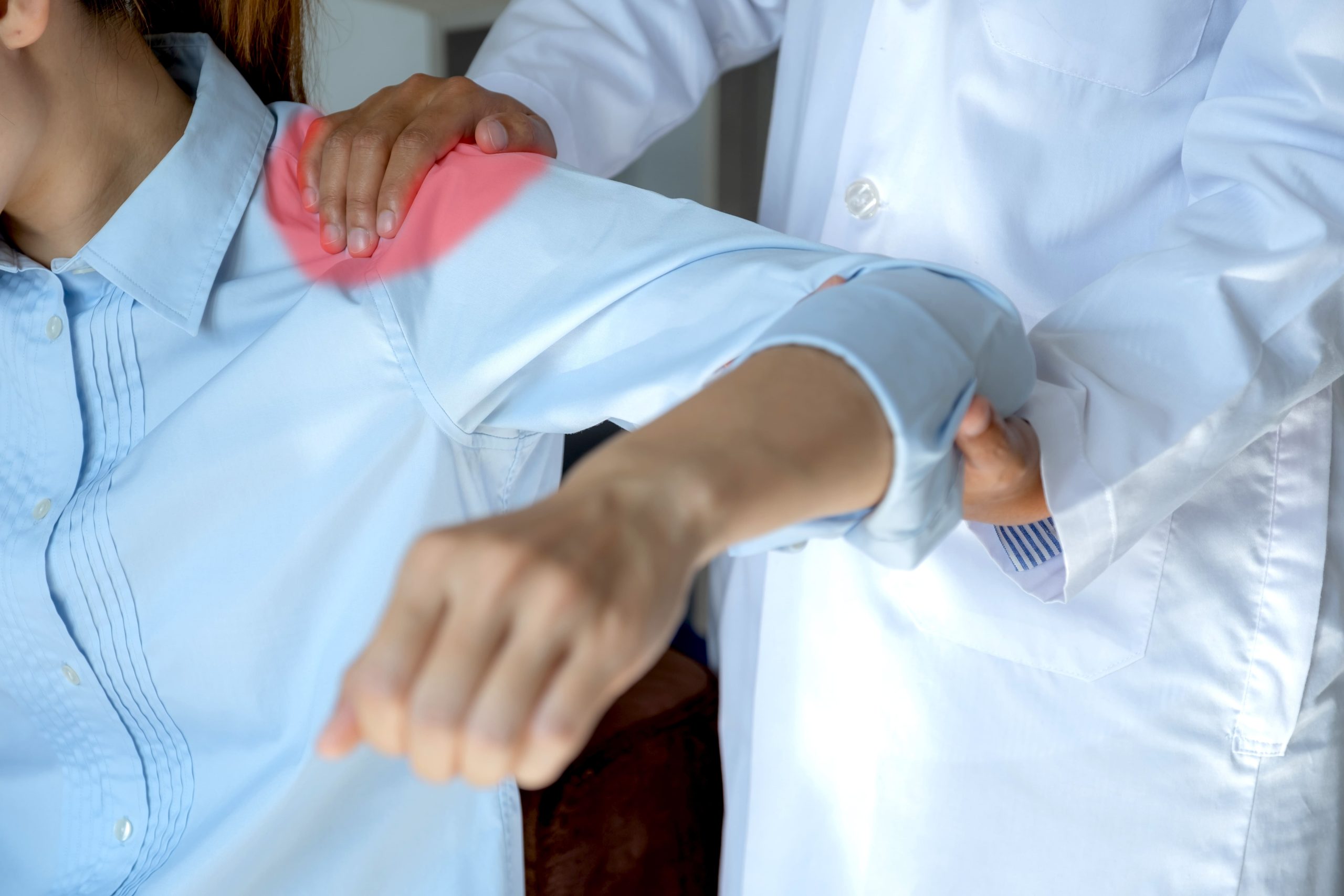
Your orthopaedic specialist evaluates tear characteristics through physical examination and imaging studies (such as MRI scans). This determines the surgical approach. Range of motion testing identifies specific movement limitations. Inability to raise the arm above shoulder height often indicates supraspinatus involvement. Weakness in external rotation suggests infraspinatus damage.
MRI (a type of imaging that uses magnets to create detailed pictures of the inside of your shoulder) provides detailed visualisation of:
- Tear size
- Location
- Tendon quality
Tears are classified by depth (partial or full-thickness) and by size:
- Small tears measure under 1cm
- Medium tears span 1-3cm
- Large tears extend 3-5cm
- Massive tears exceed 5cm or involve multiple tendons
Tendon retraction—how far the torn edge has pulled away from its attachment—affects repair complexity and healing potential.
Muscle quality assessment reveals fatty infiltration. This occurs when muscle tissue gradually converts to fat after prolonged tearing. This change, visible on MRI, influences expected outcomes. Muscles with significant fatty replacement have reduced capacity to regain strength post-repair.
The Arthroscopic Repair Procedure
Arthroscopic rotator cuff repair is performed under general anaesthesia, often combined with a nerve block to provide extended pain relief after surgery. The surgeon positions you to optimise access to the shoulder and uses small incisions to guide the procedure.
- Joint assessment: An arthroscope provides a magnified view, allowing evaluation of the rotator cuff and related structures, with treatment of any additional findings.
- Tissue preparation: Damaged tendon tissue is cleared, and the bone surface is prepared to promote healing.
- Anchor placement: Small anchors are inserted into the bone at the tendon’s original attachment site.
- Tendon repair: Sutures secure the tendon to bone using techniques that optimise contact and support healing.
What Happens Immediately After Surgery
You’ll wake in the recovery area with your arm immobilised in a sling with an abduction pillow. This holds your arm slightly away from your body to reduce tension on the repair. The nerve block typically keeps your shoulder and arm numb for the first day. After that, oral pain medications are used to manage discomfort.
Before discharge, nursing staff review:
- Medication schedules
- Wound care instructions
- Warning signs requiring immediate attention
You’ll receive a compression dressing over the small incision sites. This stays in place for a few days. Waterproof dressings applied at your first follow-up allow showering whilst incisions heal.
Regularly applied ice therapy during waking hours reduces swelling and provides pain relief. Sleeping semi-reclined in a recliner or propped with pillows often proves more comfortable than lying flat during the first few weeks.
Recovery Timeline and Milestones
Weeks 1-6: Protection Phase
Sling use during this phase typically lasts 4 to 6 weeks, though the duration varies based on tear size and your surgeon’s protocol. The sling remains on except during prescribed exercises and hygiene.
During these exercises, a physiotherapist (a healthcare professional who helps you regain movement and strength) or family member moves your arm whilst your muscles stay relaxed. These movements prevent stiffness without stressing the repair. Pendulum exercises complement passive motion work. You lean forward and let gravity gently swing your arm.
Weeks 6-12: Early Motion Phase
Active-assisted exercises begin. This means you help move your arm using your other hand, a cane, or pulleys. The repair has developed early healing connections but cannot yet withstand the forces of muscle contraction. Your physiotherapist progresses movements based on tissue healing timelines and your specific repair type.
Weeks 12-16: Strengthening Initiation
Light resistance exercises commence once the repair demonstrates adequate healing. Isometric exercises—where muscles contract without moving the joint—transition to isotonic movements with light resistance bands. Rotator cuff-specific strengthening targets the repaired muscles. Supporting muscles of the shoulder blade also receive attention.
Months 4-6: Progressive Strengthening
Resistance increases gradually with close monitoring of pain and function. Sport-specific or occupation-specific rehabilitation begins for those returning to demanding activities. Full recovery for manual labour or overhead sports typically requires several months.
Factors Affecting Your Recovery
Tear characteristics significantly influence the pace of rehabilitation and ultimate outcomes. Response times vary depending on your specific condition—smaller tears with minimal retraction and good tissue quality heal more predictably than larger tears with significant tendon degeneration. Your surgeon adjusts rehabilitation timelines based on findings during the operation. These include tissue quality and repair security.
Age affects healing biology; tissue regeneration capacity decreases with age. However, chronological age alone doesn’t determine outcomes. Overall health influences tissue healing at the cellular level. This includes diabetes control, smoking status, and nutritional factors. Smoking has been associated with poorer rotator cuff outcomes in some studies, and patients are generally advised to cease smoking before and after surgery to optimise healing potential.
Compliance with rehabilitation protocols directly impacts results. Protecting the repair during early phases whilst progressively loading tissues during strengthening phases requires balancing patience with persistence. Returning to heavy activities too early risks re-tearing the repair before biological healing completes.
Managing Pain Throughout Recovery
Pain patterns evolve during recovery. The first week is typically the most uncomfortable. The nerve block manages this initially, then scheduled oral medications take over. Taking pain medication before it becomes severe provides better control than waiting until pain escalates.
Night pain often persists longer than daytime discomfort. This occurs partly due to challenges with sleeping position and partly due to inflammatory processes that peak during rest. The abduction sling helps maintain comfortable positioning. Many patients find sleeping in a recliner easier during the first few weeks.
Within several weeks, most patients transition from scheduled pain medication to as-needed use. Physiotherapy sessions may temporarily increase discomfort as movements progress. This typically settles within hours. Persistent or worsening pain warrants discussion with your surgical team.
Potential Complications and How They’re Addressed
Stiffness occurs when scar tissue limits motion. Early passive range of motion exercises minimise this risk. Some patients develop adhesive capsulitis (frozen shoulder, a condition where the shoulder becomes very stiff and painful). This may require extended physiotherapy or occasionally manipulation under anaesthesia (a procedure where the surgeon moves your shoulder while you’re asleep to break up scar tissue).
Re-tear happens when the tendon fails to heal to bone or pulls away after healing. Symptoms include:
- Sudden pain
- Weakness
- Loss of function gains
Small re-tears may respond to modified rehabilitation. Significant re-tears may require revision surgery depending on tissue quality and functional demands.
Infection remains rare with arthroscopic surgery due to small incisions and minimal tissue disruption. Signs include:
- Increasing redness
- Warmth
- Drainage
- Fever developing several days post-surgery
Prompt antibiotic treatment addresses most superficial infections. Deep infections occasionally require the surgeon to clean out the shoulder joint.
Nerve injury temporarily affects some patients, causing numbness or tingling around the shoulder. Most cases resolve spontaneously over weeks to months as nerves recover from positioning or traction during surgery.
Preparing for Your Surgery Day
One to Two Weeks Before
- Complete pre-operative blood tests and medical clearance appointments
- Arrange for someone to drive you home and assist for the first few days
- Set up a recovery area with frequently needed items within reach
- Practise putting on button-front shirts and slip-on shoes using one arm
- Fill prescriptions for post-operative medications
The Night Before
- Follow fasting instructions, typically no food or drink after midnight
- Shower with antibacterial soap, paying attention to the surgical shoulder
- Remove nail polish and jewellery
- Pack loose, comfortable clothing for discharge
Surgery Day
- Arrive at the scheduled time with identification documents
- Wear comfortable clothing that opens in front
- Leave valuables at home
- Expect to spend several hours at the surgical facility, including preparation and recovery time
When to Seek Professional Help
- Fever above 38°C developing after the first couple of days
- Increasing redness, warmth, or drainage from incision sites
- Numbness or tingling that worsens rather than improves
- Calf pain or swelling suggesting a possible blood clot
- Sudden increase in shoulder pain after initial improvement
- Inability to move fingers or persistent hand coldness
- Pain uncontrolled by prescribed medications
Commonly Asked Questions
How long will I wear the sling after arthroscopic rotator cuff repair?
Sling use typically continues for several weeks. Duration varies based on tear size and repair complexity. Large or massive tears may require sling protection for a longer period. Your surgeon specifies the duration based on findings during the operation. They provide guidance on when to begin sling weaning.
When can I drive after surgery?
Driving requires reliable arm control for steering and emergency responses. Most patients resume driving several weeks post-surgery. They must discontinue narcotic pain medications first. Their surgeon must also confirm adequate shoulder function. Operating a vehicle whilst wearing a sling or taking opioid medications isn’t safe or legal.
Will I regain full strength after rotator cuff repair?
Most patients can achieve significant strength improvement. Outcomes depend on tear characteristics, tissue quality, and rehabilitation effort. Many patients return to their previous activity levels, including recreational sports. Some residual strength difference compared to the uninjured shoulder may persist, particularly with larger tears.
What activities should I permanently avoid after surgery?
Most patients return to full activities without permanent restrictions. However, your surgeon may recommend activity modification based on tear size, tissue quality, and re-tear risk. Heavy overhead lifting or high-impact shoulder activities warrant discussion regarding long-term joint health and repair durability.
How do I know if my repair has re-torn?
Re-tear symptoms include sudden onset of pain (sometimes with a popping sensation), return of weakness patterns similar to pre-surgery, and loss of motion gains achieved during rehabilitation. However, some re-tears cause minimal symptoms if the surrounding muscles compensate adequately. Your surgeon monitors healing through clinical examination. They may order imaging if concerns arise.
Next Steps
Sling compliance and passive range-of-motion exercises during the first six weeks help protect the repair during its most vulnerable healing phase.
Rehabilitation outcomes depend directly on tear characteristics, tissue quality, and adherence to progressive loading protocols, factors your surgeon and physiotherapist will monitor throughout recovery. Returning to heavy or overhead activities before biological healing completes significantly increases re-tear risk.
If you are experiencing persistent shoulder pain, weakness with overhead activities, or difficulty sleeping on your affected side, consult a qualified orthopaedic specialist who can evaluate your rotator cuff and determine whether arthroscopic repair is appropriate for your situation.