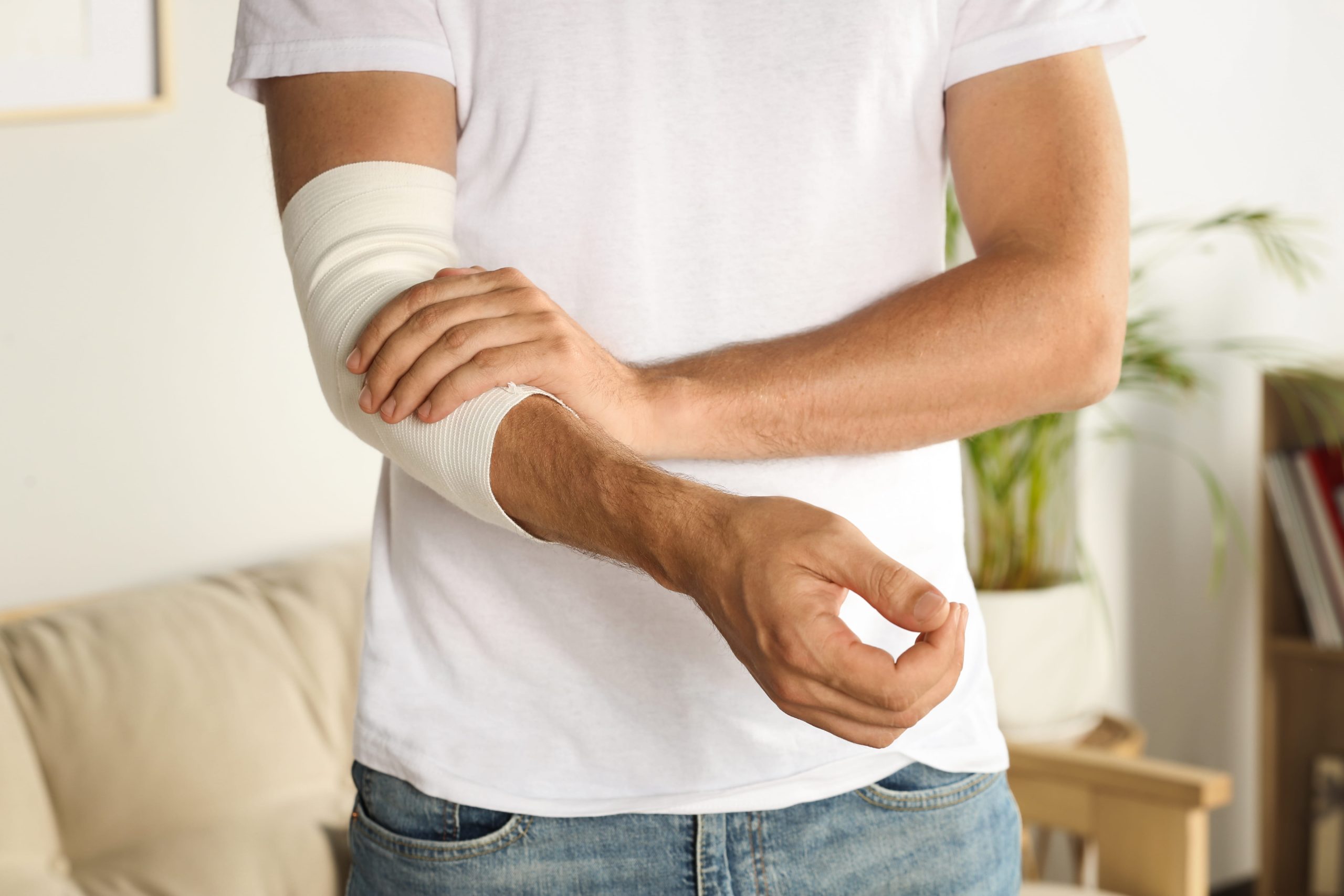
Tennis elbow recovery typically spans six months to two years, depending on injury severity, daily activity adjustments, and individual management plans. Because forearm tendons undergo gradual structural degeneration rather than brief inflammation, tissue remodelling and repair require time.
While many individuals observe initial symptom improvement within three months of structured care, factors like age, occupation, and repetitive gripping demands can influence overall recovery. Consulting an orthopaedic specialist supports a detailed evaluation of tendon health to establish appropriate load management and recovery expectations.
Typical Healing Timelines
The recovery timeline for tennis elbow varies significantly based on the degree of tendon involvement and how long symptoms have been present. Recognising these distinct stages helps establish realistic expectations for functional recovery and targeted care.
- Mild Tennis Elbow (6 to 12 Weeks): Characterised by pain occurring only during specific, high-load activities; responds relatively quickly to basic activity modification and resting the tendon from aggravating movements.
- Moderate Cases (3 to 6 Months): Involves discomfort during routine daily tasks like lifting cups or turning doorknobs; typically requires structured physical therapy, bracing, and gradual activity progression.
- Severe or Chronic Tennis Elbow (12 to 24 Months): Present for over six months with persistent pain or weakness; follows an extended recovery trajectory that may involve specialised medical interventions or surgical evaluation if conservative measures fail.
Factors That Influence Recovery Duration
Several individual and clinical factors can significantly influence how quickly the forearm tendon heals and adapts during recovery.
Tissue Damage Extent
Ultrasound and MRI findings correlate with healing time. Small areas of tendon thickening respond faster than cases showing partial tears, calcification, or extensive degenerative changes throughout the tendon. However, imaging severity doesn’t always match symptom intensity, as some people with significant structural damage report minimal pain, while others with minor changes experience substantial discomfort.
Occupation and Activity Demands
Individuals whose work requires repetitive gripping, lifting, or wrist movements face longer recovery periods unless they can modify duties. A desk worker who can adjust their workstation often heals faster than a carpenter who must continue manual labour. Athletes returning to throwing or racquet sports typically need the longest rehabilitation timeline to rebuild tissue tolerance for high-load activities.
Treatment Timing
Early intervention produces better outcomes. Tennis elbow addressed within the first 6 weeks responds more quickly than cases present for several months. Delayed treatment allows further tendon deterioration and may establish pain sensitisation patterns that persist beyond tissue healing.
Adherence to Rehabilitation
Physiotherapy exercises work through progressive loading that stimulates tendon remodelling. Inconsistent exercise performance or premature return to aggravating activities extends recovery significantly. The tendon requires consistent mechanical stimulus, typically daily exercises for a minimum of 12 weeks, to adapt and strengthen.
Treatment Approaches and Impact on Healing Time
The duration of tennis elbow recovery is heavily influenced by the chosen management strategy, ranging from conservative physical therapy to advanced clinical interventions.
Conservative Management
Activity adjustments combined with physiotherapy support recovery in many tennis elbow cases. Progressive resistance exercises (such as slow eccentric wrist movements) encourage tendon remodelling. A structured program commonly involves daily exercises over 12 weeks, advancing as comfort permits. Counterforce braces worn below the elbow may reduce load during active tasks and help manage symptoms temporarily.
Adjunctive Treatments
Corticosteroid injections may offer short-term symptom relief; however, clinical studies indicate potential risks of symptom recurrence or variable long-term tissue outcomes compared to exercise-based care alone. Autologous blood-derived therapies aim to support tissue response by delivering concentrated growth factors, though clinical evidence on recovery acceleration remains mixed. Extracorporeal Shockwave Therapy (ESWT) uses acoustic pulses to stimulate localised circulation, with improvements often evaluated over 4 to 6 weeks following sessions.
Surgical Considerations
Surgical intervention may be discussed when chronic symptoms persist despite 6 to 12 months of structured conservative care. Procedures generally involve removing degenerated tendon tissue and reattaching healthy structures. Post-surgical rehabilitation typically requires 4 to 6 months before returning to full exertion.
Recognising Healing Progress
Pain patterns shift as tennis elbow heals. Initially, pain occurs during and after aggravating activities. As healing progresses, pain appears only during activities, then only with higher-load activities, and finally disappears entirely. Strength gradually returns, and grip strength testing provides objective measurement of progress.
Setbacks don’t indicate treatment failure. Temporary pain increases after activity progression or occasional overuse represent normal healing fluctuations. Persistent worsening over several weeks, however, warrants reassessment.
Did You Know?
Tennis elbow involves tendon degeneration rather than inflammation, which explains why anti-inflammatory medications provide only temporary relief without accelerating healing. The tendon undergoes structural changes requiring new collagen formation, a process that takes months regardless of pain management.
Why Some Cases Take Longer
Several clinical factors may contribute to extended recovery trajectories:
- Bilateral Involvement: Discomfort affecting both elbows simultaneously may point to unavoidable occupational strain or individual metabolic factors.
- Prior Unsuccessful Treatments: Symptoms that persist despite earlier care may indicate more advanced tendon degeneration or unaddressed structural mechanics.
- Referred Cervical Discomfort: Nerve irritation originating from the cervical spine (neck) can refer pain down the arm, mimicking or exacerbating outer elbow symptoms.
- Prolonged Symptom Duration: Long-standing cases can involve heightened nervous system sensitivity, requiring gradual, paced activity reintroduction.
Activity Modifications During Recovery
Reducing tendon load doesn’t mean complete rest. Prolonged immobilisation weakens tendons and delays healing. Instead, modify activities to stay below the pain threshold while maintaining general fitness.
- Grip technique adjustments: Use larger handles on tools and utensils to reduce grip force. Carry bags with a neutral wrist rather than extended.
- Workstation setup: Position keyboards and mice to minimise wrist extension. Use voice-to-text software when possible.
- Exercise modifications: Substitute exercises requiring wrist extension or gripping with alternatives. Maintain cardiovascular fitness through activities like walking or cycling that don’t stress the elbow.
- Gradual return to sport: Racquet sport players benefit from technique assessment, lighter racquets, larger grip sizes, and reduced string tension when returning to play.
When to Seek Professional Help
Consulting a medical practitioner allows for a thorough evaluation and targeted guidance when persistent elbow pain, progressive weakness, or functional limitation affects your daily tasks.
- Pain persisting beyond 2 weeks despite activity modification
- Weakness affecting daily tasks
- Night pain disturbing sleep
- Numbness or tingling in the forearm or hand
- No improvement after 6 weeks of self-directed exercises
- Symptoms worsening despite treatment
Commonly Asked Questions
Can tennis elbow heal on its own without treatment?
Many mild cases resolve with activity modification alone over 6 to 12 months. However, structured physiotherapy may support recovery and reduce recurrence risk. Without addressing contributing factors, symptoms may persist or return.
Is it safe to exercise with tennis elbow?
Exercise is important for tendon healing, and the key is appropriate loading. Pain-free activities and specific rehabilitation exercises should continue. Avoid exercises that reproduce sharp pain or cause symptoms lasting beyond the following day.
Why does my tennis elbow keep coming back?
Recurrence usually indicates incomplete tissue remodelling, premature return to aggravating activities, or unaddressed biomechanical factors. Full recovery requires tissue adaptation to previous activity demands, which takes longer than pain resolution.
Should I wear a brace all the time?
Braces help during aggravating activities but shouldn’t replace rehabilitation exercises. Continuous brace use may create dependency without addressing underlying tendon weakness. Wear it during symptomatic activities, and remove it during rest and rehabilitation.
How do I know when I’m fully healed?
Complete healing means performing all previous activities without pain, full grip strength compared to the unaffected side, and no morning stiffness. Achieving this milestone often takes several months beyond initial pain resolution.
Next Steps
Timely evaluation and consistent, structured rehabilitation play an important role in supporting tendon recovery. While many cases resolve without surgery, persistent symptoms lasting beyond 6 months, particularly those involving grip weakness or daily functional limitations, warrant formal assessment to evaluate for structural tendon changes.
If you are experiencing outer elbow pain with gripping, persistent weakness, or symptoms that have not improved after 6 weeks of self-management, an accredited orthopaedic specialist can assess the extent of tendon damage and recommend an appropriate treatment plan.